

HALIFAX — The recent cuts to the arts sector by the Nova Scotia provincial government have sparked outrage among cultural advocates, with Lily Falk, a coordinator of the Perform! program, describing the budget reductions as "cruel" and "misguided." Falk's comments come in the wake of the provincial budget announcement made by the Progressive Conservative government led by Premier Tim Houston, which slashes approximately $130 million from over 280 government grants.
Falk's Perform! program, which has been integral in bringing arts education to schools throughout Nova Scotia, employs around 40 artists who provide creative experiences to roughly 14,000 students annually. The program has received a consistent annual funding of $65,000, which has now been eliminated as part of the budget cuts. This decision raises concerns about the future of arts education for students who benefit significantly from such programs.
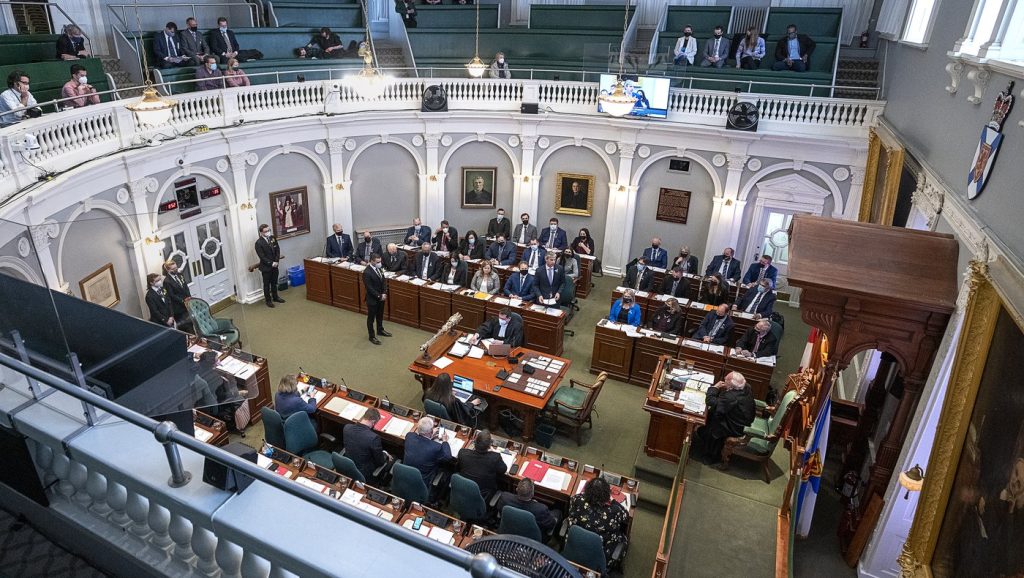
In the provincial legislature, Culture Minister Dave Ritcey acknowledged that the cuts represented a difficult choice, asserting that the government continues to support the arts, despite the significant reductions in funding. The eradication of the Perform! program, in particular, raises alarm about the implications for the students who rely on artistic initiatives for their educational development.
The controversy surrounding these budget cuts has ignited debates about the value of arts education and its role in fostering creativity and critical thinking among young learners. Advocates like Falk argue that such programs are not only beneficial but essential for a well-rounded education, highlighting the potential long-term damage to students' artistic and personal growth caused by these funding losses.
The Perform! program's elimination, alongside similar cuts across the arts sector, signals a shifting landscape for cultural initiatives in Nova Scotia. As the government navigates its budgetary constraints, the call for prioritizing the arts, which have shown to contribute positively to both individual and community well-being, becomes ever more pressing.
The implications of these cuts extend beyond immediate job losses for artists and coordinators; they also threaten the overall cultural fabric of the province. As more arts programs grapple with uncertainty, the future of creative education for the younger generation remains in jeopardy.
This situation encapsulates a larger narrative about the ongoing struggle between fiscal responsibility and the nurturing of cultural expression. As stakeholders in the arts community rally for a reconsideration of the funding cuts, the dialogue surrounding the importance of the arts in education is likely to intensify in the coming months.








