

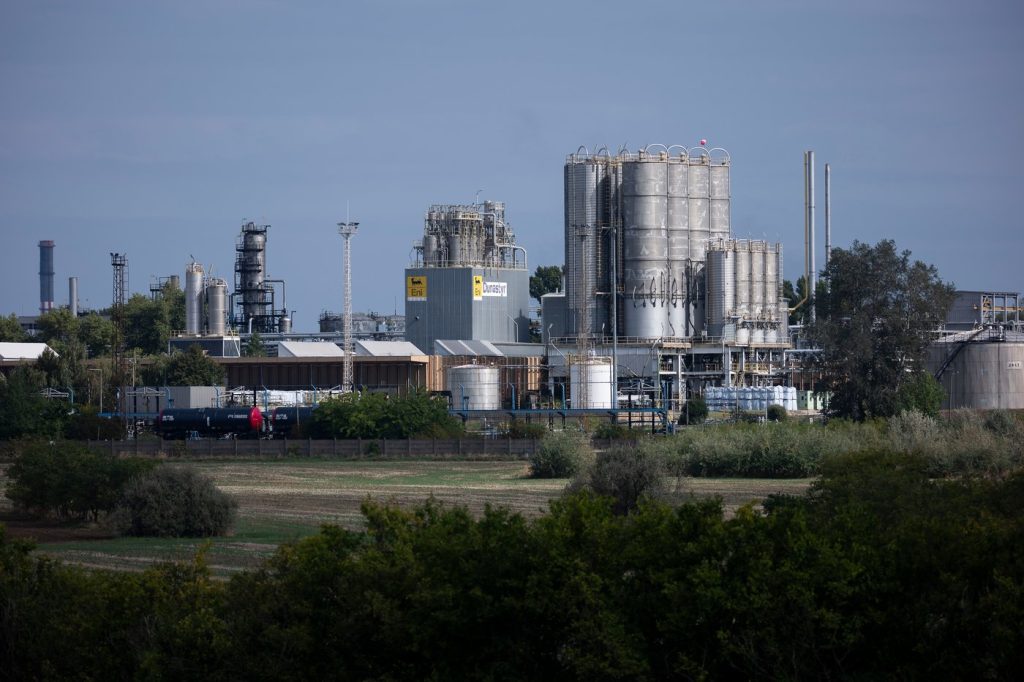
BUDAPEST, Hungary (AP) – Hungary and Slovakia have solidified plans to construct a pipeline aimed at transporting oil products such as gasoline and diesel, highlighting a significant move towards bolstering fuel supply stability in the region. Slovakia's Energy Ministry announced the plan on Tuesday, marking a cooperative step intended to enhance energy security amid ongoing geopolitical tensions.
The pipeline, extending 127 kilometers (79 miles), will connect Hungary’s Százhalombatta refinery with Slovakia’s Bratislava refinery. The capacity of the pipeline is set to be 1.5 million tons of gasoline and diesel annually, according to details shared by the ministry. Construction of this crucial link, both owned by Hungary’s Mol Group, is expected to be completed by the first half of 2027. Hungarian Foreign Minister Péter Szijjártó confirmed this timeline on Monday from Brussels, where the agreement was officially signed.
Szijjártó emphasized the strategic importance of the fuel link, stating that it would enhance Hungary’s energy and diesel supply while also providing a buffer against global conflicts impacting energy flows. The agreement comes at a critical time as both Hungary and Slovakia remain among the few European Union nations that still import Russian oil. The two countries find themselves in a contentious dispute with Ukraine regarding their access to oil supplies that transit through Ukrainian territory.
Since late January, Russian oil shipments via the Druzhba pipeline have faced interruptions. Ukrainian authorities have attributed the disruptions to a Russian drone strike that damaged the pipeline infrastructure, posing risks to repair operations. Even with potential restoration of the pipeline, Ukrainian officials caution that it may remain susceptible to future Russian attacks.
In reaction to the supply challenges, the governments of Hungary and Slovakia have accused Ukraine of intentionally delaying the resumption of Russian crude deliveries, stating their determination to implement stringent countermeasures against Kyiv until normal oil flows are reinstated. Notably, Hungary's government has previously blocked a substantial 90-billion euro ($104 billion) European Union loan intended for Ukraine as a direct consequence of the ongoing interruptions in oil supplies.
The Slovak Energy Ministry, in its announcement, underscored that these interruptions have highlighted the fragility of domestic energy infrastructure and the pressing need to diversify both sources and transportation routes. The ministry elaborated that the new pipeline will not only enhance supply flexibility but also facilitate more efficient transfers of fuel between the two countries' refineries.
As geopolitical dynamics continue to evolve, this collaborative venture reflects Hungary and Slovakia's proactive strategies to secure and diversify their energy resources amid rising tensions in their surrounding regions.








