

ISLAMABAD (AP) – On Friday, President Donald Trump expressed his dissatisfaction with Iran's latest proposal aimed at resolving ongoing tensions between the two nations. Speaking to reporters at the White House, Trump stated, "They want to make a deal, I’m not satisfied with it, so we’ll see what happens." However, he did not provide specific details regarding the shortcomings he perceives in the proposal.
Following the cancellation of his envoys' trip to Pakistan last week, Trump mentioned that negotiations have continued via phone calls. He voiced his frustration regarding Iran’s leadership, labeling it as "fractured" and "disjointed." Trump remarked, "They all want to make a deal, but they’re all messed up."
In the context of these negotiations, Iran has reportedly submitted its latest proposal to mediators in Pakistan, according to the state-run IRNA news agency. As of yet, there has been no confirmation from the U.S. or Pakistan regarding the receipt of this new proposal. The details of the proposal, submitted late Thursday, remain undisclosed.
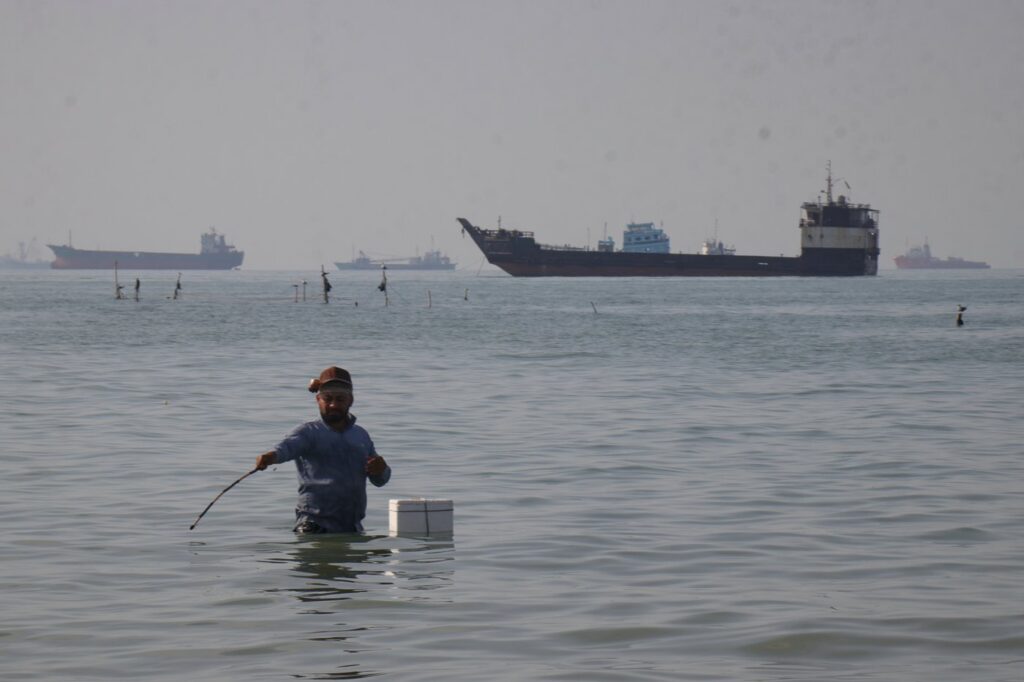
Despite ongoing accusations of ceasefire violations, a fragile three-week ceasefire appears to be holding between the U.S. and Iran. While this ceasefire has largely reduced conflict within Iran, a standoff persists over the strategic Strait of Hormuz, through which approximately a fifth of the world's traded oil and gas passes in peacetime. A U.S. Navy blockade aimed at preventing Iranian tankers from reaching the sea has severely impacted Iran’s economy while putting pressure on the global economy as well.
Earlier in the week, President Trump had proposed a new plan to allow for the reopening of this critical passageway, which Gulf allies rely on for exporting oil and gas. Meanwhile, Iran’s Foreign Minister Abbas Araghchi engaged in discussions with various regional counterparts, including officials from Turkey, Egypt, Qatar, Saudi Arabia, Iraq, and Azerbaijan, updating them on Iran's latest initiatives regarding the conflict.
Further diplomatic outreach included a phone conversation between European Union foreign policy chief Kaja Kallas and Araghchi, focusing on efforts to reopen the Strait of Hormuz and establish long-term security arrangements. The Trump administration has refrained from disclosing whether it received the new proposal from Iran, with White House spokesperson Anna Kelly noting that "We do not detail private diplomatic conversations." Kelly reiterated that President Trump remains firm that Iran must never possess a nuclear weapon and that negotiations are ongoing to safeguard the national security of the United States.
On the Pakistani front, officials have neither confirmed nor denied the receipt of proposals from Tehran, but efforts are reportedly continuing to de-escalate tensions. Pakistan's Prime Minister Shehbaz Sharif indicated in a Cabinet meeting on Wednesday that they were still awaiting a response from Iran.
Recent developments indicate that Trump rejected a proposal from Iran that would have allowed for the reopening of the Strait in exchange for the lifting of the U.S. Navy blockade on Iranian ports. Two regional officials familiar with the negotiations, speaking anonymously, noted that the Iranian proposal sought to postpone discussions concerning Iran's nuclear program.
Since the conflict commenced on February 28, at least 3,375 individuals have lost their lives in Iran, alongside over 2,600 casualties reported in Lebanon amidst renewed hostilities between Israel and Hezbollah, an Iran-backed militant group. Additionally, fatalities have been reported in Israel and in Gulf Arab states, with numerous U.S. service members also having died throughout the region.








