

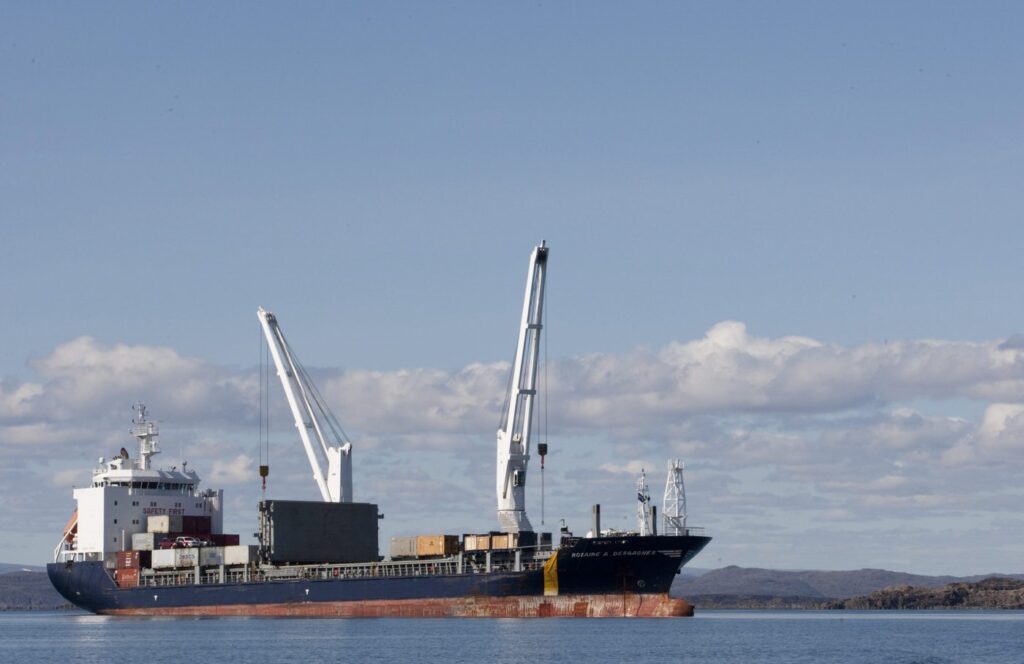
OTTAWA – Two Canadian cargo ships, owned by Quebec-based Desgagnés, are currently stranded in the Persian Gulf due to the ongoing conflict in Iran, which has led to the blockade of the vital shipping route, the Strait of Hormuz. These vessels were transporting general cargo to various ports in Iraq, Saudi Arabia, and the United Arab Emirates before the outbreak of hostilities.
The situation escalated following an attack on Iran by the United States and Israel on February 28, 2026. Since early March, Iranian military actions—including strikes and reports of maritime mines—have significantly restricted vessel traffic through the Strait of Hormuz. This strategic waterway is crucial for global oil shipments and trade, making the current blockade a point of international concern.
According to reports from Nunatsiaq News, the two Desgagnés ships have been immobilized since prior to the conflict's commencement. The company has expressed caution regarding the passage through the strait, emphasizing that they will not risk the safety of their crew or cargo until the situation stabilizes. Notably, the two vessels are registered under the flag of Barbados, as all 30 crew members on board are foreign nationals, with no Canadians present among the crew.
While tensions in the region remain high, it has been reported that nearly 20 ships have come under attack since the onset of hostilities. Nonetheless, The Associated Press notes that Iran has permitted approximately 90 ships to navigate through the strait during this tumultuous period, the majority of which are Iranian-flagged vessels.
As the geopolitical dynamics continue to unfold, the implications for global shipping and trade are significant. The stalled Desgagnés ships serve as a reminder of the precarious state of maritime operations in the Persian Gulf. The ongoing conflict underscores the intersection of military actions and economic interests, illustrating how regional instability can ripple through international trade networks.
This news report confirms that the situation in the Persian Gulf will require continuous monitoring, as shipping companies weigh their options amid uncertain safety conditions in these critical maritime corridors.








