

BEIRUT (AP) - As Eid al-Fitr approaches, marking the end of Ramadan, the festive spirit is a stark contrast to the harsh reality faced by families in Lebanon. Normally, Lilian Jamaan would be shopping for her daughter and preparing traditional Eid meals. However, as she spoke from a shelter in Sidon, she expressed that “there’s no joy for Eid or for Ramadan or for anything.” Jamaan, displaced by the ongoing conflict, outlined the difficulties brought on by the current situation.
With the Islamic holy month concluding, the humanitarian crisis in Lebanon has reached alarming levels. The Lebanese government reports that Israeli strikes have displaced over 1 million people in the country, with 968 casualties attributed to the renewed hostilities between Israel and Hezbollah. The Iran-backed Hezbollah’s escalation, by launching rockets into Israel, prompted extensive Israeli bombardment of southern Lebanon and its suburbs, forcing many families to leave their homes.
Basma Alloush, a spokesperson for the International Rescue Committee, shared that many children displaced by this violence harbor a simple wish: to spend Eid at home with their loved ones. She emphasized that Eid typically symbolizes family togetherness, peace, and joy, but for countless families now living in shelters, these sentiments feel unattainable. The displaced population, many of whom found refuge in schools, has struggled to maintain traditional Ramadan practices like fasting and communal prayers.
Jamaan mentioned that the harsh conditions forced her to abandon her fasting routine, highlighting the psychological toll the situation has taken on those displaced. She described how the family now finds themselves sleeping in a school alongside others, while her husband is forced to sleep in their car, emphasizing the instability they face. Jamaan longs for her former Ramadan rituals, such as breaking fast with neighbors and the daily prayers that once marked her Islamic practice.
Asmahan Taleb, also displaced in Sidon, poignantly asked, “How can we celebrate Eid when we’re displaced from our homes and our land?” This sentiment of loss and longing for home permeates the displaced community, where many expressed that true celebration of Eid would only come when they can return home.
Humanitarian organizations report that Lebanon is now experiencing the stark consequences of a larger regional crisis. Carl Skau from the U.N. World Food Program remarked on the fatigue felt by the population, who have experienced repeated displacements, stating that the need for funding and aid is even more critical than before. WFP has been providing over half a million hot meals to those in shelters across the country since early March.
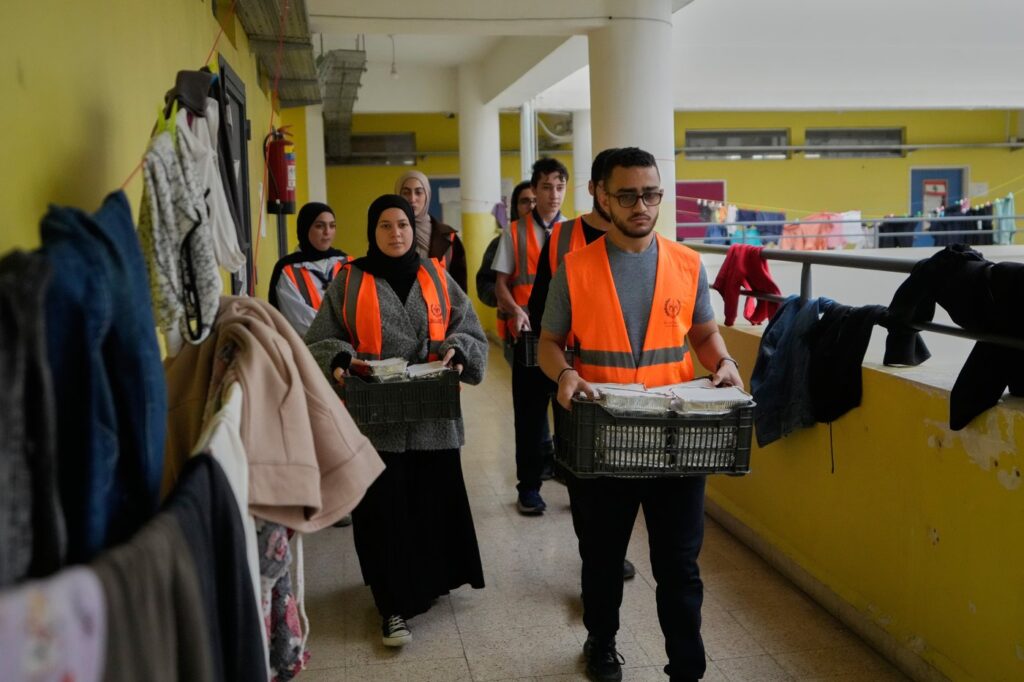
Efforts to support the displaced have emerged, with volunteers and organizations mobilizing to provide hot meals for iftar as well as essential items like blankets, clothing, and baby formula. Alloush noted the dire need for adequate shelter, especially in the face of recent harsh weather conditions that have left many vulnerable to the elements while they sleep outdoors or in makeshift shelters.
Meanwhile, at a school shelter in Beirut, some individuals have tried to bring a sense of normalcy back into their lives by decorating the hallways and sharing meals together. Shaker Araqa lamented the fragmentation of family gatherings that were once commonplace, while Nabila Hijazi reflected on her children’s desire for festive experiences, promising them that their situation would improve in time.
Despite the overwhelming challenges, those displaced by the ongoing conflict continue to hold onto their traditions and hopes for the future. Jamaan concluded with a prayer for peace and a return to their homes, embodying the resilience of those affected by war.








