

Seven countries within the OPEC+ grouping, which includes significant oil-producing nations such as Saudi Arabia and Russia, have announced a modest increase in oil production starting from June. This decision, based on their commitment to "market stability," was made during a virtual meeting held on Sunday.
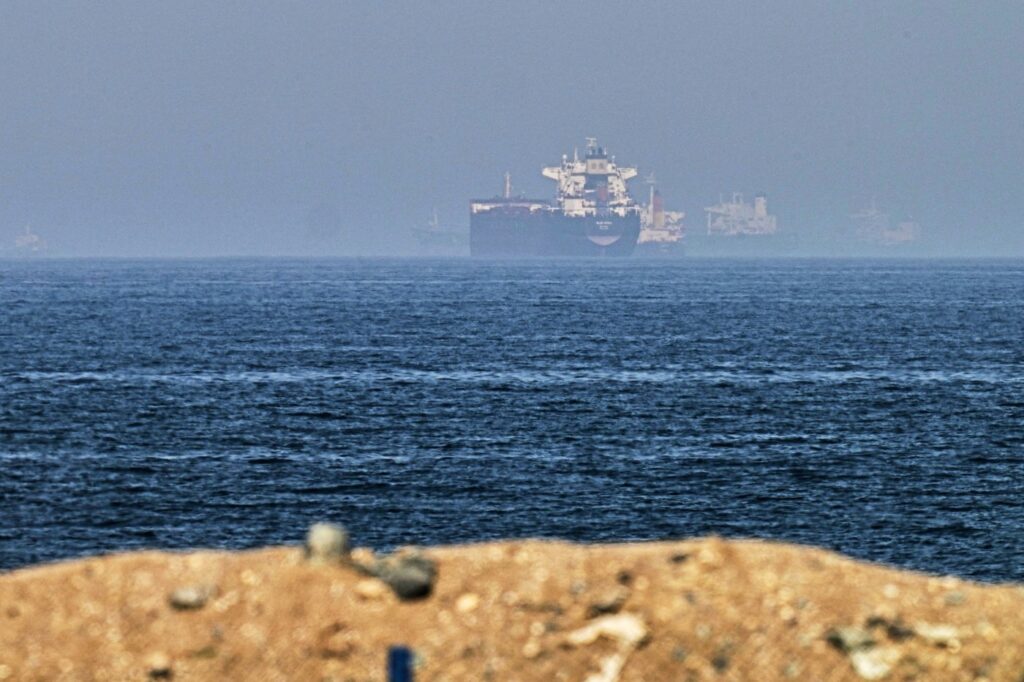
The nations committing to raise production include Algeria, Iraq, Kazakhstan, Kuwait, Oman, as well as Saudi Arabia and Russia. The total increase in production is set to be 188,000 barrels per day. However, experts suggest that this move is primarily symbolic, as it coincides with Iran's efforts to block the Strait of Hormuz, a critical maritime route where about 20% of the world's oil and natural gas trade typically flows. This blockade has significantly disrupted oil shipments from Gulf producers and resulted in a loss of millions of barrels per day from the global market during an ongoing conflict involving the U.S. and Israel.
This decision comes in the wake of the United Arab Emirates announcing its departure from the OPEC oil cartel, a significant development that disrupts a 65-year-old alliance responsible for producing approximately 40% of the world's crude oil. This exit raises questions about the future dynamics and influence of OPEC in global energy pricing.
While Iran is a member of OPEC, Russia participates in the organization through the OPEC+ alliance but is not a member of OPEC itself. The seven participating countries have declared their intentions to hold monthly meetings to review market conditions, ensure adherence to production agreements, and address the need for compensation. Their next meeting is scheduled for June 7.
This strategic increase in production, albeit minor, suggests a collective effort by these nations to manage oil supply in light of current geopolitical tensions, particularly the instability surrounding the Strait of Hormuz. The developments in the region could have far-reaching impacts on global oil markets, prices, and supply chains.








