

ST. JOHN'S - One of the world's largest credit rating agencies, DBRS Morningstar, has indicated that the surge in global energy prices driven by the ongoing conflict in Iran could significantly aid in addressing the fiscal deficit in Newfoundland and Labrador.
The province's recent budget, which reports a deficit of $688 million, is predicated on an oil price of US$79 per barrel. However, the actual market price has been hovering around US$110 for several weeks. This pricing dynamic is crucial, as the provincial government estimates that each additional dollar in oil prices translates to approximately C$33 million in revenue for the province.
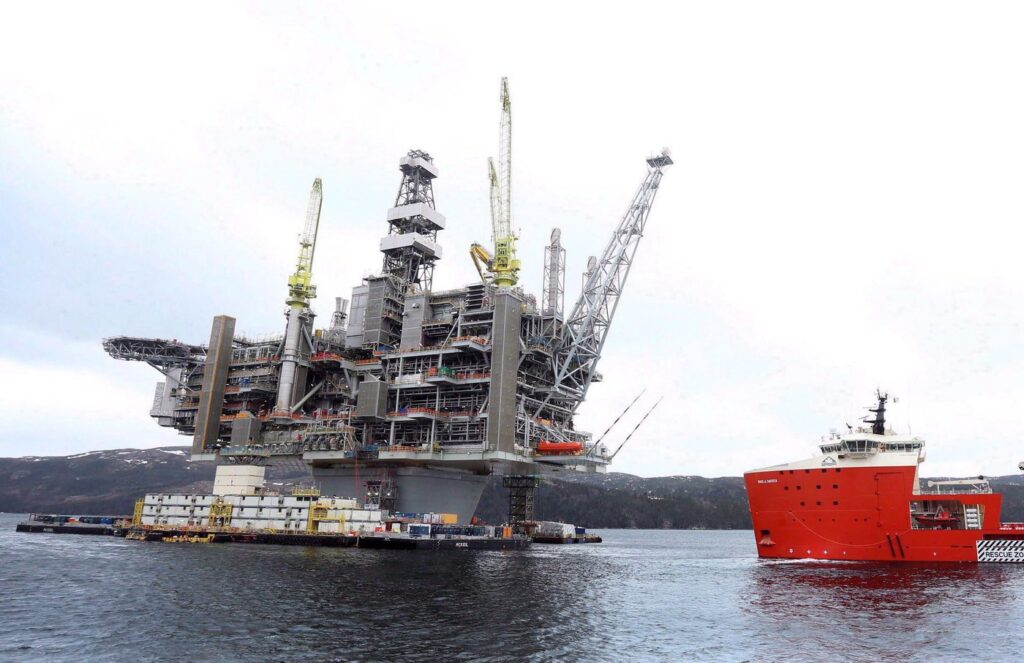
In March, Newfoundland and Labrador produced nine million barrels of oil, reflecting a 14 percent increase compared to the same month the previous year. The total value of this production reached about $1.3 billion, marking an impressive year-over-year increase of nearly 55 percent.
DBRS Morningstar has also noted that Premier Tony Wakeham's inaugural budget does not factor in any potential financial benefits stemming from a memorandum of understanding with Quebec, which aims at increasing the price of power generated by the Churchill Falls hydroelectric plant located in Labrador. As of now, this agreement between the two governments remains unratified.
Travis Shaw, a senior vice-president at DBRS, commented on the budget, stating, "Budget 2026-27 reiterates the PC Party's campaign priorities but presents a fiscal plan with ongoing deficits and rising debt." However, he also pointed out the potential fiscal upside presented by Newfoundland's exposure to global commodity prices.
As the situation evolves, the implications of fluctuating global energy prices and the government's fiscal strategies will remain closely scrutinized. The future outlook for Newfoundland and Labrador will depend significantly on these dynamics, particularly regarding oil production and pricing, as well as the potential benefits from energy agreements with neighboring provinces.








