

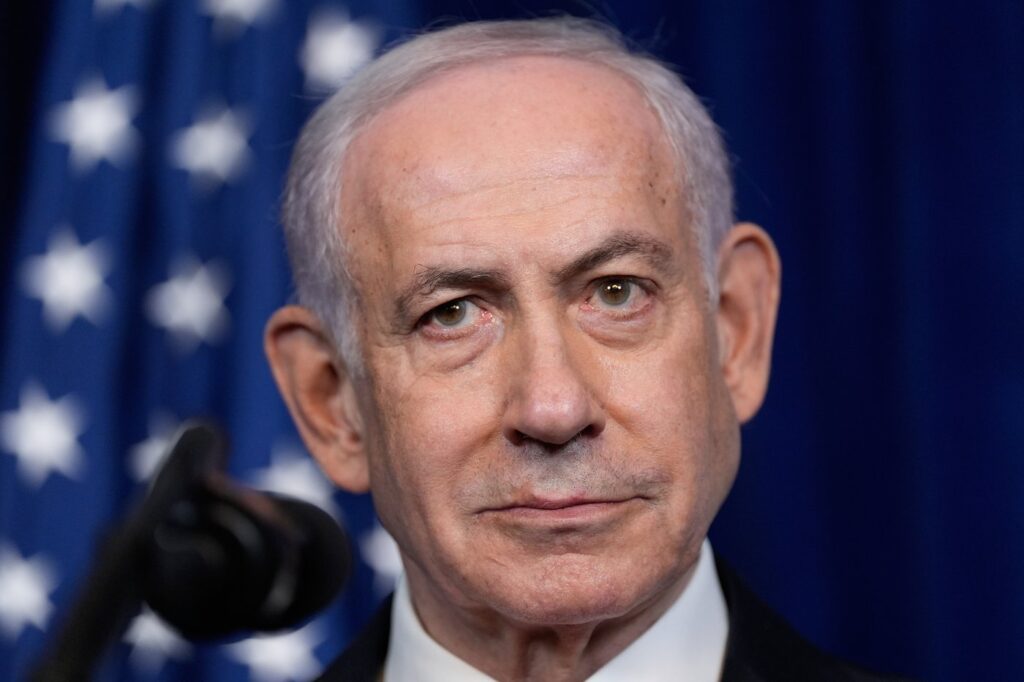
JERUSALEM (AP) — Israeli Prime Minister Benjamin Netanyahu faces a pivotal decision regarding the timing of Israel's next elections amidst ongoing warfare on multiple fronts. With no resolution in sight, Netanyahu's choice may be influenced by enemies in Iran and Lebanon as the stakes of this political moment are exceedingly high. A victory in the upcoming elections could solidify Netanyahu’s legacy as Israel’s longest-serving leader, potentially mitigating public backlash due to the Hamas attacks on October 7, 2023, which have instigated more than two years of war across the region.
A defeat, on the other hand, could transform Netanyahu into the most notable political casualty of the deadliest terror attack in Israeli history, which continues to loom over the nation’s collective consciousness. This tumultuous backdrop has already resulted in a series of prominent resignations and dismissals within his administration.
As Netanyahu's government is nearing the end of its four-year term, he is required to hold elections by the conclusion of October. However, he possesses the authority to disband the governing coalition prior to this deadline and call for early elections, as Israeli administrations rarely fulfill their complete terms. With this crucial timeline approaching, Netanyahu must select a date that he believes provides the best opportunity for his coalition of religious and nationalist allies to emerge victorious.
Currently, considering that elections are scheduled three months ahead of time, Netanyahu could opt to arrange a vote for late June, before the summer break, or postpone until the fall. If Israel experiences a swift military triumph over Iran, this scenario might bolster Netanyahu's public image, potentially empowering him to initiate early elections. A successful military campaign could allow him to tout Israel’s military strength and the collaborative alliance with U.S. President Donald Trump that enabled such conflict, while asserting that he has altered the regional landscape to Israel’s advantage since the October attack.
However, as the conflict progresses into its third week, this optimistic prospect appears to be slipping away. Iran continues to launch missile strikes against Israel, significantly disturbing the lives of millions of anxious citizens. Furthermore, hostilities with Hezbollah in Lebanon are escalating, and with Iran's intervention in disrupting global oil supplies, the end of war remains obscure. Voices within the “America First” faction of the Republican Party have begun critiquing Israel, accusing it of entangling the U.S. in unnecessary conflict.
Recent opinion polls indicate that while a significant majority of Israelis support the war, Netanyahu and his political coalition have not reaped the expected benefits. Given this atmosphere, political analyst Yohanan Plesner from the Israel Democracy Institute suggests there is little incentive for Netanyahu to accelerate the election date. He notes, “It doesn’t seem like there’s any remarkable change in Israeli public opinion. He’d rather buy more time and exhaust the full term that is available to him.”
As of now, Netanyahu seems to be inclined toward a fall election, expressing at a recent press conference his preference for elections to occur in “September or October.” This would allow Netanyahu additional time to restore his popularity as he navigates the uncertain political landscape. However, prolonged warfare could complicate his efforts, as it poses risks of more Israeli casualties and amplifies public weariness. Northern Israel, in particular, has faced substantial fire from Hezbollah, leading many residents, including those in Netanyahu’s traditional strongholds, to express frustration with the government's inability to stop the assault.
On the international front, a drawn-out conflict could lead to increased tension between Netanyahu and Trump, and further damage Israel’s global image following the critically scrutinized Gaza war, for which the International Criminal Court has indicted Netanyahu on war crime allegations, which he has denied. Plesner posits that a narrow window in early September, just before the month-long holiday season, might emerge as the most favorable time for Netanyahu to conduct the elections. Failing to do so could result in elections occurring near the anniversary of the October 7 tragedy, heightening public sentiment and reflection on that fateful day.








