

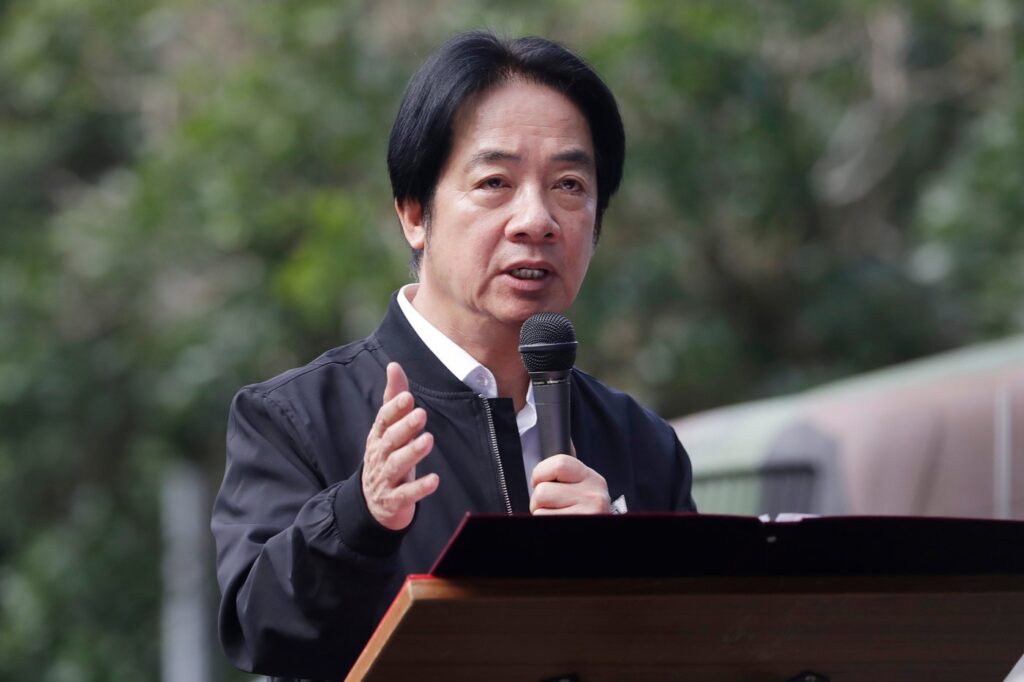
TAOYUAN, Taiwan (AP) — Taiwan President Lai Ching-te emphasized the importance of state visits as a fundamental right for countries, following his return from a three-day trip to the African kingdom of Eswatini. The trip occurred after his previous visit was reportedly hindered by Chinese pressure, illustrating ongoing tensions between Taiwan and China.
Initially, Lai was scheduled to visit Eswatini last month, one of Taiwan's remaining 12 diplomatic allies. However, the trip had to be canceled due to China allegedly influencing three other countries to revoke flight permits, obstructing Lai's transit through their airspace. While China has not confirmed the pressure applied to these nations, it thanked them for their support of its one-China principle, further highlighting the diplomatic challenges Taiwan faces.
Despite the earlier cancellation, Lai managed to reschedule his trip, arriving in Eswatini on May 2. During his visit, he engaged in discussions surrounding various forms of cooperation, including economic, agricultural, cultural, and educational ties. Upon his return to Taiwan, Lai remarked, “Just like going out to visit friends, this is every country’s basic right.” He expressed that the trip demonstrated the Taiwanese people's determination to engage with the international community.
China continues to assert its claim over self-ruled Taiwan, considering it part of its territory, and has made it clear that it aims to reclaim Taiwan by force, if necessary. This claim has led to increased pressure on Taiwan, both diplomatically and militarily. The Chinese military regularly sends fighter jets and naval vessels towards Taiwan while simultaneously pressuring countries to sever diplomatic ties with the island nation through economic incentives and various forms of coercion.
The diplomatic suffocation of Taiwan was further illustrated when organizers of a human rights conference in Zambia recently canceled the event after Chinese pressure forced the host nation to disinvite Taiwanese activists. Such incidents underscore the myriad challenges Taiwan faces on the global stage, compounded by China's increasing muscular diplomatic posture.
During his visit to Eswatini, Lai also expressed gratitude towards the deputy prime minister of Eswatini, Thulisile Dladla, for her assistance in facilitating a smooth round trip. Dladla had previously visited Taiwan in late April, illustrating the building of ties between the two nations, despite external pressures.
Lai concluded his statements by emphasizing that true strength lies not in dominating others but in fostering prosperity for all. His remarks reflect Taiwan's ongoing efforts to assert its sovereignty and engage actively with other nations, despite the persistent threat and pressure from China.








