

MADISON, Wis. (AP) – Federal environmental regulators previously rejected West Virginia officials' plan to address sulfur and smog pollution affecting national wilderness areas, noting that a dozen coal plants had not properly evaluated their pollution controls. However, six months later, under the Trump administration, the Environmental Protection Agency (EPA) approved the same plan, easing the requirements by stating that visibility improvements alone sufficed, provided they met targeted benchmarks.
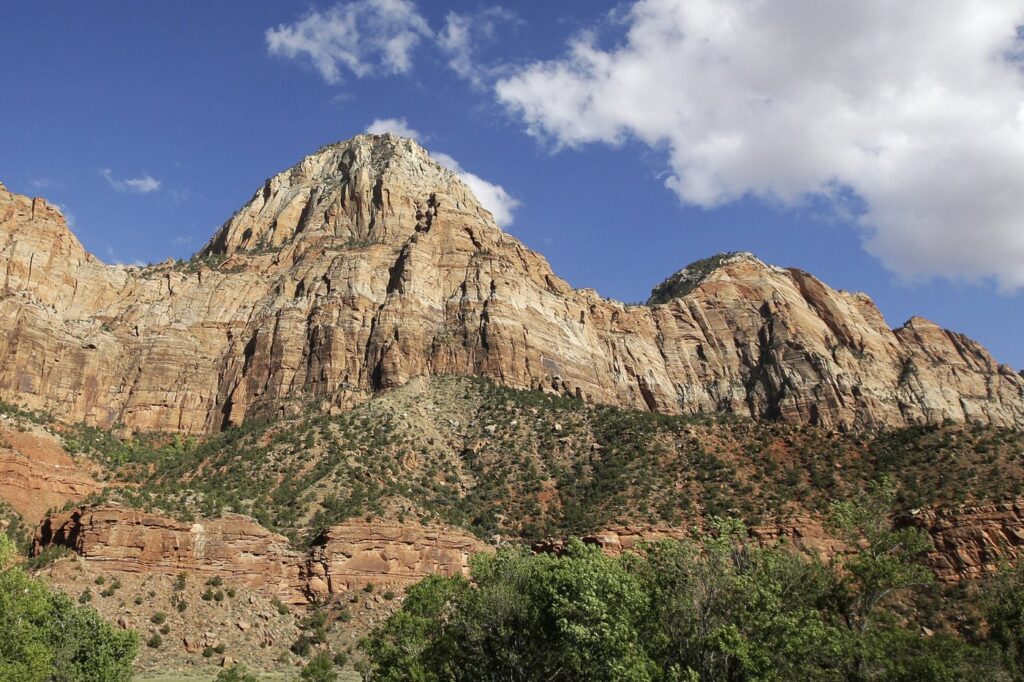
Conservationists argue that this reversal exemplifies the Trump administration's broader agenda to roll back pollution regulations that have safeguarded air quality in national parks and wilderness areas over the past 25 years. The regional haze rule, established in 1999, mandates states to create strategies every decade to reduce emissions and monitor air quality in over 150 national parks, wilderness areas, wildlife refuges, and tribal reservations in 36 states. Since its implementation, sulfur and smog emissions have significantly declined, enhancing average visibility at parks from 90 miles to 120 miles (145 kilometers to 195 kilometers), as reported by the Harvard Law School’s Environmental and Energy Law Program.
Energy producers contend that such regulations have fulfilled their purpose and are proving too costly. In March 2025, EPA Administrator Lee Zeldin announced intentions to repeal 31 significant environmental regulations, including the regional haze rule, aimed at alleviating the regulatory burden on the fossil fuel sector. While the EPA is still gathering public comments regarding potential adjustments to the federal rule, environmental advocates warn that the agency has concurrently lowered standards by rejecting state proposals deemed too stringent and approving previously denied weaker plans.
Ulla Reeves, director of the National Parks Conservation Association's clean air program, criticized the EPA's method of validating insufficient state efforts. “They’re blessing states that haven’t done a good enough job,” Reeves stated, accusing the agency of implementing changes to allow polluting facilities to operate without necessary constraints. An EPA spokesperson defended the agency's actions, asserting a commitment to legal compliance and maintaining that it cannot approve state plans lacking adherence to legal standards.
In January 2025, shortly after Trump assumed office, the EPA initially communicated its intent to reject West Virginia’s pollution control proposal, noting the state's lack of thorough evaluations for eight coal-burning power plants. The state had requested assessments from five plants, with only one adhering. However, six months later, the EPA reversed its stance and approved West Virginia's plan, introducing a new policy that considers state plans adequate if they demonstrate visibility improvements beyond expectations regarding the nature parks affected.
Environmental groups like the National Parks Conservation Association, the Sierra Club, and the advocacy organization Earthjustice are currently suing the EPA, contending that the newfound policy allows West Virginia to forego vital pollution reductions, endangering air quality in national parks including Shenandoah, Great Smoky Mountains, and Mammoth Cave. Joshua Smith, attorney for the Sierra Club, emphasized the concern that reliance on visibility benchmarks would enable still-polluting facilities to evade necessary remediation efforts.
In addition to West Virginia, the Trump EPA has also rejected pollution plans in Colorado and Hawaii that involved closing coal-burning plants. Colorado’s plan to shut down a coal plant near Pueblo faced opposition from the utility company, which claimed the closure could harm the state’s electricity supply. Similarly, Hawaii's proposal faced scrutiny, with the EPA indicating potential legal issues surrounding the proposed plant closures. The EPA has stated that it would not support state-led efforts that aim for plant closures without considering the implications for energy supply and grid reliability.
Critics express alarm at the Trump administration's support for coal, viewing it as a regression in environmental safeguards. Jim Schaberl, a former air and water quality manager at Shenandoah National Park, lamented the possibility of losing the air quality improvements accomplished since 2008, asserting, “To try to resurrect coal is like digging up a grave.” Schaberl's comments reflect a growing concern that reversing these regulations could significantly impair air quality that has improved over the years.








