

PARIS (AP) — French voters are heading to the polls on Sunday for the second and final round of the municipal elections taking place in over 1,500 communes across the country. This election cycle represents a significant moment for the local political landscape in France, particularly as the nation gears up for the presidential race set for 2027. The outcome will be a crucial indicator of whether the far-right parties can transform their recent national success into substantial control over major cities, where they have historically faced challenges.
The most intense contests are unfolding in major urban centers, following a first round of voting that saw France's traditional political parties—both the left and the right—gaining traction. The far-right factions have positioned themselves strongly in several key urban races, while President Emmanuel Macron's Renaissance movement has adopted a more subdued stance in many prominent races.
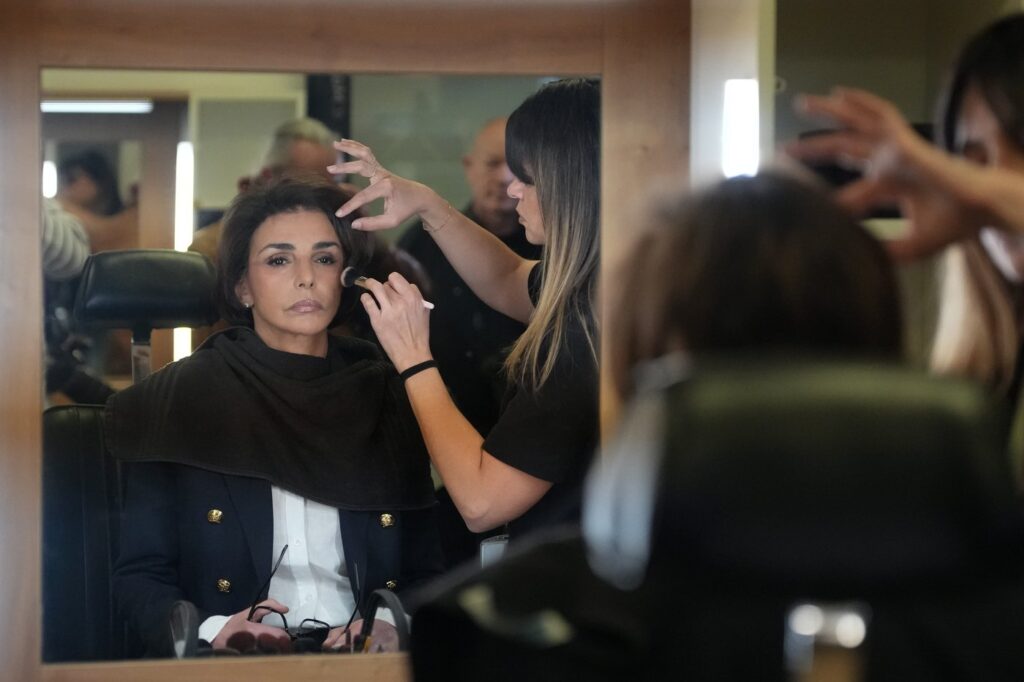
As election day approaches, various alliances, withdrawals, and tactical agreements between party lists have created an environment where three-way contests are prevalent in the runoff. The race in Paris, one of the biggest prizes, has attracted significant attention. Emmanuel Grégoire, leading a coalition of left and green candidates, garnered 37.98% of the vote in the opening round. He is followed by conservative candidate Rachida Dati, who received 25.46%. Meanwhile, Sophia Chikirou from La France Insoumise remains a contender, making for a competitive three-way race.
In Marseille, another crucial battleground, incumbent left-wing Mayor Benoît Payan achieved a narrow lead with 36.70%, edging out far-right candidate Franck Allisio, who secured 35.02%. Martine Vassal, representing the right, is also still in contention, highlighting the tight nature of this race. Lyon’s runoff appears to be a direct matchup, with incumbent ecologist Grégory Doucet receiving 37.36% of the votes, closely followed by centrist challenger Jean-Michel Aulas, who received 36.78%.
Toulouse presents a different narrative as voters evaluate the appeal of La France Insoumise in a larger city context. François Piquemal has united with broader leftist factions to challenge the conservative Mayor Jean-Luc Moudenc, who led the first round with 37.23% of the vote. The contest is considered a test of LFI's influence in urban areas.
Other significant city contests also warrant attention. In Nice, Eric Ciotti leads with 43.43%, surpassing Christian Estrosi, who held 30.92% in the first round. This scenario underscores a division on the right between Estrosi's more moderate conservative faction and Ciotti's alignment with the far right. In Nantes, incumbent Socialist Mayor Johanna Rolland starts the runoff ahead of her right-wing challenger. Meanwhile, Bordeaux's race remains open, with incumbent Pierre Hurmic topping a splintered field in the first round.
As voters cast their ballots, the outcomes in these cities will resonate beyond local governance, indicating the broader trends in French politics as the nation prepares for future electoral challenges.








