

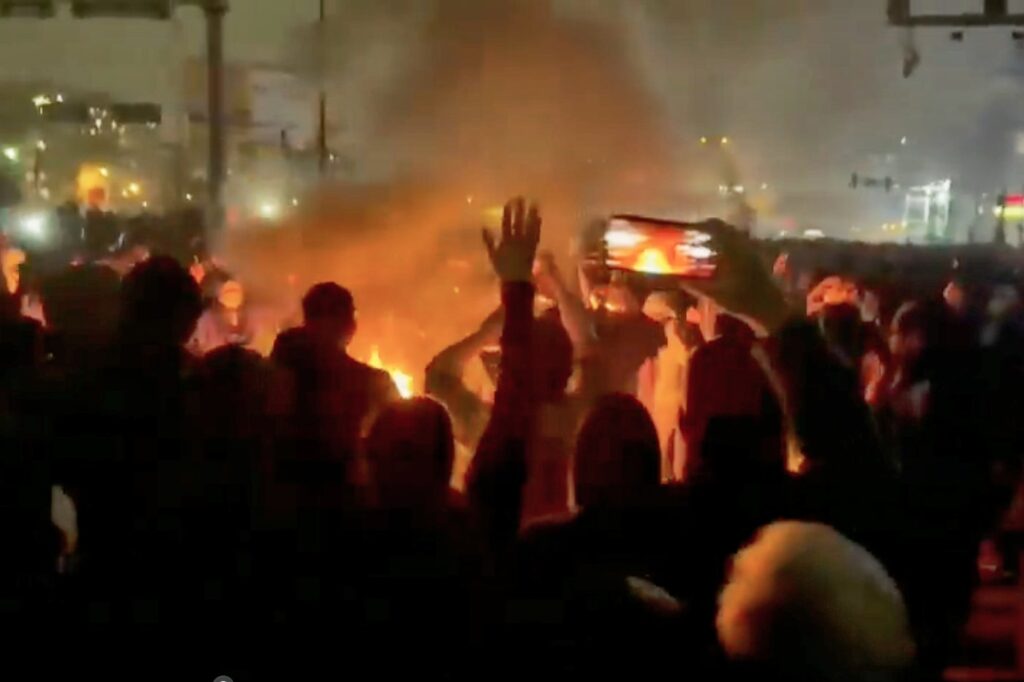
In today's digital landscape, AI-generated content has permeated numerous aspects of social media, making it ever more challenging to differentiate between fact and fiction, especially with breaking news. A prime example is the ongoing conflict involving Iran, which has seen a significant surge in the dissemination of false and misleading images, particularly since the U.S. and Israel launched military actions against Iran on February 28. Researchers have highlighted a concerning number of AI-generated false images, such as fabricated bombing footage and altered propaganda videos depicting figures like former President Donald Trump as blocky, Lego-like characters.
The 10th annual International Fact-Checking Day serves as a timely reminder of the evolving challenges posed by misinformation generated through AI technologies. Ever since the onset of the Iran conflict, various social media accounts have been promoting misleading content, contributing to the rampant spread of false information. The Institute for Strategic Dialogue, an organization focused on tracking disinformation and online extremism, has identified a group of accounts on the social media platform X (formerly known as Twitter). These accounts, which utilize AI-generated content, have collectively amassed more than one billion views since the conflict's beginning. Notably, many of these accounts are verified, sporting blue check marks, which adds to their credibility in the eyes of users.
To navigate the complexities of distinguishing AI-generated content from reality, there are several strategies one can employ:
1. Look for Visual Cues:
Initially, there were clear indicators that could help identify AI-generated images, such as unrealistic physical features or incoherent text. Although the technology behind AI content has rapidly advanced, making these tells less common, it remains important to scrutinize images for inconsistencies. Examples include objects appearing and disappearing unexpectedly or physical actions that defy the laws of physics. Additionally, overly polished images or those with an unnatural sheen should raise suspicion.
2. Seek Out the Source:
AI-generated images often circulate extensively, making it crucial to trace their origins. Utilizing a reverse image search can be an effective way to authenticate an image or find its original context. For videos, taking a screenshot can lead to more information about the content provider, whether it’s an account that exclusively posts AI-generated material or an older image being misrepresented.
3. Listen to Experts:
Consulting verified sources can aid in the authentication of images. This may involve fact-checking from reputable media outlets or statements from industry experts. These credible sources often possess advanced tools or access to information that can confirm or deny the authenticity of the images in question.
4. Make Use of Technology:
There are various AI detection tools available that can assist in identifying AI-generated images, though users should remain aware that these tools are not infallible. Some AI creation applications have incorporated digital watermarking features to signify their content, but these markers can sometimes be easily removed, meaning their absence does not guarantee an image's authenticity.
5. Slow Down:
Taking a moment to pause and evaluate information before sharing is crucial. Bad actors often exploit emotional responses to disseminate false information. By examining the comments and conversations surrounding a piece of content, users may find insights into its veracity provided by others who have noticed discrepancies or conducted further research.
As misinformation continues to proliferate, especially in connection to significant events like the Iran conflict, remaining vigilant and employing these strategies can help combat the spread of falsehoods. Users who encounter potentially misleading content are encouraged to report it to the appropriate channels for further investigation.
For more on fact-checking resources, please refer to the AP Fact Checks page.








