

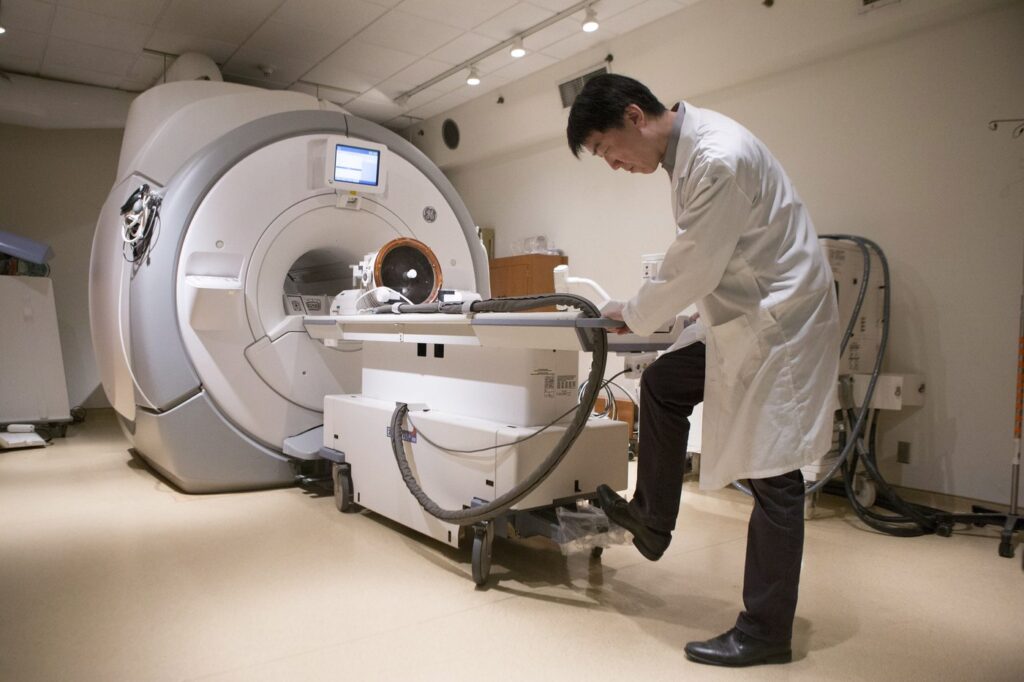
The ongoing conflict in the Middle East has impacted helium supplies critical for health services in Canada, particularly in Saskatchewan. The Saskatchewan health authority has reported a temporary 50% reduction in liquid helium allocations from its supplier, primarily used in MRI machines. Although there is currently no direct effect on patient care, the situation has raised concerns among researchers who have been warning about potential supply issues for years.
Genevieve Seabrook, manager of the nuclear magnetic resonance research facility at the Princess Margaret Cancer Research Centre in Toronto, emphasized the need for Canada to secure a sustainable and stable helium supply. The disruptions stem from strikes by Iran on Gulf states which forced QatarEnergy to shut down a major liquefied natural gas terminal due to force majeure, impacting helium supplies as helium is a byproduct of natural gas processing and Qatar is one of the world’s leading suppliers.
Air Liquide, Canada's largest liquid helium distributor, also declared force majeure, notifying some customers of a 50% supply cut alongside increased prices. HealthPro Canada, a non-profit organization aiding around 2,100 medical facilities in securing supplies, has resisted such price hikes, asserting they will hold suppliers accountable to contracted pricing. CEO Christine Donaldson stated that, to date, there has been no impact on patient care, but the organization is assessing the needs of clients in light of potential future shortages.
New MRI machines require substantial amounts of liquid helium upon installation and need minimal replenishment thereafter. In contrast, older machines tend to deplete helium more quickly, raising concerns among researchers like Seabrook, whose spectrometers consume considerably more helium every five weeks. Should supplies dwindle, it could lead to catastrophic consequences, damaging equipment necessary for scientific research.
The helium supply issue is not unprecedented; previous shortages occurred during the COVID-19 pandemic and following the onset of Russia's war in Ukraine, another major helium supplier. Anne Snowdon, scientific director and CEO of the Supply Chain Advancement Network in Health, highlighted Canada’s lack of a centralized agency responsible for managing product shortages in the healthcare system, with about 3,000 supply shortages reported annually for various medical products.
The Strait of Hormuz's closure has caused delays in shipments of active pharmaceutical ingredients, especially from India, a critical supplier for Canada. According to a 2022 study, over 90% of the active pharmaceutical ingredients utilized in Canada are imported. While the Canadian Generic Pharmaceutical Association indicated that no drug shortages had been reported, rising supply chain costs remain a significant concern. In 2023, the Canadian federal government allocated $80.5 million to the Canadian Critical Drug Initiative to address drug shortages experienced during the pandemic.
Applied Pharmaceutical Innovation, an Alberta-based non-profit, has indicated it will begin producing active pharmaceutical ingredients in Canada, though CEO Andrew MacIsaac stated that its facility cannot fully replace imported ingredients due to low profit margins in the generic drug sector, presenting the facility as a potential short-term supplier in emergencies.
HealthPro Canada ensures its suppliers maintain three to six months of an inventory of active ingredients to mitigate future shortages. Donaldson noted that proactive measures and advance warning signs of supply issues could allow for continued operation uninterrupted. Snowdon encouraged all provinces to collaborate and share resources rather than compete, suggesting that teamwork could enhance the overall resilience of Canada’s health system against supply chain disruptions.








