

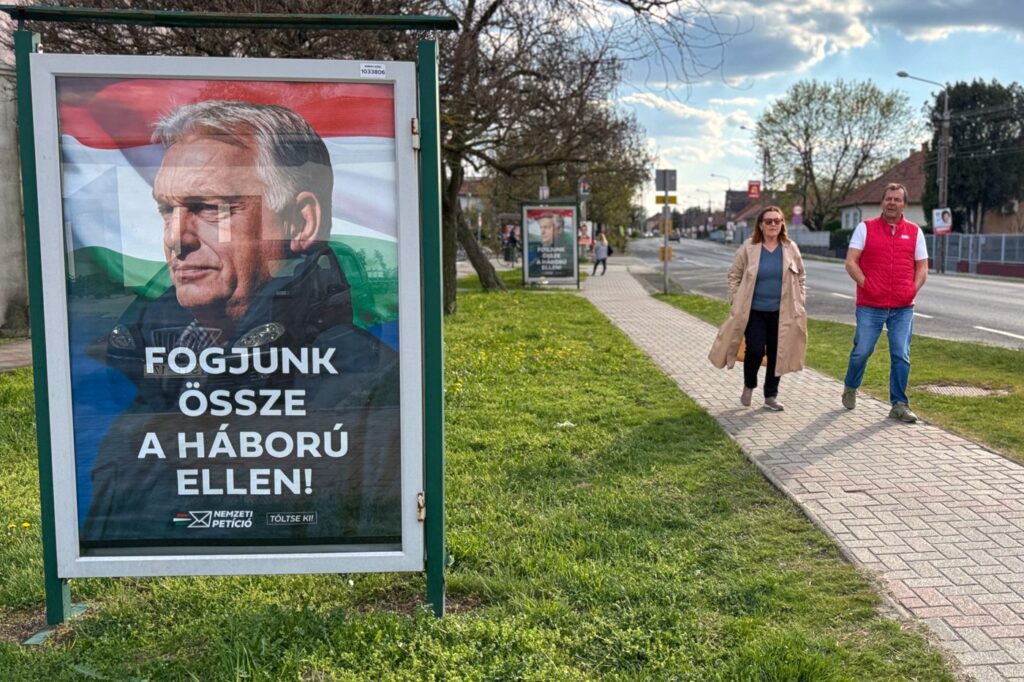
CEGLÉD, Hungary – István Vároczi, a 63-year-old entrepreneur from Cegléd, expresses skepticism about polls indicating that Prime Minister Viktor Orbán could lose a critical election on Sunday. Orbán, who has been in power for 16 years and has secured four consecutive election victories, now faces an unprecedented challenge from center-right opponent Péter Magyar of the Tisza party. Magyar has focused on eroding Orbán's rural support through extensive campaigning in the countryside.
Despite polling suggesting that many Hungarians are abandoning Orbán and his Fidesz party in favor of change, the long-serving prime minister maintains significant popularity, particularly among older demographics and residents of smaller communities. Vároczi, who operates a stall selling handbags and other goods in central Cegléd, states, “I’ve been watching him for nearly 40 years, I have always voted for him and I will again. I’ve never been disappointed in him.” He praises Orbán’s connection to his roots and describes the prime minister’s performance as “unparalleled.”
Magyar and the Tisza party have gained momentum due to public discontent with the economic stagnation experienced over the past four years, linked to the freezing of billions in European Union funding concerning rule-of-law and corruption issues under Orbán’s government. In a recent survey by pollster Medián, support for Fidesz among Hungarians over 65 years old stands at 47%, compared to 29% for Tisza. The trend shows that support for Orbán increases in smaller communities.
In the town of Albertirsa, a community of approximately 14,000, János Falajtár, a retired pipe fitter, emotionally recounts how he believes Orbán has served the nation. With tears in his eyes, he insists that “common sense and heart matter” more than mere decisions. He expresses confidence that Orbán has acted for the people’s benefit.
Orbán has implemented pre-election benefits and programs aimed at attracting his base, such as a popular utility bill reduction initiative and pension supplements, including a 14th payment now being introduced for retirees. Additionally, he has launched renovations for small-town pubs and churches and has abolished income tax for young mothers with multiple children. However, more than specific policies, it is Orbán’s political charisma, emphasis on Hungary’s traditions, and commitment to national pride that resonate deeply with his supporters.
Falajtár believes that the Prime Minister has united the nation, including the ethnic Hungarian populations in neighboring regions after the territorial losses post-World War I. He remarks, “We are now beginning to unite the Greater Hungary in Vojvodina, Slovakia, Transcarpathia, Transylvania, and even in Austria,” reflecting a powerful sense of national identity and pride.
In his campaign, Orbán emphasizes various threats that Hungary faces if he does not secure another term, particularly highlighting the ongoing war in neighboring Ukraine. He claims that these external factors could jeopardize Hungary’s stability, arguing that the government is acting in the people's best interest amidst economic challenges. Vároczi reiterates this sentiment, suggesting that external issues, rather than government mismanagement, are to blame for the sluggish economy.








