

Since British Columbia declared a public health emergency on April 14, 2016, over 18,000 individuals have lost their lives due to drug overdoses, primarily linked to fentanyl. This crisis has profoundly affected countless survivors, families, and friends of victims, each with their own heart-wrenching stories.
‘HE HAD A TWINKLE IN HIS EYE’
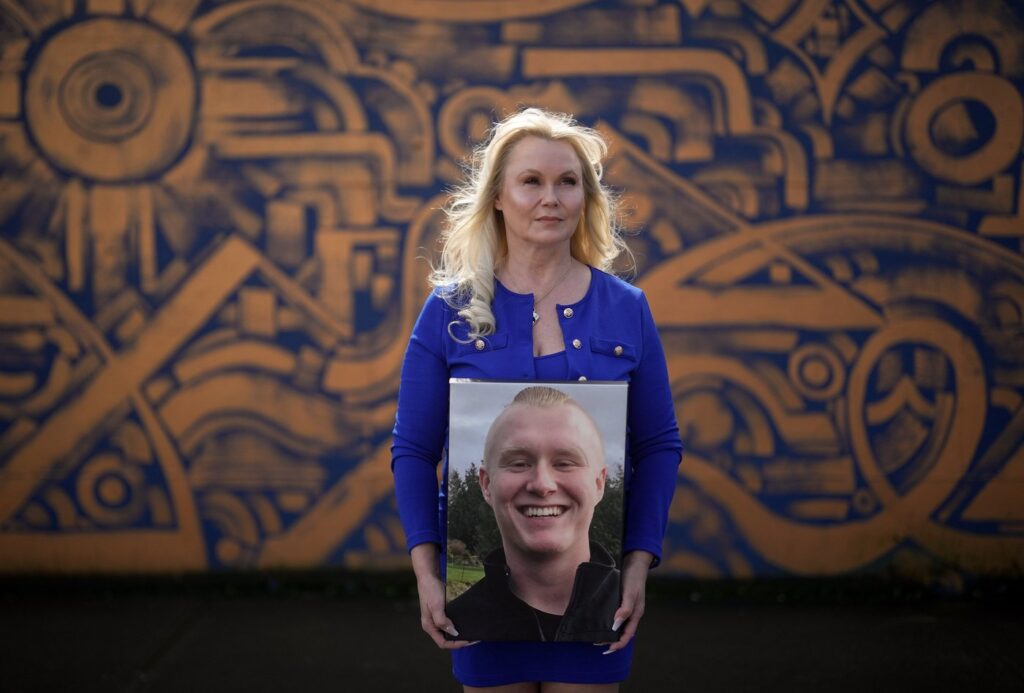
Michelle Jansen experienced the devastating loss of her 20-year-old son, Brandon, who died from fentanyl poisoning at a treatment facility in Powell River, B.C., on March 7, 2016, just weeks before the public health emergency announcement. Brandon was described by Jansen as charismatic and friendly, often helping others at the treatment centers. After his death, she faced a crucial choice: to succumb to despair or to find the strength to support her two other sons. Choosing the latter, she became a vocal advocate for families affected by the crisis, launching a foundation in Brandon's name. Despite her efforts, Jansen's frustration remains palpable, highlighting a discrepancy in governmental response to drug deaths compared to violence.
‘THEY SURROUND ME WITH LOVE’
Meredith Dan’s son, Glenn Rebic, who died at 29 due to a fentanyl-laced cocaine overdose on June 21, 2019, left an indelible mark on Vancouver’s skateboarding community. Dan reminisces about the memorials across skate parks that reflect the lasting impact of her son’s life. She has engaged in extensive therapy since his death and pursued comprehensive knowledge about the circumstances around it, even filing a complaint regarding the insensitive manner in which a police officer informed her of Glenn's passing. Through her grief, Dan finds solace in the love and support she receives from Glenn’s friends.
‘I KNOW HE TOUCHED PEOPLE’S LIVES’
Michael Rantanen, an artist who battled addiction, died of drug poisoning just short of his 26th birthday on July 15, 2022. His mother, Maria, reflects on his empathetic nature and artistic talent, emphasizing that addiction does not define a person's entire life. She expresses sorrow over the systemic failures that lead to increased fatalities, lamenting a future generation that will be haunted by the loss of friends and family to this epidemic.
‘HOW DO WE KEEP EACH OTHER ALIVE’
Lenae Silva, a two-decade opioid user, shared her experiences witnessing the destructive impact of toxic drugs in Nanaimo, B.C. She emphasizes a culture among drug users to protect one another in the absence of governmental assistance, particularly in terms of sharing information about dangerous batches. Co-founding the Open Heart Collaborative during the pandemic, Silva underscores a collective effort to address the crisis through outreach initiatives that offer medical assistance and resources such as safe injection supplies.
‘THESE ABSURD POLICIES BLOCKED THE PATH’
Ellen Lin, an immigrant from China, blames B.C. authorities for her daughter Emmy Liu's fentanyl overdose at the age of 14 on January 30, 2025. Lin, who previously believed in the protective nature of Canadian policies, is now a critic of the decriminalization approach that she feels created a dangerous environment for her child. She struggled to find help through proper channels, expressing disillusionment with the assistance available during critical moments.
‘I DIDN’T DIE BUT THE BUSINESS SURE DID’
Edwin Bergsson is a survivor of a brain injury sustained from an overdose five years ago. Once a thriving music studio owner, his struggles led him to self-medicate and ultimately overdose. Having received comprehensive rehabilitation after being found by a friend, he now works at the Second Chance Cafe in Saanich, B.C. This establishment provides opportunities for brain injury survivors to reintegrate into society. Bergsson reflects on finding community and support amid recovery, acknowledging his past while looking forward.
‘THE MOST BEAUTIFUL HUMAN BEING IN THE WORLD’
Jacob Wilson's mother, Shirley, commemorates her son's spirit on what would have been his 29th birthday. Wilson, a victim of addiction following a life-altering injury from being struck by a truck in 2018, passed away on November 11, 2021. His mother advocates for vital policy changes that address the needs of individuals affected by trauma and addiction, determined to share Jacob's story and raise awareness about the critical situation.








