

HALIFAX – In Nova Scotia, hundreds of workers from nearly two dozen long-term care homes are poised to take to the picket lines following a deadlock in contract negotiations. The Canadian Union of Public Employees (CUPE) has announced that more than 2,200 employees from 22 different facilities will participate in this labor action, with the possibility of additional workers joining in the coming days.
The affected personnel includes a wide range of staff, such as continuing-care assistants, licensed practical nurses, as well as housekeeping staff and physiotherapists. Union spokesperson Ty Loppie has stated that the workers feel compelled to take this job action as they advocate for a living wage, highlighting the importance of fair compensation in the essential services they provide.
The current negotiations involve long-term care agreements that expired in 2023, putting additional pressure on the discussions between the Nova Scotia government and CUPE. This situation has escalated tension within the care facilities, as workers seek to improve their pay and working conditions amid rising costs of living.
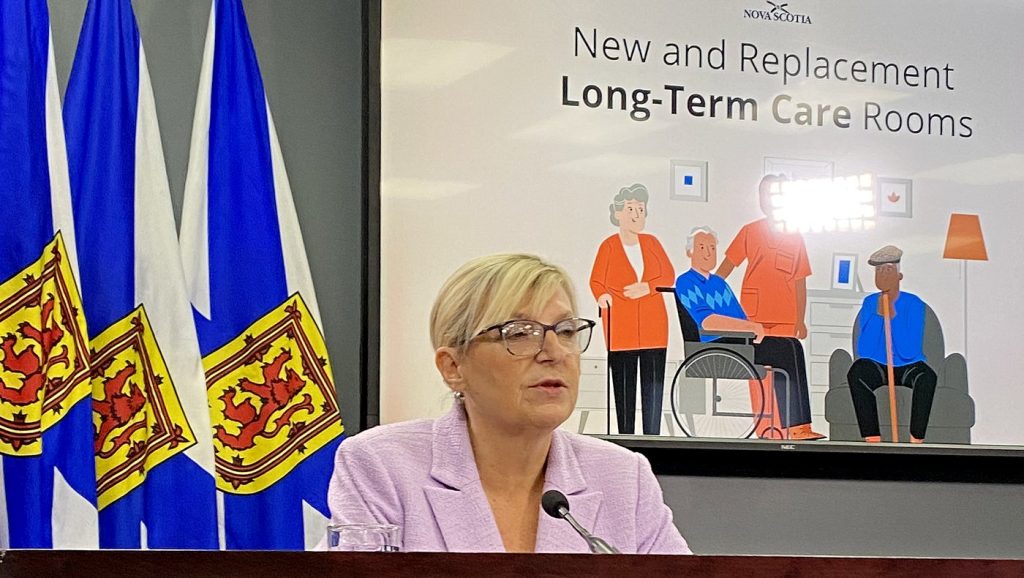
Barbara Adams, Nova Scotia's Minister of Seniors and Long-Term Care, acknowledged the challenges that the labor action could bring. However, she has assured the public that agreements are in place to ensure that essential care remains uninterrupted during the strike. The government has been in discussions with CUPE in an effort to reach a resolution that would avoid prolonged disruption in the critical services provided to the elderly and dependent individuals in long-term care homes.
The step taken by CUPE workers reflects a growing trend among healthcare professionals who are increasingly vocal about their demands for better wages and working conditions. With a significant number of care staff involved in this strike action, the implications for the long-term care system in Nova Scotia could be substantial, affecting not only the workers but also the residents who rely on their services.
This report by The Canadian Press was initially published on April 13, 2026, underscoring the ongoing struggles within the labor market in the province. As negotiations continue, the outcome will likely have a lasting impact on the future of long-term care in Nova Scotia, setting a precedent for how essential workers are treated and compensated.








