

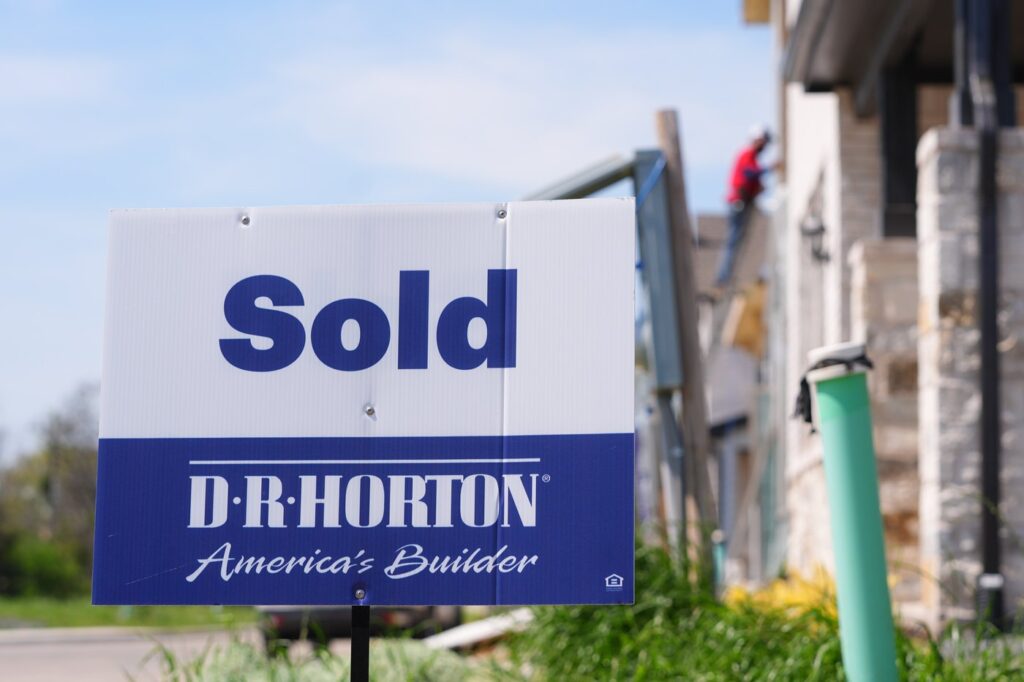
Economists at the White House estimate that the United States is facing a significant housing shortage of about 10 million homes. A new report reveals that regulatory reforms could enhance construction efforts, potentially stabilizing home prices, increasing ownership rates, and fostering more robust economic growth. This analysis is part of the Economic Report of the President, presenting both a challenge and an opportunity for President Donald Trump as he navigates a political landscape marked by declining public approval linked to various pressing issues such as his tariffs, the ongoing Iran war, and unfulfilled promises to reduce inflation.
In March, Trump issued two executive orders aimed at alleviating housing regulatory burdens and facilitating access to mortgages through smaller banks. However, he has been criticized for not taking further decisive action to prioritize housing costs, which have become a significant concern for voters, particularly those under 40. The White House has been attempting to emphasize housing and affordability issues in preparation for the upcoming midterm elections but has been sidetracked by global developments.
The Iran war has notably contributed to escalating home purchase costs, with average mortgage rates for 30-year loans rising from just under 6% to 6.37%. Trump has publicly expressed a desire to keep home prices elevated to protect the interests of current homeowners, stating, “I don’t want to drive housing prices down. I want to drive housing prices up for people that own their homes.” This stance reflects a broader strategy as the administration seeks to frame housing challenges as a vital issue for the middle class and the economy as a whole.
The housing chapter of the annual economic report outlines a vision of how increasing home construction can alleviate concerns for the middle class and provide a platform for Trump to present to voters. The report, assembled by the White House Council of Economic Advisers, suggests that if homebuilding had maintained its historical pace following the 2008 financial crisis, an additional 10 million homes would be available in the country. This crisis was significantly fueled by defaults in the housing market, largely due to flawed lending practices.
Since the year 2000, home prices have surged by 82%, while incomes have only risen by 12%, a disparity initially masked by historically low mortgage rates. However, following post-pandemic inflation, rising mortgage costs have made home ownership a pressing concern for many potential buyers. The White House asserts that its regulatory changes and plans to purchase mortgage-backed securities demonstrate the administration's commitment to addressing housing challenges.
The report identifies various regulations, described as a “bureaucrat tax,” that add over $100,000 to the cost of home construction. These expenses include compliance with evolving building codes, zoning fees, and other associated costs. By alleviating some of these regulatory burdens, the report estimates that construction could result in the development of approximately 13.2 million homes, contributing an average of 1.3 percentage points to annual economic growth over the next decade and potentially creating around 2 million jobs in manufacturing and construction.
In an effort to further stimulate housing development, the Trump administration could link federal funding to state and local governments to the reduction of specific regulations. Additionally, the report criticizes green energy housing standards introduced during the Biden administration as a factor driving up construction costs, highlighting that compliance with these standards could add up to $31,000 to the cost of new homes. However, eliminating these standards may lead to higher long-term utility costs for homeowners.
The actual savings from such regulatory rollbacks remain uncertain due to ongoing legal challenges and varying state practices. A recent ruling by a federal judge in Texas supports the argument that these federally-backed housing standards may be unlawful, which could further complicate the regulatory landscape for housing construction.








