

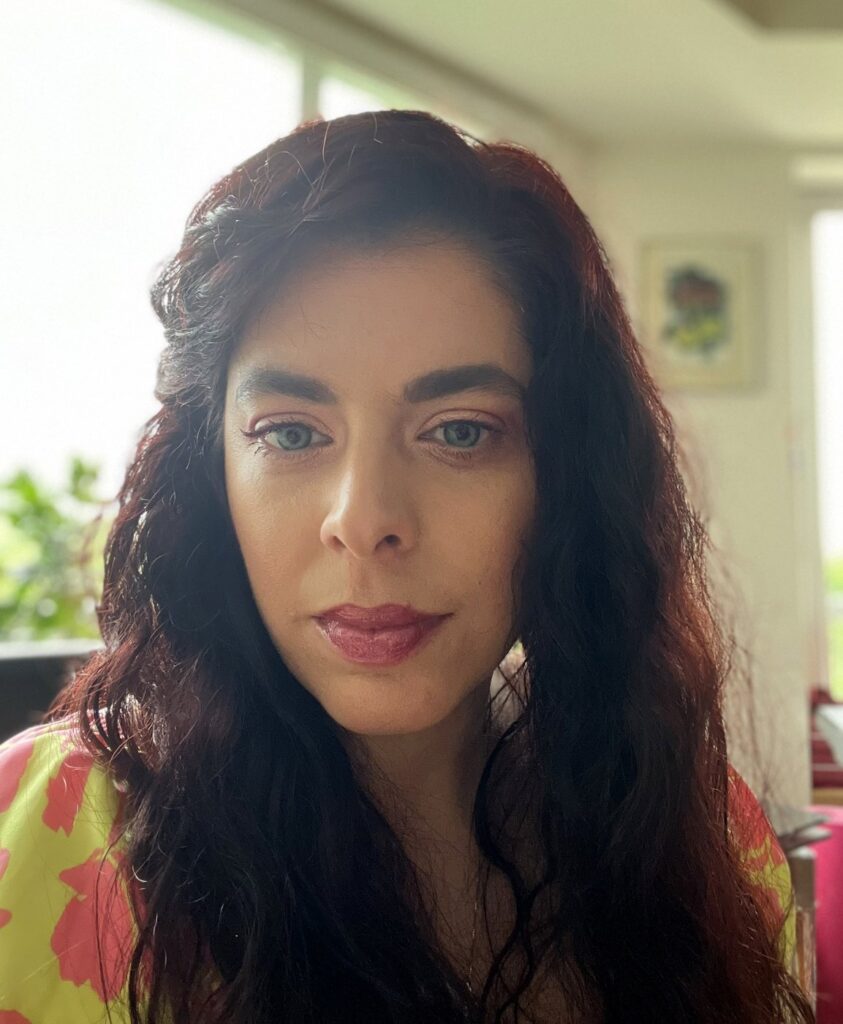
Maryam Amini's family has celebrated Nowruz, the Persian New Year, as a significant event for nearly three decades since moving to Canada. Each year, they gathered to exchange laughter and well wishes, marking the arrival of spring with cultural festivities. However, this year marked a departure from tradition as the family chose to forgo the celebration due to the ongoing war in Iran, their home country.
Amini, a resident of Thornhill, Ontario, expressed that their decision was influenced by the desperate situation in Iran. “We didn’t see anything good coming out of this,” she stated in an interview, emphasizing the emotional toll that the distant conflict has taken on her life in Canada. The war has severely affected her mental wellbeing; she reported difficulties with eating, sleeping, and maintaining productivity due to anxiety over the situation back home.
The current conflict escalated following the attacks by the United States and Israel on Iran on February 28, which resulted in the death of the country’s supreme leader. The assaults prompted retaliatory missile strikes by Iran on U.S. and Israeli targets throughout the Middle East. The ongoing violence has awoken long-buried traumas from Amini's childhood during the Iran-Iraq War in the 1980s, leading her to feel increasingly anxious and ultimately requiring her to start anti-anxiety medication for the first time in her life.
As the war has progressed, the international response has included actions like the imposition of a naval blockade by the U.S. of all Iranian ports, which has created added instability in global oil supplies and economic conditions. Amini mentioned her skepticism regarding the potential for lasting peace, doubting that the warring parties would engage in negotiations with genuine intentions. Her concerns also extend to fears about the political landscape should a ceasefire lead to a more hardline government in Iran after the killing of a leader she described as the "most moderate" in the regime.
Alongside Amini, Mona Ghassemi, the Montreal-based president of the Iranian Canadian Congress, echoed sentiments of fear and anxiety shared within their community. Ghassemi called rhetoric from U.S. President Donald Trump regarding the population of Iran as “genocidal speech,” emphasizing the emotional distress it causes for many Iranian Canadians. Despite not having personal losses directly, she highlighted the constant worry for family members residing in a conflict zone.
Ghassemi described the emotional turmoil experienced during meetings held by the Iranian Canadian Congress as many members arrived in distress over the situation in Iran. While she works in software development, the war prompted her to temporarily step back from her job to focus on advocacy efforts aimed at ending the conflict.
Dr. Sarah Sabri, a researcher at Dalhousie University in Halifax, shared her own concerns about family members in Iran, especially her father, who has been unable to return since visiting in November. The impact of the war has hit close to home for her as well, with friends suffering losses due to the bombings. She expressed that while this year’s Nowruz was not celebratory, her family still gathered to wish for a better future for their homeland.
Despite the challenges, Sabri remarked on the resilience of the Iranian Canadian community in Halifax, stating that they have come together in support of one another during these trying times. “We try to get together, go for a walk, and just be with each other,” she noted, highlighting the communal spirit amidst adversity. This report illustrates the profound emotional and psychological effects of the Iranian conflict on those living thousands of kilometers away, revealing a community grappling with anxiety and loss while striving for hope and solidarity.








