

In Atlanta, the political landscape appears starkly different for the Democratic gubernatorial candidates ahead of the upcoming Georgia primaries. Unlike four years ago when Stacey Abrams generated significant excitement, the 2026 race has so far attracted less attention and funding, despite a potentially favorable environment for Democrats.
The Democratic candidates face an uphill battle as they compete for their party’s nomination, with the primary set for May 19. National leaders are aware of the stakes, with Kentucky Governor Andy Beshear emphasizing the importance of Georgia and promising financial support for the eventual Democratic nominee. “We’re going to make sure the Democratic candidate in Georgia has the funding they need to compete,” Beshear stated during his visit to Atlanta.
Currently, the dynamics favor Republican candidates, who have invested nearly $100 million in advertising compared to the Democrats’ $1.24 million. This financial disparity raises concerns that Democrats might again miss an opportunity to reclaim the governor's office, which they haven't held since 1998. Observers predict that no candidate will secure a majority in the primary, leading to a likely runoff.
Former Atlanta Mayor Keisha Lance Bottoms is a prominent candidate and may leverage her strong name recognition and historical support from Black women in Georgia. However, competition for a second spot in the primary is wide open, with notable challengers including former Lt. Gov. Geoff Duncan, former State Senator Jason Esteves, and Mike Thurmond, the former state labor commissioner.
On the GOP side, health care billionaire Rick Jackson has already committed or pledged $50 million to his campaign, outpacing any previous primary candidates in Georgia. Other significant contenders include Lt. Gov. Burt Jones, endorsed by former President Donald Trump, and Secretary of State Brad Raffensperger.
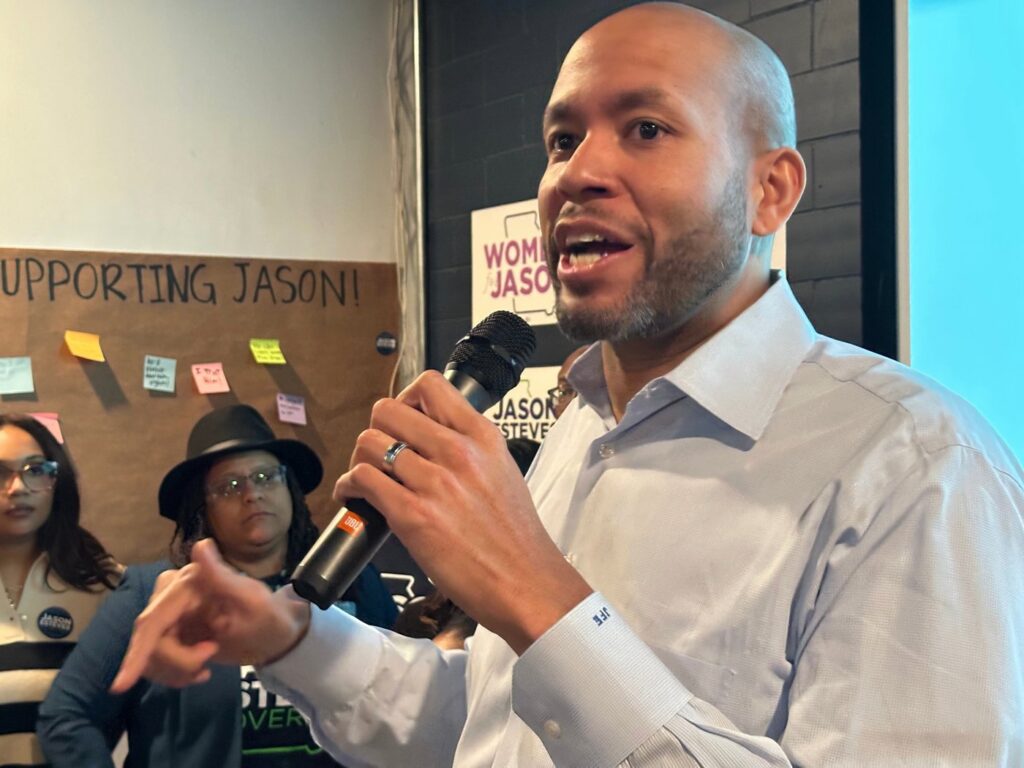
The current Democratic race lacks the policy rifts seen in other states, with candidates showing minimal differences in their platforms. Esteves is the only one actively challenging Bottoms, criticizing her tenure as mayor and her decision not to run for reelection. Esteves, who is positioning himself as a fresh face, hopes that his late marketing push will help him secure a runoff spot.
During the most recent televised debate, the candidates displayed a largely non-combative demeanor. Esteves, however, took a more aggressive stance, questioning Bottoms’ leadership during her mayoral term and criticizing Duncan's legislative history as lieutenant governor.
In the debate, Duncan expressed his commitment to earning voters’ trust, leveraging his position as a former Republican who opposed Trump’s efforts to overturn the 2020 election results. He has begun to attract support from moderate Democrats. Meanwhile, Thurmond emphasizes his extensive experience in various governmental roles, presenting himself as a “throwback” leader focused on delivering results rather than making promises.
As the primaries draw nearer, the contrasts between the candidates will become clearer, with funding and strategic positioning likely playing critical roles in shaping the outcome of the Democratic primary. The race remains fluid, with each candidate aiming to define themselves and appeal to Georgia's diverse electorate in their pursuit of a crucial gubernatorial seat.








