

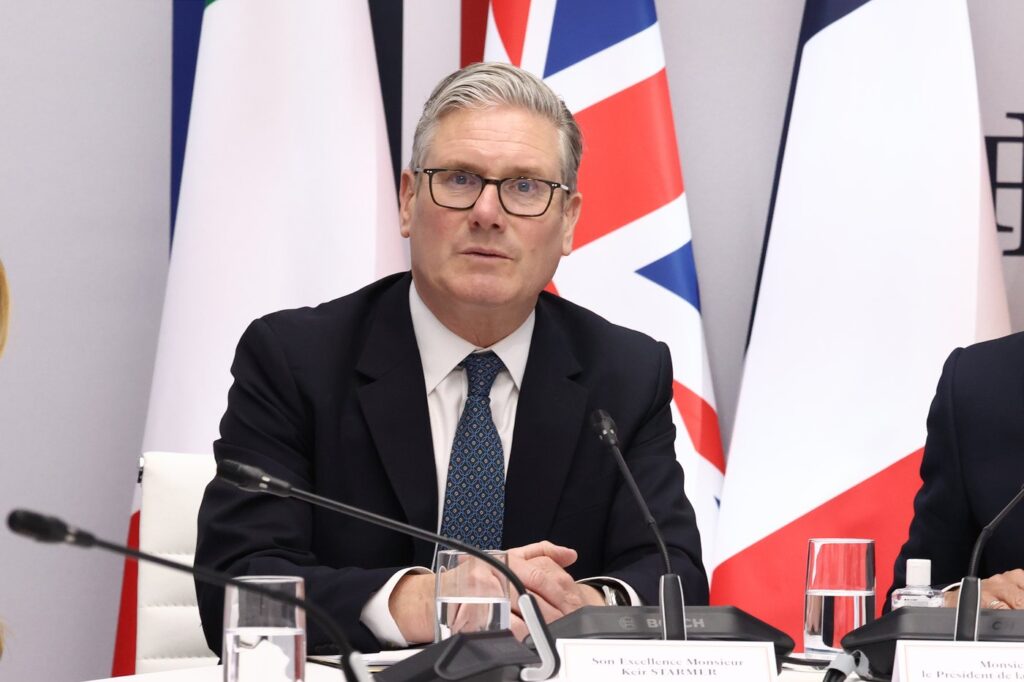
LONDON (AP) — British Prime Minister Keir Starmer is once again facing scrutiny over his leadership, largely due to his controversial decision to appoint Peter Mandelson as the U.K. ambassador to the United States. This appointment has drawn significant criticism because Mandelson is known to have been a close associate of the convicted sex offender Jeffrey Epstein.
Just two months prior, Starmer faced intense backlash regarding this appointment, which led some members of his Labour Party to suggest he should resign. Now, he is dealing with accusations that he misled Parliament about the vetting process that allowed Mandelson to obtain this high-profile diplomatic position, which he was subsequently removed from nine months later.
Starmer's integrity is under the microscope, particularly since he campaigned on a platform promising to enhance transparency and honesty in British politics. Following a tumultuous period marked by scandals involving former Prime Minister Boris Johnson, Starmer has positioned himself as a contrast to Johnson’s approach. However, the recent developments surrounding Mandelson could severely undermine his credibility, with concerns that voters may now see him not only as a potential liar but also as a hypocrite.
Recent revelations from The Guardian have disclosed that Mandelson was initially denied security clearance for the ambassador role, raising questions about Starmer's assurances to Parliament that "full due process" had been followed. The fallout from this situation has already triggered the resignation of Olly Robbins, the Foreign Office's top civil servant, illustrating the high stakes involved.
Amid these controversies, Starmer has expressed his anger and frustration over being left uninformed about the nuances of the vetting process, which assessed Mandelson’s suitability and connections, including those to Epstein. He has characterized this oversight as "staggering" and "unforgivable," vowing to address the allegations in a statement to Parliament on Monday.
The political landscape for Starmer appears bleak, especially in light of upcoming elections in May, where Labour is expected to face significant losses. Although Starmer has managed to maintain some support within his party thus far, the enormity of the Mandelson scandal may change this dynamic swiftly. Kemi Badenoch, leader of the Conservative Party, has publicly declared the urgency of the situation, stating that Starmer's leadership is now untenable, and he must resign.
Starmer's decision to appoint Mandelson was calculated; it was believed that Mandelson's lobbying expertise could mitigate the impact of potential tariffs from the Trump administration. However, this decision has since been called into question, particularly following the release of emails that revealed Mandelson maintained a relationship with Epstein even amid serious allegations against him. Consequently, Starmer has faced backlash, having to apologize to the public for trusting Mandelson's assertions.
In light of the escalating crisis stemming from this scandal, Starmer’s ability to instigate change within his party could be jeopardized. The sentiment among Labour lawmakers will be crucial in determining Starmer's fate when he makes his forthcoming statement. As confidence in political leadership can vacillate rapidly, Starmer’s position now hangs precariously in the balance, reflecting broader concerns about accountability in British politics.








