

Every day, Sukhmani, an 11th grader from Scarborough, carefully ties her turban, a practice deeply embedded in her faith, discipline, and identity. However, she has become acutely aware of her identity due to the visible nature of her turban. Sukhmani expresses her struggles, stating, “They are making fun of the fact that I am wearing a Dastaar now, making fun of the fact of me being vegetarian, making fun of the fact that I have hair on my arms and my legs. It’s really not the most encouraging thing to go through, especially right after the pandemic.”
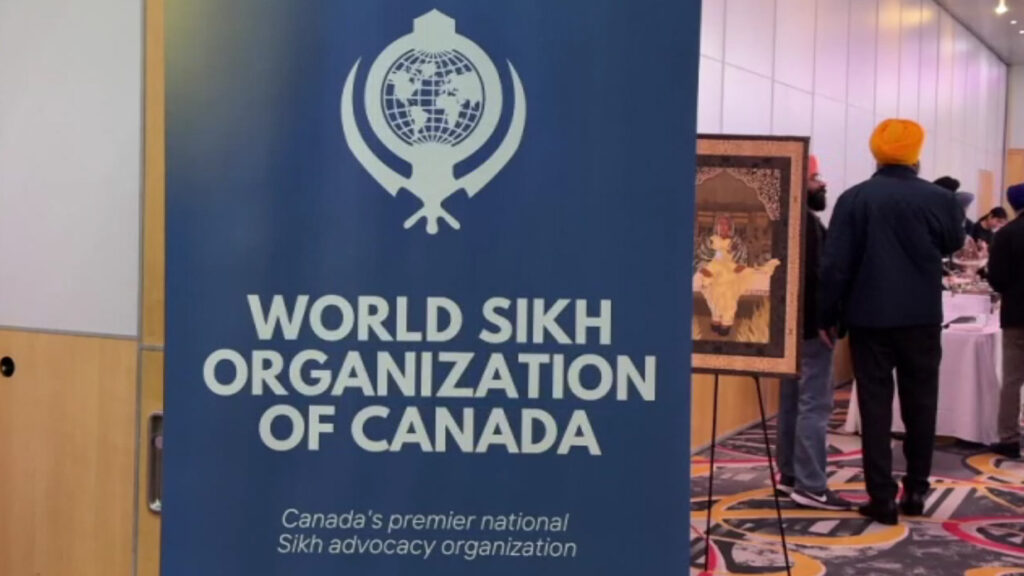
Sukhmani's experience is not unique. A recent national report released by the World Sikh Organization of Canada reveals that over 80 percent of Sikh Canadians believe discrimination and hate against Sikhs has increased in the last five years. The report outlines that verbal harassment is the most common form of hate, based on data collected from over 1,600 Sikh Canadians between January 1 and March 1, 2025.
She narrates her feelings from elementary school, highlighting that the perception of being different significantly affected her self-esteem. "When I was in elementary school, there was a lot of standing out, being different from everyone else, to a point where everyone was like, 'Hey, you are different than us, and therefore we are not going to treat you the same way as we treat everyone else,' and that kinda took a toll on what I thought of myself," she recounts.
The WSO report resonates with the lived experiences of many Sikhs across Canada, as other statistics, including those from Statistics Canada, also denote a rise in hate-motivated incidents throughout the country, specifically targeting South Asian communities. A report from the Institute of Strategic Dialogue reveals a worrying trend in anti-South Asian hate speech in Canada, particularly affecting the safety of international students and visible minority groups.
Reena Kukreja, a professor of global studies at Queen’s University, states, "What I have found is a sharp spike in everyday hate from ordinary Canadians against Indian International students. They hear comments like, ‘Go back to your country,’ accompanied by racial slurs, and experience unwelcomeness in public spaces." These experiences contribute to what Kukreja describes as racial trauma within these communities. She notes that visible markers of faith and identity, such as turbans, often lead to individuals being targeted more frequently, especially in an era increasingly rife with online misinformation and anti-immigrant sentiment.
Kukreja elaborates on the vulnerabilities faced by individuals displaying distinctive features, pointing out that their public-facing roles, such as working in restaurants, expose them to greater risks. "If you see they are visible, not just because of their visible distinctiveness, but also because of the sheer numbers. So those in itself fuse together to make them easy targets," she emphasizes.
In light of the alarming rise in hate incidents, the World Sikh Organization of Canada is urging the federal government to recognize anti-Sikh hate within Canada’s forthcoming Anti-Racism Strategy. They advocate for improved data collection specific to Sikh communities and push for enhanced awareness and educational initiatives across various institutions. Furthermore, the organization's research indicates that the growing anti-immigrant narratives may be linked to an increase in far-right sentiments globally, which contribute to a shift in public perception toward identifiable communities.
Sukhmani hopes that these troubling experiences will be acknowledged and that future generations will feel safer and more confident in expressing their identities. "That’s where it is our job to educate them properly about what it is," she asserts, underscoring the importance of fostering understanding and acceptance in society.








