

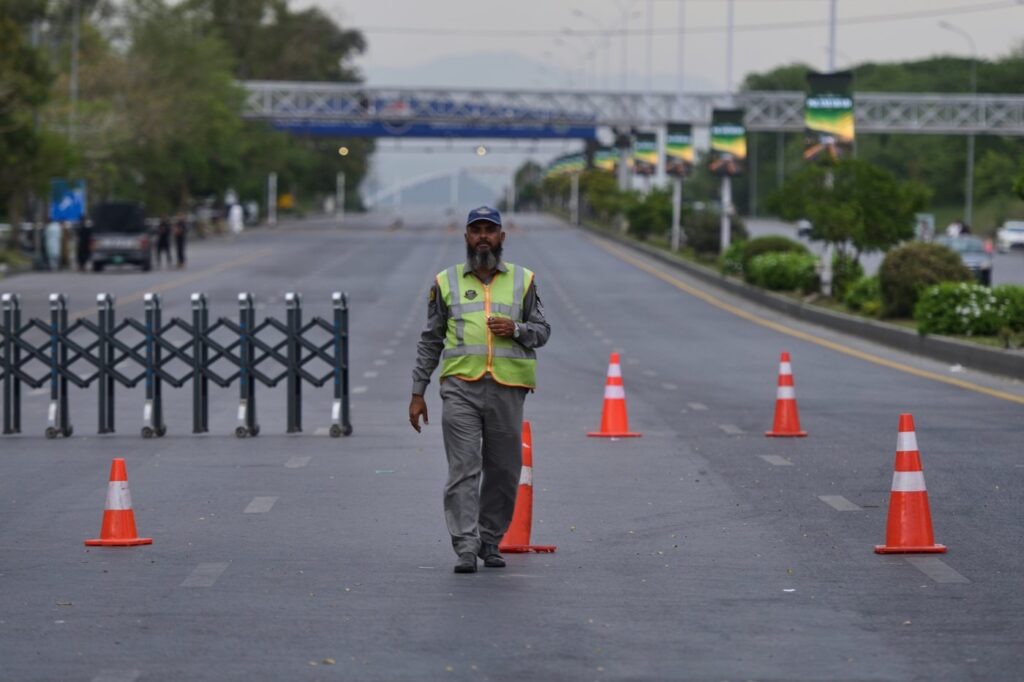
ISLAMABAD (AP) – U.S. envoys are scheduled to arrive in Pakistan this Saturday in an effort to revive ceasefire discussions with Tehran. This comes amidst a backdrop where Iran has signaled it will only engage in indirect negotiations, following the arrival of its Foreign Minister Abbas Araghchi in Islamabad. The latest diplomatic initiative coincides with an indefinite ceasefire that has halted most hostilities in the ongoing conflict, yet the economic repercussions have continued to escalate due to disruptions in global energy shipments stemming from the closure of the Strait of Hormuz.
The plan to rekindle U.S. and Iranian dialogues is being supported by Pakistan, which has taken on the role of mediator following a recent announcement by President Trump extending the ceasefire. This extension was implemented in response to Islamabad's appeal for additional time to facilitate diplomatic outreach. The U.S. delegation comprises Steve Witkoff and Jared Kushner, who will be tasked with meeting Araghchi. However, Iran's foreign ministry announced that any discussions would be conducted indirectly, with messages being relayed through Pakistani officials.
Prior to this development, Araghchi and the two U.S. envoys engaged in indirect talks regarding Tehran’s nuclear program in Geneva on February 27, but these discussions did not yield a conclusive agreement. This was shortly followed by the initiation of military actions against Iran by Israel and the United States. According to White House Press Secretary Karoline Leavitt, this recent trip is intended for the envoys to “hear the Iranians out,” although she noted there was no detailed information shared about any progress made during discussions.
Alongside these diplomatic efforts, President Trump has also announced a 90-day extension of the Jones Act waiver. This waiver is intended to facilitate the transportation of oil and natural gas by non-American vessels, an initiative aimed at stabilizing energy prices amidst the turmoil impacting shipments due to the strategic Strait of Hormuz’s closure. Since its inaugural 60-day waiver was declared in March, the U.S. has faced challenges regarding oil and gas supplies, as approximately a fifth of the world’s oil supplies traverses this key waterway during peaceful times.
Meanwhile, Iran continues to assert control over the Strait of Hormuz, with recent attacks on three vessels. The U.S. has responded by maintaining a blockade on Iranian ports and has issued orders to the military to “shoot and kill” small boats suspected of placing mines. Brent crude oil prices, which are pivotal in the global market, fluctuated between $103 and $107 a barrel, signaling nearly a 50% increase since February 28 when the conflict initially escalated.
The ongoing war has inflicted a significant human toll. Current reports indicate that at least 3,375 individuals have died in Iran, alongside 2,490 in Lebanon amid fresh confrontations involving Israel and Hezbollah, the Iranian-backed militant group. Additionally, Israel has reported 23 fatalities and over a dozen have been killed across Gulf Arab states, including 15 Israeli soldiers in Lebanon and 13 U.S. service members in the region. The United Nations peacekeeping force, UNIFIL, has also faced casualties, with six members, including four Indonesians and two French soldiers, reported dead since the onset of hostilities.
Despite the announced ceasefire extension between Israel and Hezbollah, tensions persist in Lebanon. Israeli Prime Minister Benjamin Netanyahu expressed optimism about the prospects for peace following the ceasefire extension, while the Israeli military has requested residents in southern Lebanese villages to evacuate due to anticipated attacks from Hezbollah. The Israeli forces continue to engage in aerial defenses, including the downing of drones over Lebanese territory, as hostilities linger.








