

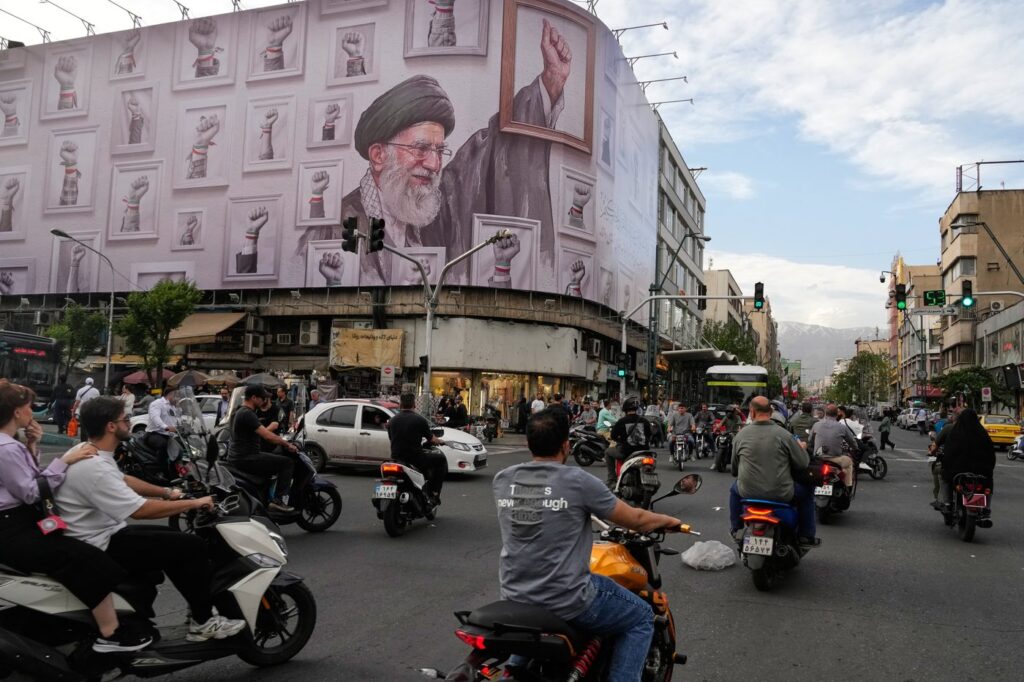
DUBAI, United Arab Emirates (AP) – Tensions between Iran and the United States have intensified as both sides stand at an impasse regarding the ongoing conflict. A ceasefire between the parties is showing signs of strain as they have engaged in recent exchanges of fire, targeting ships and Gulf states. Meanwhile, clashes between Israel and the Lebanese militant group Hezbollah continue to flare up, heightening concerns of a return to open warfare in the Middle East.
The precarious situation threatens to exacerbate the ongoing global energy crisis, primarily due to Iran's control over the Strait of Hormuz, a crucial transit point for oil and natural gas exports, and the continued U.S. blockade of Iranian ports. U.S. President Donald Trump is set to embark on a trip to China this week in an effort to persuade Chinese President Xi Jinping to exert pressure on Iran for concessions that could break the stalemate. China remains the largest buyer of Iranian crude oil, granting it significant influence over Tehran's decisions.
Negotiating a resolution is proving to be a complex task. Iran demands an end to the U.S. blockade and the lifting of sanctions before it will engage in any discussions regarding its stockpile of highly enriched uranium. In contrast, both the U.S. and Israel emphasize the necessity of removing this uranium, which could potentially be repurposed for nuclear weapons development. Although Iran maintains that its nuclear program is for peaceful purposes, it has enriched uranium levels beyond what is considered acceptable for civilian energy generation.
Israeli Prime Minister Benjamin Netanyahu has reiterated that the conflict is far from finished, explicitly stating that a primary goal remains the extraction of nuclear material from Iran. In a recent interview on CBS's "60 Minutes," Netanyahu declared that if negotiations fail to achieve this aim, Israel and the U.S. would be prepared to consider military engagement once more.
During a press conference, Trump expressed his dissatisfaction with Iran's response to his latest proposal, labeling it "TOTALLY UNACCEPTABLE!" This rejection underscores the challenges ahead, as settling on terms favorable to both parties appears elusive. The U.S. and Israel have already dealt significant blows to Iran’s leadership, including the assassination of several high-ranking officials, yet the Iranian government has managed to retain its authority amidst the conflict.
Iran and the U.S. continue to trade blame for the current situation. On Sunday, an Iranian proposal was transmitted to Trump via Pakistan, demanding war reparations, full sovereignty over the Strait of Hormuz, an end to sanctions, and the release of Iranian assets frozen abroad. Additionally, Iran called for an immediate cessation of hostilities, particularly between itself and Hezbollah, which has engaged in retaliatory strikes against Israel.
Iran's Foreign Ministry spokesman, Esmail Baghaei, maintained that Iran has requested no concessions but rather sought acknowledgment of its legitimate rights, while accusing the U.S. of maintaining unreasonable demands. Notably, Iran did offer to dilute part of its highly enriched uranium and transport the remaining stockpile to a third country, suggesting a potential avenue for compromise in ongoing negotiations.
Russian President Vladimir Putin has offered to facilitate the removal of uranium from Iran, drawing on his country's existing relationship with Tehran in managing its nuclear assets. In response to inquiries about this proposal, Baghaei stated that Iran's immediate priority is to terminate the ongoing war.
In the midst of these international tensions, Iran has escalated its domestic crackdown, executing an individual accused of espionage for the CIA and Israel’s Mossad. The state-run IRNA news agency reported that the executed man, identified as Erfan Shakourzadeh, had been involved in satellite communications and allegedly disseminated sensitive information. Since the onset of widespread protests in January, Iran has faced criticism for conducting secret trials, which deny defendants the opportunity for adequate defense.








