

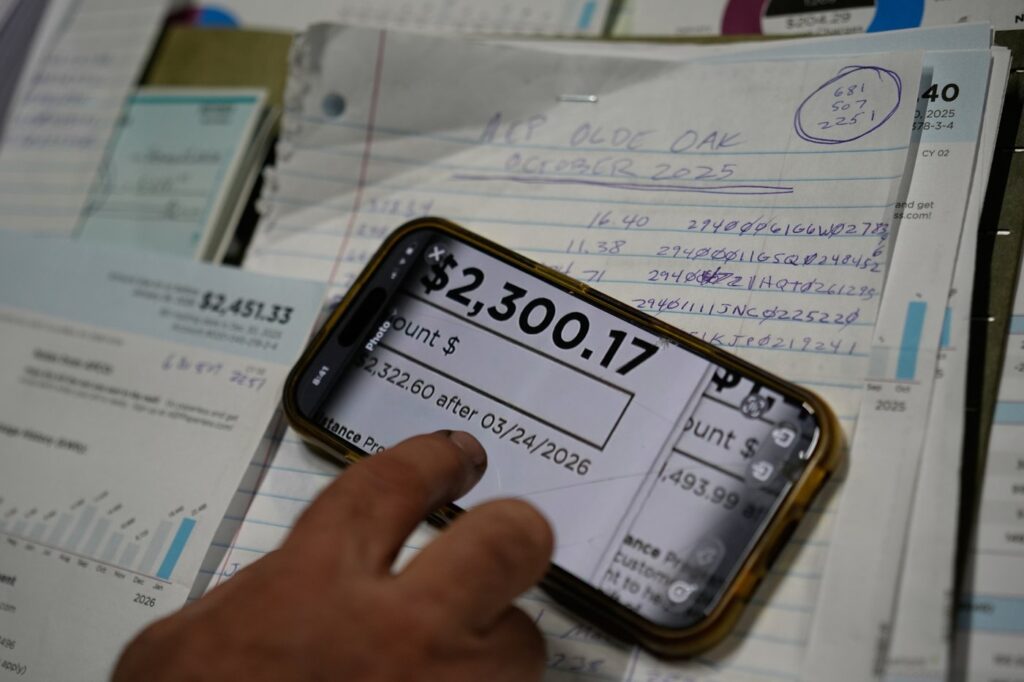
The artificial intelligence boom is igniting disputes across various states regarding rising utility profits, as numerous officials and lawmakers express concern over increasing electricity bills that burden cash-strapped residents. States such as Arizona, Indiana, Maryland, New Jersey, New York, and Pennsylvania are actively pursuing measures to block proposed rate increases, with some officials advocating for a complete overhaul of the financing model for major utility upgrades.
This push for reform comes during a midterm election year, where the theme of affordability is pivotal for Democrats aiming to diminish Republican control in Washington. In Arizona, Attorney General Kris Mayes is notably challenging two rate increase requests at the state’s utility regulatory board, reflecting a broader sentiment against what she terms the "blatant corporate greed" of monopoly utilities.
The impacts of AI data centers have significantly driven up electricity prices in particular regions, contributing to a surge in energy-sector construction. While consumer advocates have long contested utility profit margins, the current climate reflects a shift, with record-high utility profits coinciding with escalating bills for consumers. According to Matt Kasper from the Energy and Policy Institute, the sector is now witnessing significant demands for energy, leading to these inflated costs.
Historically viewed as stable investment opportunities, utilities have seen their share prices thrive amid the expansion of data centers. Despite lower risks typically associated with utility investments, many of these companies—often owned by multibillion-dollar private entities—have reported robust profitability during this expansion phase. A report from the Energy and Policy Institute outlined a substantial increase in profits, with earnings for 110 for-profit utilities jumping from nearly $39 billion in 2021 to over $52 billion in 2024.
Mark Ellis, a former utility executive turned consumer advocate, posits that approximately 10% of a typical customer’s bill reflects excessive profits earned by utilities. He advocates for a shift where regulators focus on securing funding from the lowest-cost sources, akin to seeking low-interest loans.
Paul Ferraro, an economics professor at Johns Hopkins University, emphasizes that the focus on utility investment returns represents a political rather than an economic action. He warns that these measures might not address larger systemic challenges, including infrastructure modernization and the incorporation of renewable energies.
The emphasis on affordability has stirred discussions in corporate earnings calls, where utility executives, such as Travis Miller of Morningstar, prioritize cost control to shield residential customers from the exorbitant expenses incurred from servicing data centers. Executives recognize that if rates remain unaffordable, securing necessary rate increases to augment dividends for investors becomes untenable.
Utilities defend their return on investment claims, referencing federal data indicating a decline in the proportion of home electricity bills relative to household income over the last two decades. They argue that the returns granted by state regulators are crucial for maintaining and improving electric grids. However, critics label this rationale as fearmongering, suggesting that if utilities cannot provide adequate returns, investors will simply divert their funds to better opportunities in other states.
In New Jersey, the Board of Public Utilities has launched an extensive regulatory review aimed at assessing how utilities should generate revenue in a contemporary energy landscape. Similarly, Pennsylvania Governor Josh Shapiro has pressured PECO, a utility subsidiary of Exelon Corp., to rescind a proposed 12.5% rate increase, highlighting that the current utility model prioritizes corporate profitability over the needs of consumers.
In Indiana, Governor Mike Braun has appointed a new team of utility commissioners tasked with combatting rate hikes. This group is currently evaluating a 10.1% increase proposed by AES Indiana, which could be halved by adjusting return expectations from 10.7% to 8%, indicating a strong public opposition to rising utility costs.
Overall, officials across various states are increasingly vocal in advocating for reforms in utility profit structures amid the context of spiraling costs associated with the AI boom. Stakeholders are mobilizing to fight proposed rate increases and demand accountability from utility companies, illustrating a contentious landscape as the debate over energy costs and profit margins continues to evolve.








