

CANNES, France (AP) — On December 8, 1980, the same day John Lennon was tragically shot, he and Yoko Ono participated in an interview with a San Francisco radio crew from their residence at New York's Dakota Apartments. While they were primarily promoting their new album, "Double Fantasy," the two-hour conversation covered a wide range of topics beyond just music.
The interviewers had been instructed to avoid questions about The Beatles, yet Lennon and Ono displayed a remarkable openness during the discussion. Notably, on that very day, Annie Leibovitz captured the iconic portrait of a fully unclothed Lennon wrapped around Ono. Throughout the conversation, Lennon reflected on themes of love, creativity, life post-Beatles, and raising their son. At 40 years old, he expressed a newfound clarity, stating, "I feel like nothing happened before today."
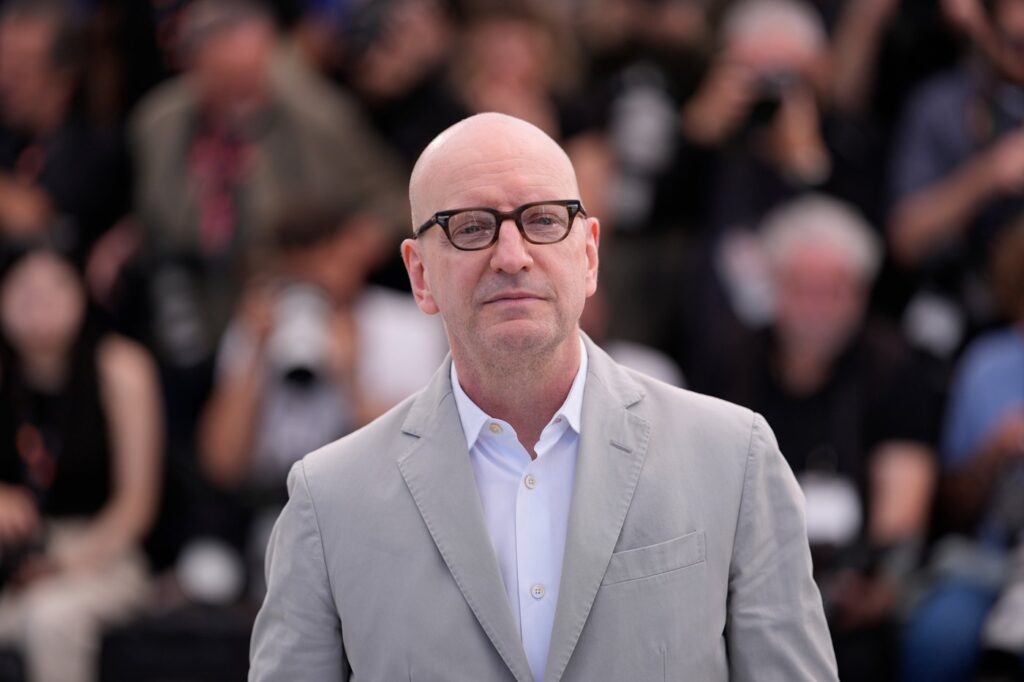
The documentary "John Lennon: The Last Interview," directed by Steven Soderbergh, transforms those archival tapes into a film that seeks to demystify both Lennon and Ono, much like Peter Jackson's "Get Back" did for The Beatles. The film premiered at the Cannes Film Festival on May 16, 2026.
Soderbergh noted in an interview that he was deeply moved by the couple's "generosity of spirit" during the conversation, describing the atmosphere as one where the entire world was distilled into a single day spent in their apartment. However, the filmmaking process presented challenges, particularly in visually interpreting the more philosophical sections of the audio, which made up a significant portion of the material.
Faced with time and budget constraints, Soderbergh turned to Meta's artificial intelligence software to generate visual imagery for approximately 10% of the film. The decision stirred controversy, with critics at Cannes condemning the AI-generated visuals as lackluster, sparking a larger debate within the industry about the role of AI in filmmaking. For Soderbergh, who is known for his innovative approaches such as filming on iPhones, the conversation about AI's place in cinema is one he welcomes.
In response to questions about his use of AI, Soderbergh emphasized the importance of transparency in the creative process. He commented, "It's crucial that we understand how technology is being utilized and the potential manipulations involved." He acknowledged being aware of the backlash his decision might generate but felt a responsibility to offer an honest portrayal of his artistic choices.
When asked if he foresees AI as a threat to the film industry, Soderbergh expressed that most vital roles in filmmaking would always require human creativity. He explained, "As technical perfection becomes more attainable, the value of imperfection and unique human touch will rise." He believes it is necessary to explore the boundaries of AI in film, even if it means facing criticism. "How do you know where the line is until somebody crosses it?" he asked.
Soderbergh described how he prompted the AI to produce visuals, conveying ideas that might be difficult to articulate. His approach stemmed from the need to complement the dialogue with appropriate imagery, stating, "I needed a way to follow them in flight visually, or I'm not doing my job." He anticipated a gradual adjustment to the integration of AI in filmmaking, as each creative discipline would interact with technology differently.
The conversation captured in the documentary is profound and resonates with Soderbergh's hope that audiences, particularly younger viewers, will appreciate Lennon's candid honesty and his desire to explore better ways of being human. Soderbergh highlighted Lennon’s relentless quest to dismantle the archetype of the male rock star, emphasizing that Lennon's truthfulness lasted from the beginning of his career through to his final day.








