

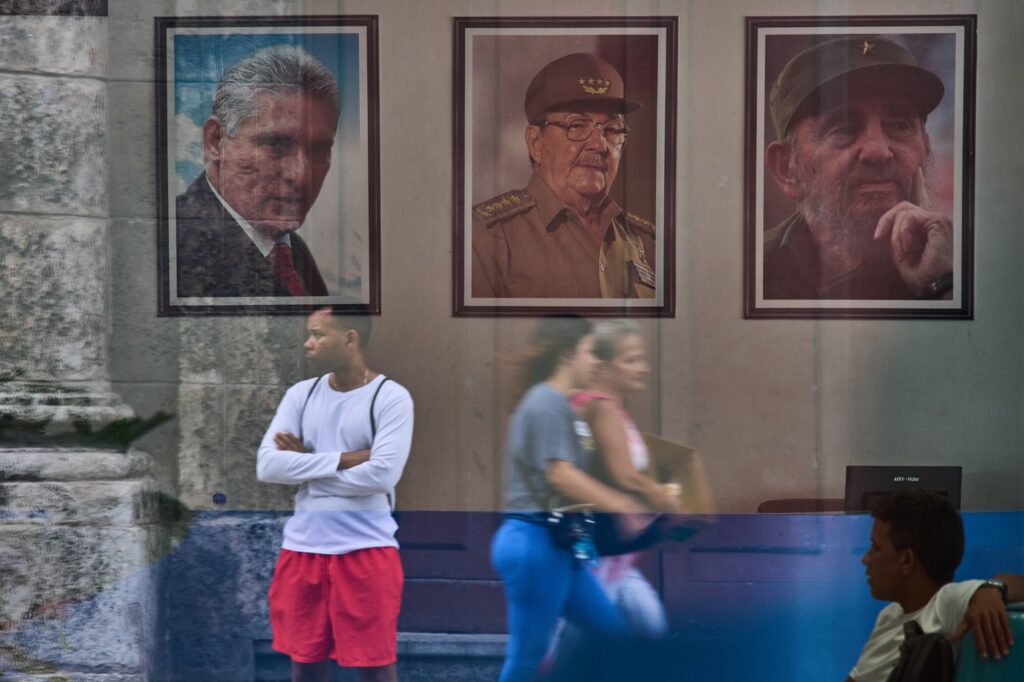
From May 15 to 21, 2026, significant political and social events unfolded across Latin America and the Caribbean, drawing international attention. In a pivotal development, U.S. prosecutors initiated criminal charges against former Cuban President Raúl Castro. This move was part of a broader strategy by the Trump administration aimed at intensifying pressure on Cuba's socialist regime, specifically concerning the tragic downing of civilian aircraft in 1996, which had been flown by exiles based in Miami. The decision to pursue legal action against Castro marked a significant escalation in U.S.-Cuba relations, a topic long fraught with tension and complexity.
Bolivia, too, entered a state of turmoil as protests and blockades—led predominantly by miners and labor unions—gripped the political capital. These demonstrations served as a considerable challenge to President Rodrigo Paz, who had been in office for only six months. As activists took to the streets, their efforts brought the government to a standstill, highlighting widespread dissatisfaction over issues such as political representation and social equity. The unrest illustrated the broader discontent within Bolivian society, raising questions about the stability of Paz's administration in its early days.
In another alarming situation, alleged members of Los Ardillos, a criminal organization, launched violent attacks on communities in the state of Guerrero, Mexico. Armed with rifles and explosives, these group members unleashed chaos through gunfire, arson, and drone strikes, forcing hundreds of residents to abandon their homes. The violence further exacerbated the already precarious security situation in the region, compelling government forces to respond amid fears that the situation could spiral further out of control. These events demonstrated the grave challenges facing Mexican authorities in combating organized crime, which poses a significant threat to civilian life.
In cultural highlights, the region maintained its vibrancy despite the political and social upheaval. In Lima, Peru, a harpist captivated audiences with a performance in the city’s downtown. Meanwhile, in Mexico City, popular singer Gloria Trevi entertained crowds at the Tecate Emblema music festival, providing a welcome distraction from the realities of everyday life amid rising tensions. Such cultural events underscore the resilience and spirit of the people in the face of adversity.
Also worth noting, within sports, the Copa Libertadores continued to attract attention as teams like Uruguay's Peñarol and Brazil's Corinthians competed fiercely in Montevideo, reflecting the deep-rooted passion for soccer in South America. Such events not only serve as entertainment but also symbolize unity and national pride in a region often beset by division.
Environmental issues came to the fore as well, with reports revealing alarming levels of untreated sewage polluting the Tiete River in Salto, Brazil. The foam on the river's surface was a stark reminder of the ongoing challenges related to water management and environmental health, which continue to pose a risk to local communities and ecosystems.
This week of May 15-21, 2026, thus encapsulates a significant moment in Latin American and Caribbean history, marked by profound political challenges, cultural expressions, and pressing environmental concerns. These events collectively shape the ongoing narrative within the region, representing a complex interplay between governance, social justice, and community resilience.








