

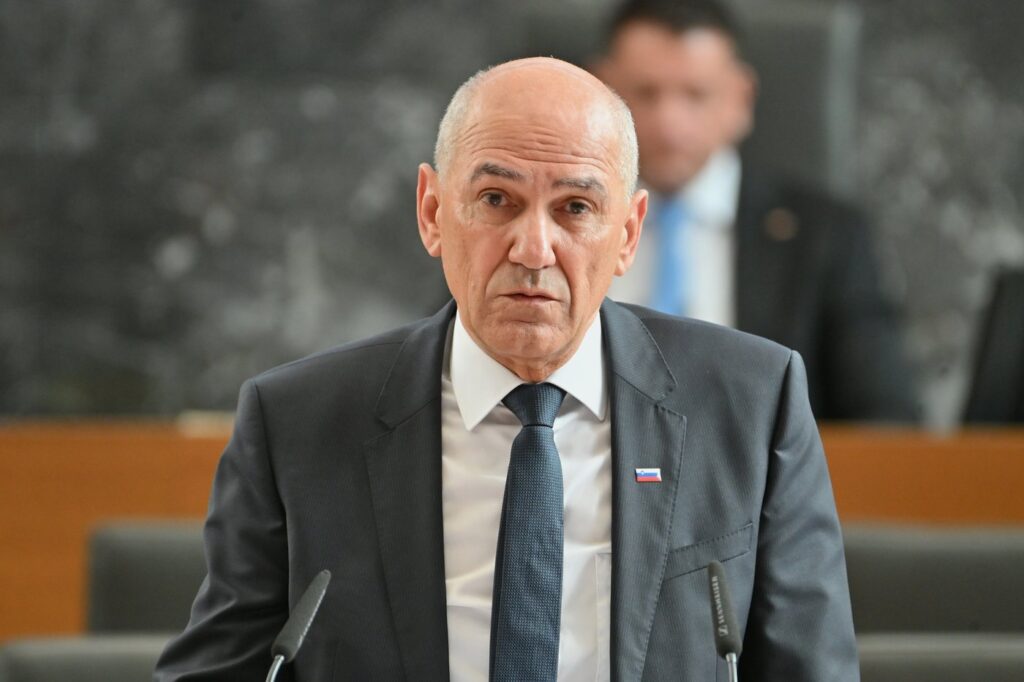
LJUBLJANA, Slovenia (AP) — Slovenia's parliament has appointed right-wing populist politician Janez Jansa as the new prime minister on a significant shift for the small European Union country that was previously governed by a liberal administration. Lawmakers in the 90-member assembly voted 51-36 in favor of Jansa's appointment.
Jansa's ascension to the premiership brings to a close a period of political deadlock following a parliamentary election two months prior that ended in a near tie. Former Prime Minister Robert Golob of the Freedom Movement narrowly won, but failed to secure a parliamentary majority to form a government.
The Slovenian Democratic Party, led by Jansa, reached a coalition agreement with several right-wing groups, including the nonestablishment Truth party that originated from an anti-vaccination movement during the COVID-19 pandemic.
This term marks Jansa's fourth in office, as he embarks on his role at 67 years old. Known for his admiration of U.S. President Donald Trump, he previously maintained a close alliance with former Hungarian Prime Minister Viktor Orbán, who was recently defeated in a landslide election.
In his initial speech, Jansa outlined key objectives for his government, emphasizing economic improvements, the fight against corruption and bureaucratic red tape, and decentralization. He has pledged to implement tax reductions for the wealthy while promoting private education and healthcare systems.
Jansa criticized the former government's alleged "inefficiency," asserting that his administration aims to transform Slovenia into "a country of opportunity, prosperity, and justice, where each responsible citizen will feel safe and accepted.” This sentiment echoes a populist rhetoric similar to that of Orbán, particularly regarding immigration issues observed during the 2015 migrant crisis.
His previous tenure between 2020 and 2022 was characterized by accusations of undermining democratic institutions and press freedoms, drawing significant public protests and scrutiny from the European Union. Golob, during his address, labeled Jansa as “the greatest threat to Slovenia’s sovereignty and democracy,” claiming that Jansa has threatened him and views dissent as unacceptable.
Moreover, Jansa has expressed robust support for Israel and has been critical of the Golob government’s decision to recognize a Palestinian state in 2024.
The recent parliamentary vote saw allegations of foreign influence and corruption, intensifying the deep divisions within Slovenia's population—approximately 2 million—between liberal and conservative factions. The political landscape remains contentious as Jansa prepares to seek parliamentary confirmation of his Cabinet within the upcoming 15 days.








