

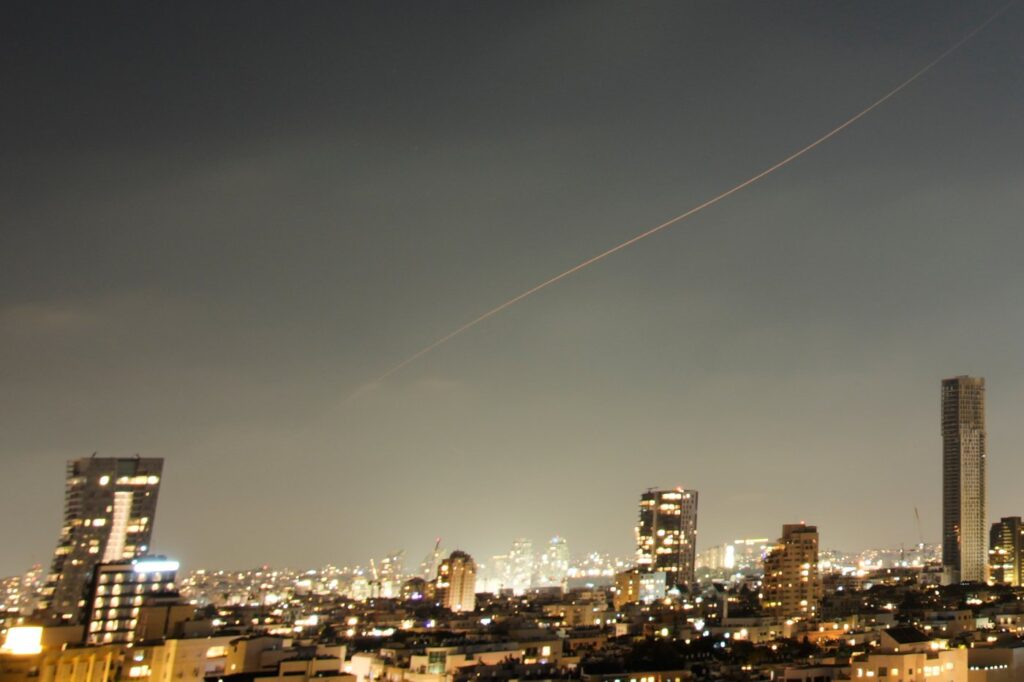
The ongoing hostilities between Israel and Iran escalated dramatically, with Israeli forces conducting strikes against Iran following missile attacks that came as part of a broader exchange of hostilities. This clash marks one of the most serious confrontations since a ceasefire was established in April, intensifying concerns regarding a potential return to large-scale fighting and complicating mediation efforts aimed at resolving the conflict.
On Monday, Iranian state television reported explosions in major cities, including Isfahan, Tabriz, and Tehran, although details regarding these incidents were initially unclear. The preceding day, Iran had launched missiles at Israel, which constituted the first such attack since the fragile ceasefire took effect in early April. Iranian officials had previously warned of retaliation against Israel's military actions in Beirut, which had occurred without notice, defying American pleas for restraint.
Israeli strikes came despite an ultimatum from U.S. President Donald Trump who had advised Israeli Prime Minister Benjamin Netanyahu against further retaliation. In a telephone interview with The Financial Times, Trump asserted that he dictated the course of action regarding the war, suggesting Netanyahu had little autonomy. "He won’t have any choice. I call the shots. I call all the shots. He doesn’t call the shots," Trump stated, illustrating the tension around U.S. influence in the situation.
Reports indicate that the Iranian media announced an Israeli strike on a petrochemical factory in Mahshahr, Khuzestan province, but failed to provide specific information on the extent of damage caused. Subsequently, Israel issued an all-clear signal after a second alert of incoming missiles from Iran, noting that there were no interceptions heard within the country. This alert was the second of its kind that day, following an initial barrage of missiles directed towards Israeli cities.
Explosions echoed across central Israel as missiles targeted areas near Dimona and Arad, the latter housing Israel's main nuclear research center. This region has been under threat previously, as Iran had targeted it in past conflicts, resulting in casualties. Notably, Israel's rescue services reported no injuries or direct impacts following missile launches originating from Yemen, where Iranian-backed Houthi rebels have been involved in prior conflicts.
In response to the rising tensions, Israel decided to cancel schools nationwide, marking the first such measure since earlier escalations in April. The Israeli military updated its guidelines, limiting large gatherings, reflecting the seriousness of the security situation arising from the threats. The Houthi rebels in Yemen, considered an Iranian proxy, have launched missiles at Israel in the past; however, their involvement has not been extensive in the current hostilities.
Saudi Arabia also reacted to the heightened tensions by sounding missile alert sirens in the vicinity of Al Kharj governorate, which is home to the Prince Sultan Air Base hosting U.S. forces. This alert followed Israeli military actions targeting Iranian interests in response to the escalating missile attacks.
As tensions persist, Iranian airspace around Tehran’s Imam Khomeini International Airport was reported to be closed following Israeli strikes, signifying heightened security precautions amid the ongoing conflict. The situation remains fluid, with both nations engaging in reciprocal military actions and raising alarms about the potential for broader regional destabilization.








