

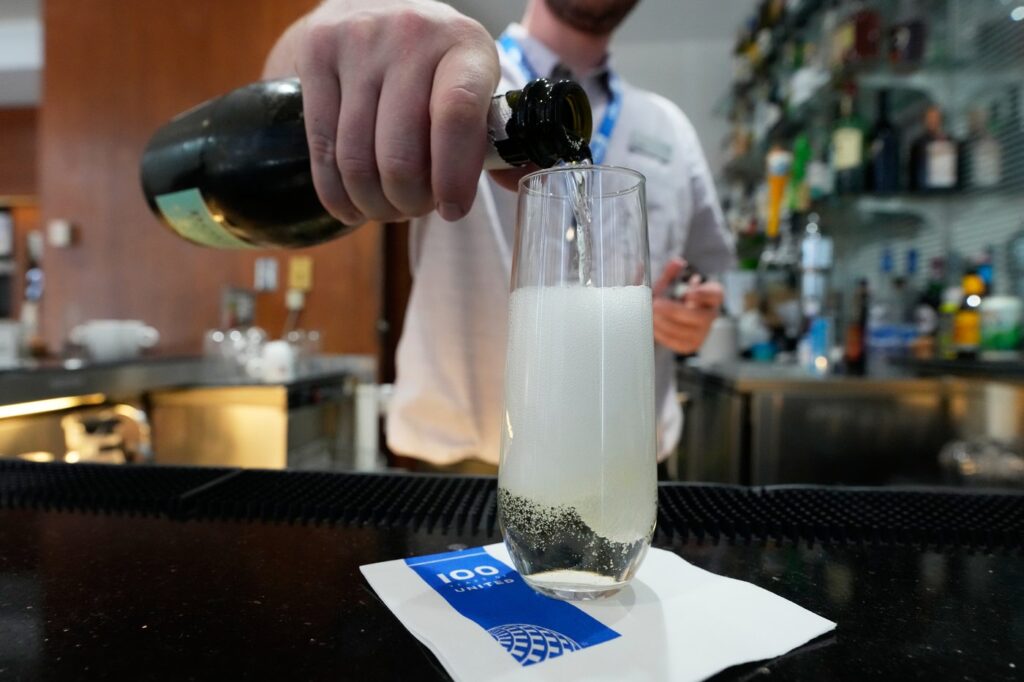
Two passengers on the same flight can have dramatically different travel experiences. One traveler may glide through a priority security lane, enjoy exclusive lounge access with craft cocktails and gourmet meals, and be greeted by flight attendants offering champagne in spacious seating at the front of the plane. In stark contrast, another traveler might endure lines for security screenings and overpriced sandwiches at the airport, boarding in one of the final groups and scrambling for overhead bin space before settling into a cramped middle seat.
This disparity in travel experiences isn't coincidental. Following the COVID-19 pandemic, major U.S. airlines have intensified their focus on attracting premium passengers willing to pay for enhanced comfort and convenience. As these carriers increasingly tailor their business models to prioritize first-class, business-class, and premium-economy seating, budget travelers may feel the widening gap between the economy cabin and higher-tier options.
Delta Air Lines CEO Ed Bastian articulated this shift, stating in a recent podcast interview that the airline's success hinges on providing the best service rather than lowest fares. This strategy, embraced by Delta alongside competitors like American Airlines and United Airlines, represents a significant change in an industry that historically aimed to make air travel more accessible to the masses. Airlines are now reconfiguring aircraft to expand premium seating and investing considerably in amenities that elevate the travel experience beyond merely flying.
Despite these moves, United CEO Scott Kirby has emphasized that the airline's focus on premium investments also aims to improve experiences for all travelers, citing enhancements like seatback entertainment and app improvements that benefit every passenger. The evolution towards premiumization in air travel is not something that happened overnight; it reflects an ongoing effort by airlines to fill empty first-class seats, which was traditionally done by offering loyal frequent flyers free upgrades.
Delta was a pioneer in the early 2010s, employing sophisticated pricing strategies to offer upgrades to coach passengers willing to pay a little more, thus highlighting a previously unrecognized demand for premium services. The dramatic shift in consumer behavior has been further propelled by the pandemic, when business travel dwindled, leading leisure travelers to indulge in premium experiences. Today, the conversation around premium travel has become commonplace in quarterly earnings discussions, with airline executives frequently highlighting revenue from premium services as they vie for customers willing to spend more.
As airlines develop their premium offerings, they have introduced innovations such as premium economy seats, providing added legroom and enhanced amenities at more accessible price points. On busy transatlantic routes, business-class fares can generate nearly as much revenue as that from the significantly larger economy cabin, indicating the profitability of premium travel segments.
The increased focus on premiumization is evident in the elaborate offerings in premium cabins. Delta has transformed its first-class lounges into gourmet dining establishments, featuring open kitchens, cocktail bars, and relaxation areas. American Airlines has revamped its dining menus to include globally inspired dishes, while also enhancing the comfort and privacy of its business-class offerings with custom-designed compartments and luxury amenities. United has introduced business-class cubicles featuring large entertainment screens and fine dining experiences, marking a new era of air travel exclusivity.
As airlines seek to capitalize on higher-paying passengers, they are expanding premium seating in their fleets, with Delta's upcoming Airbus A350-1000 dedicating nearly half the cabin to premium seating. American Airlines has announced plans to expand its premium cabins by 50% by the end of the decade. However, while the premiumization trend thrives, many travelers face increasing fare prices and add-on fees largely influenced by inflation and rising fuel costs, which significantly impact budget-conscious travelers.
A travel advisor noted that many clients are encountering "sticker shock" due to rising airfare since the onset of geopolitical tensions exacerbated fuel price increases. Often, travelers find lower fares advertised online to be misleading when fees for seat selections and checked bags are factored in. These additional costs can significantly weigh on economy travelers, while wealthier passengers may view them as mere inconveniences. The prevailing notion of equality among travelers is increasingly challenged, revealing stark contrasts in passenger experiences within the airline industry.








