

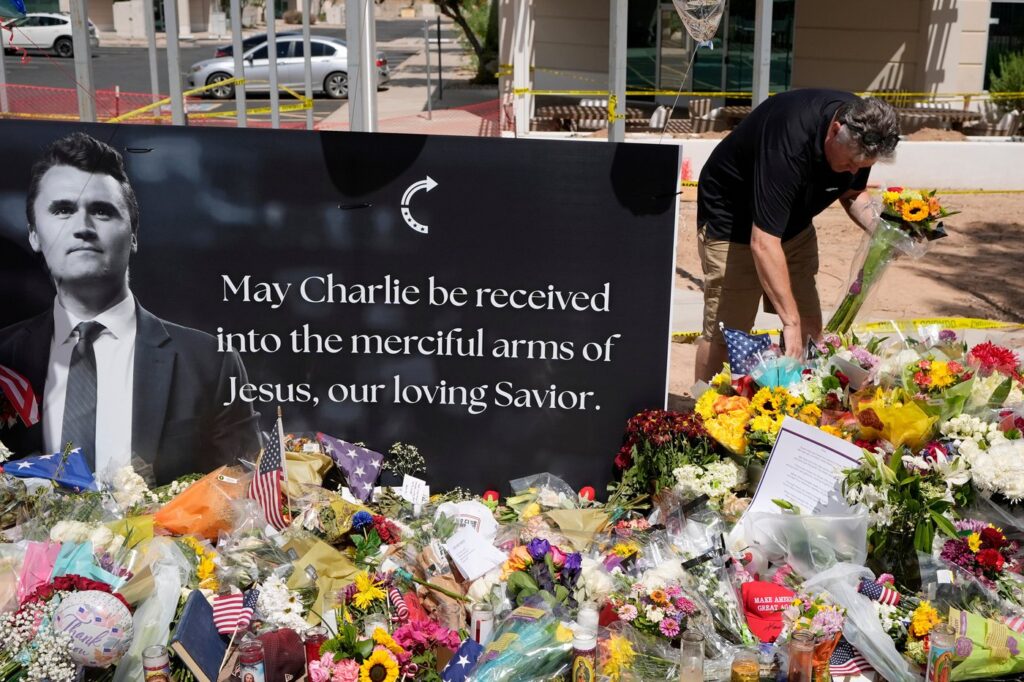
Provo, Utah (AP) – Prosecutors are working to persuade a Utah judge to put Tyler Robinson, the 23-year-old man charged with the aggravated murder of Charlie Kirk, on trial. The preliminary hearing, which began on Monday, is expected to continue with significant evidence presentation, including law enforcement video and recorded statements from the defendant's roommate. So far, the hearings have not revealed major new information but mark crucial steps in the legal proceedings against Robinson.
Charlie Kirk, an ally of former President Donald Trump and co-founder of Turning Point USA, was shot during a campus event at Utah Valley University on September 10. Former Officer Christopher Bagley testified that he witnessed the shooting and discovered what he described as a “sniper pad” on a nearby rooftop, suggesting it was a location from which the shooting could have been executed.
Robinson has yet to enter a plea regarding the charges against him, and his attorneys have refrained from commenting on their client’s guilt or innocence. They have made attempts to have the death penalty removed as a possible punishment for Robinson, though those efforts have not succeeded so far.
In the forthcoming proceedings, prosecutors plan to introduce video evidence from the Washington County sheriff’s office, recorded testimony from Robinson’s roommate, and various forensic evidence tying Robinson to the crime. Prosecutors allege that Robinson confessed to his roommate in a note, stating, “I had the opportunity to take out Charlie Kirk and I’m going to take it.” Additionally, they claim he expressed intent to kill Kirk due to his “hatred.” The presence of DNA linking Robinson to the murder weapon and witness statements are also being prepared for presentation.
The court proceedings marked a poignant moment for Kirk's family, as his widow, Erika, and parents, Kathryn and Robert, attended for the first time. Amid the graphic and emotional testimonies and video evidence shown in court, the family left the courtroom momentarily on two occasions as the graphic nature of the evidence was presented. Robinson, seated quietly between his attorneys and appearing attentive, was in shackles during the hearing.
Legal experts suggest that as the prosecution needs to demonstrate “reasonable grounds” for the case to proceed to trial, the threshold for success in this preliminary phase is relatively low. Former prosecutor Mark Kouris noted that the evidence presented will likely be sufficient for the judge to rule in favor of proceeding to trial. The defense, represented by attorney Kathryn Nester, raised objections to several pieces of evidence, particularly focusing on the handling of a holster found at the scene. The judge ruled in favor of some defense motions, preventing the introduction of altered surveillance videos, indicating a meticulous approach to evidentiary standards.
As the proceedings unfold, the emotional toll on the Kirk family is palpable. Erika Kirk expressed gratitude for community support and reflected on the painful reminder of her husband's death that each court date brings. The case continues to capture public interest, especially given Kirk's prominence within conservative circles, prompting varied reactions from the community and public figures, including calls for severe penalties against Robinson.
In summary, the preliminary hearing highlights the complexity of the legal process surrounding a high-profile assassination case, where emotional stakes are high, and the pursuit of justice is keenly observed by both supporters and critics alike.








