

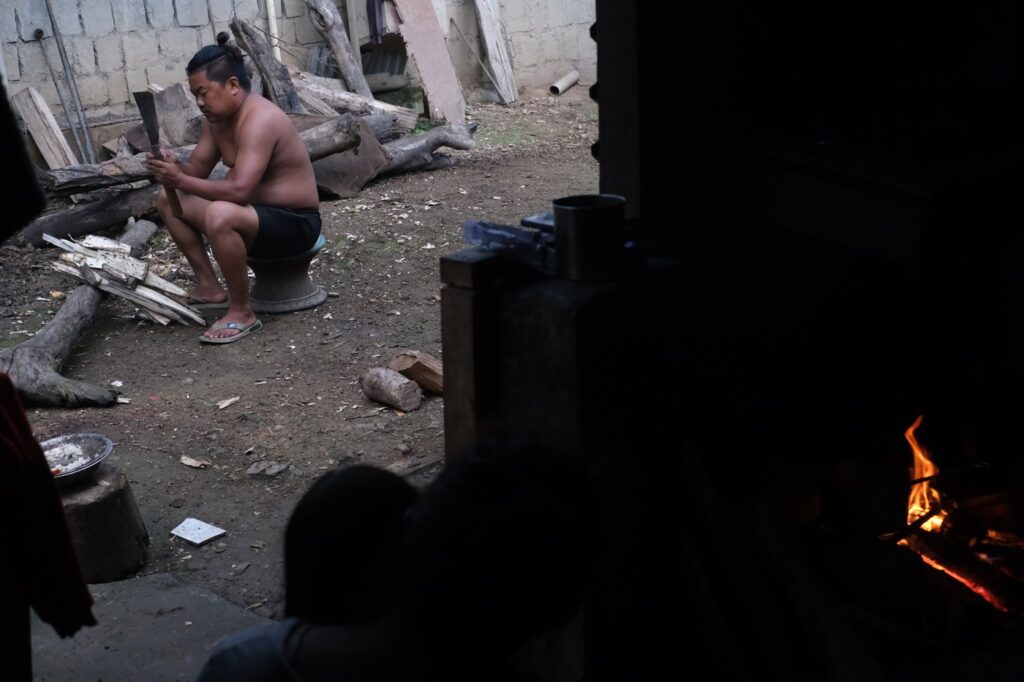
KOHIMA, India (AP) – Tovi Murru, a 32-year-old driver from Kohima, India, recounts a significant change in his family's cooking methods that began around April. The rising fuel prices and the unavailability of liquefied petroleum gas (LPG) have forced Murru and his family to switch to cooking with firewood. With this new method, Murru has taken on additional household responsibilities, gathering wood from dead trees in the forest, chopping it, and handling most of the cooking duties, a task that was previously managed by his wife, Atoshi Ayemi.
Murru expresses frustration at the ongoing fuel crisis, stating, "The common person is really suffering with the rise of fuel prices. And LPG cylinders are no longer available. The few that are available are unaffordable." His monthly income of $125 makes it challenging to afford an LPG cylinder, which costs nearly a quarter of his salary in the black market—a price that has more than doubled since the onset of the Iran war, which has affected fuel supply in many regions, including his small town.
Living with his wife and their three-year-old daughter, Azatina, in a house provided by his employer, Murru reflects on the hardships of living in Kohima, located 4,000 kilometers (2,500 miles) from Tehran. As an Indigenous Naga, he feels the impact of a war that does not directly involve his community yet severely disrupts their daily lives. As India imports nearly 90% of its crude oil, the conflict has caused widespread issues for families needing cooking gas and gasoline for vehicles.
Although Murru has become skilled at using firewood for cooking, it also has its downsides. The smoke irritates both Atoshi and their daughter, who tear up from it, highlighting the discomfort of their new cooking method. Murru notes, "It's the heat from the fire that gets me," as he wipes his brow while preparing a meal of boiled eggs and broth to be served with rice. Despite these challenges, he takes pleasure in cooking for his daughter, who enjoys eggs.
Electricity outages have become a regular occurrence for the family, adding to their struggles. They rely on mobile phones to navigate the dark evenings and maintain some semblance of normalcy. Tovi and Atoshi serve their meal beside an empty gas cylinder, a stark reminder of the cooking method they can no longer afford. After feeding their daughter, they also ensure that their two dogs receive their share of the meal.
The complexities faced by families like Murru's in Kohima illustrate the broader implications of international conflicts, showcasing how distant wars can directly impact the livelihoods of individuals in remote regions. As they adapt to these challenges, the family finds ways to persevere amidst their changing circumstances in a world where fuel shortages and rising costs have become a significant burden on everyday life.








