

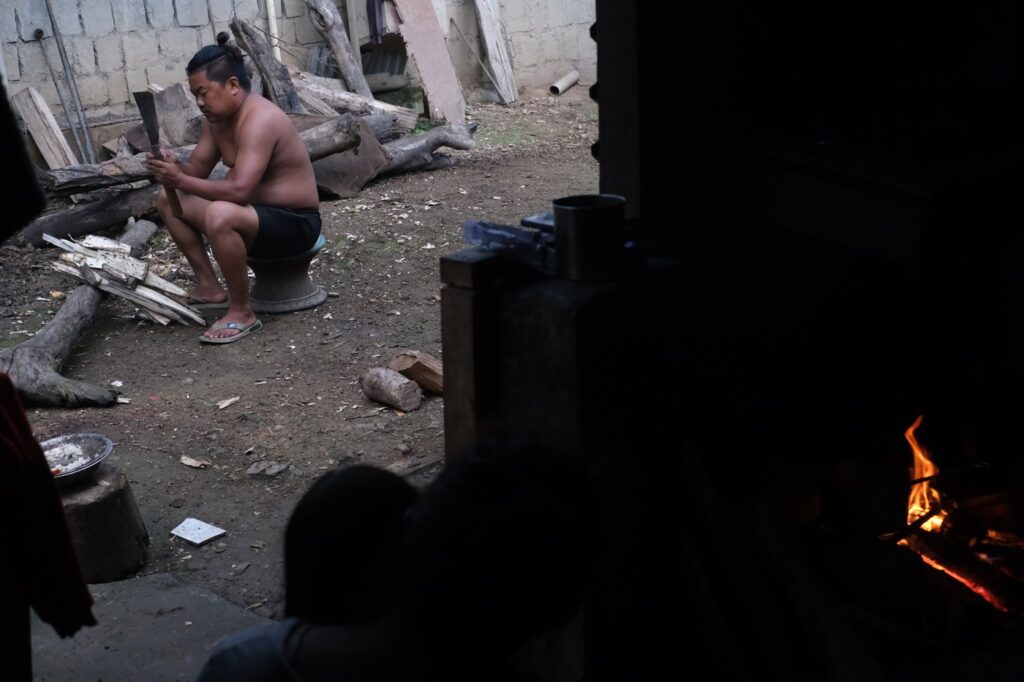
KOHIMA, India (AP) The impact of rising fuel prices and the ongoing conflict in Iran has forced Tovi Murru, a 32-year-old driver, and his family to adapt their cooking methods significantly. Since April, Murru and his family have resorted to cooking with firewood, gathering twigs and branches from dead trees in the nearby forest. This change in their cooking method has substantially increased the burden of household duties for Murru, who now takes on the bulk of the cooking responsibilities, a job that was previously managed by his 27-year-old wife, Atoshi Ayemi.
Murru describes the distress caused by the dramatic rise in liquefied petroleum gas (LPG) prices and availability in India, where nearly 90% of crude oil is imported. He emphasizes that the average person is struggling amidst this turmoil, stating, "The common person is really suffering with the rise of fuel prices. And LPG cylinders are no longer available. The few that are available are unaffordable." Before the onset of the conflict in Iran, Murru could acquire an LPG cylinder for considerably less; however, prices have now soared to a quarter of his monthly salary—$125—on the black market.
The geopolitical situation exacerbates the economic struggles faced by Murru and many others in Kohima, a small town located over 4,000 kilometers (approximately 2,500 miles) from Tehran. The recent escalation of hostilities on February 28, which involved attacks by the United States and Israel on Iran, has led to the effective closure of the crucial Strait of Hormuz. This strait is a vital passage for global oil shipments, and its closure has dramatically impacted energy prices around the world, compounding the hardships for households relying on LPG for cooking.
As Murru adjusts to the challenges of wood cooking, he built a simple hearth in less than a day. Utilizing his dexterity, he adeptly starts the fire to boil eggs and prepare broth to accompany rice, noting his daughter's preference for eggs. His three-year-old daughter, Azatina, plays by his side, while their two dogs wait patiently for their turn to eat. However, Murru expresses concern about the smoke produced by the fire, which causes discomfort for his wife and daughter, stating, "it’s the heat from the fire that gets me."
Power outages have become a frequent occurrence in their lives, and the couple often relies on their mobile phones for illumination. The Murru family's routine is deeply affected by the ongoing challenges; they even find irony in serving their meals beside an empty LPG cylinder which once facilitated more convenient cooking options. Atoshi can occasionally assist with cooking, but the bulk of the work has shifted to her husband due to the intensity of the firewood cooking process.
Murru's struggles echo the sentiments of many in Kohima, especially among the indigenous Naga community to which he belongs. The family’s adaptation to using firewood instead of LPG highlights the broader economic and social impacts of regional conflicts on everyday life. As they navigate these changes, Murru remains focused on caring for his family, sustaining their day-to-day needs, despite the overwhelming challenges posed by global events.








