

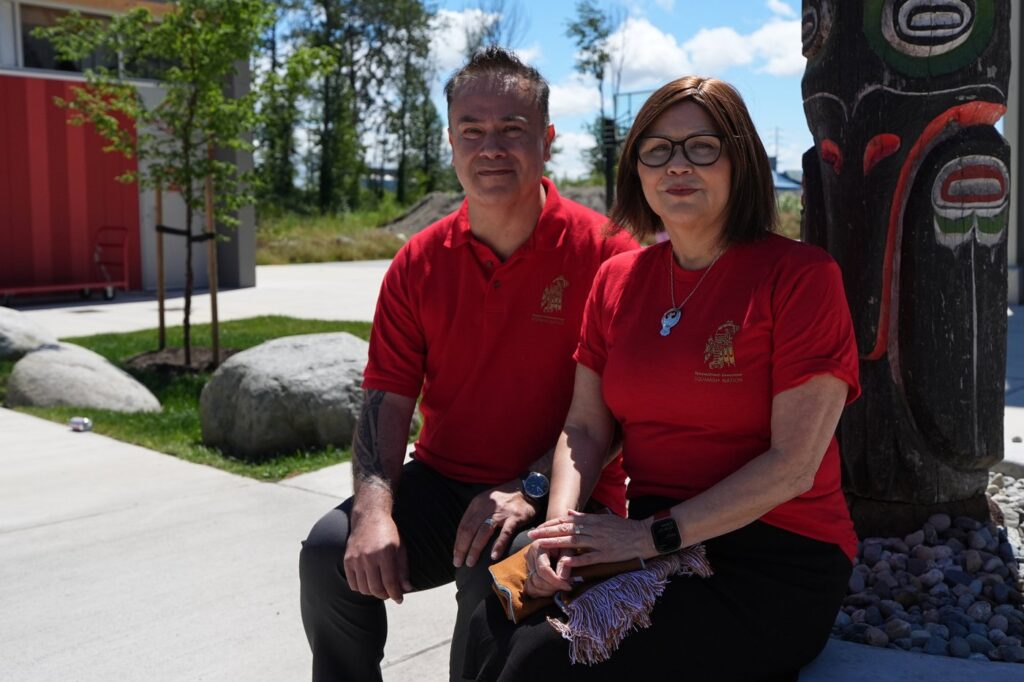
VANCOUVER, British Columbia (AP) — As the FIFA World Cup unfolds, Vancouver boasts a fan festival that not only showcases matches on large screens and local culinary delights such as poutine but also pays homage to Indigenous communities, including the Squamish, Musqueam, and Tsleil-Waututh nations. This integration signifies a deeper commitment, reflecting a tradition initiated during the 2010 Winter Olympics where Indigenous people were included in event planning.
The Indigenous nations are playing a crucial role beyond just the festival; they are partners with the local World Cup organizing committee to ensure that their voices are heard throughout the planning process. Tewanee Joseph, the secretariat for the Squamish Nation's major sports, entertainment, and marquee events, emphasizes the importance of sharing diverse cultures and contemporary Indigenous existence. "We’re not all the same, and I think that also we don’t just live in history books, we’re living and thriving today," Joseph stated.
This collaboration is not unique to Vancouver. Seattle's World Cup preparations also involved Indigenous communities, with the Puyallup Tribe serving as the official Presenting Legacy Sponsor of SeattleFWC26. Toronto's opening ceremonies featured Indigenous dancers and musician William Prince, while an Indigenous marketplace showcased local art and crafts. Meanwhile, in Mexico, FIFA partnered with the National Fund for the Promotion of Handicrafts to support Indigenous artisans creating folk art with soccer themes.
FIFA's focus on Indigenous engagement is now a fundamental aspect of its sustainability and human rights strategy. Prior to the World Cup, FIFA collaborated with the United Nations High Commissioner for Human Rights on the Unite for Indigenous Peoples campaign. This initiative highlighted and included First Nations in both Australia and New Zealand during the 2023 Women’s World Cup, incorporating Indigenous terms in all signage and performing traditional rituals such as the Maori karanga call before matches.
Looking ahead to the 2028 Los Angeles Olympics, organizers are recognizing the Indigenous roots of lacrosse by planning to reinstate it as a medal event, marking its return since 1908. The Haudenosaunee, known as the inventors of lacrosse, have been advocating for their right to compete as an independent nation in the upcoming games.
Indigenous tourism also plays a vital role in the cultural and economic landscape of British Columbia. Paula Amos, of Indigenous Tourism BC, noted that the outreach during the World Cup aims to inspire visitors to return even after the event concludes. Indigenous tourism significantly contributes to the province's economy, generating $1.1 billion annually with 31% of international tourists seeking Indigenous experiences.
Each of the three First Nations involved in the World Cup planning will receive $6 million for legacy projects, including the Squamish Nation's initiative to build a youth soccer field in West Vancouver. However, the most significant legacy may be the intangible feelings of pride and cultural awareness fostered during the event. Joseph shared, "To see our members there, front and center, with their chin up, held high, and being proud" exemplifies the lasting impact of this collaboration. The interactions between Indigenous communities and festival attendees offer meaningful exchanges and a chance to reflect on contemporary Indigenous identity.








