

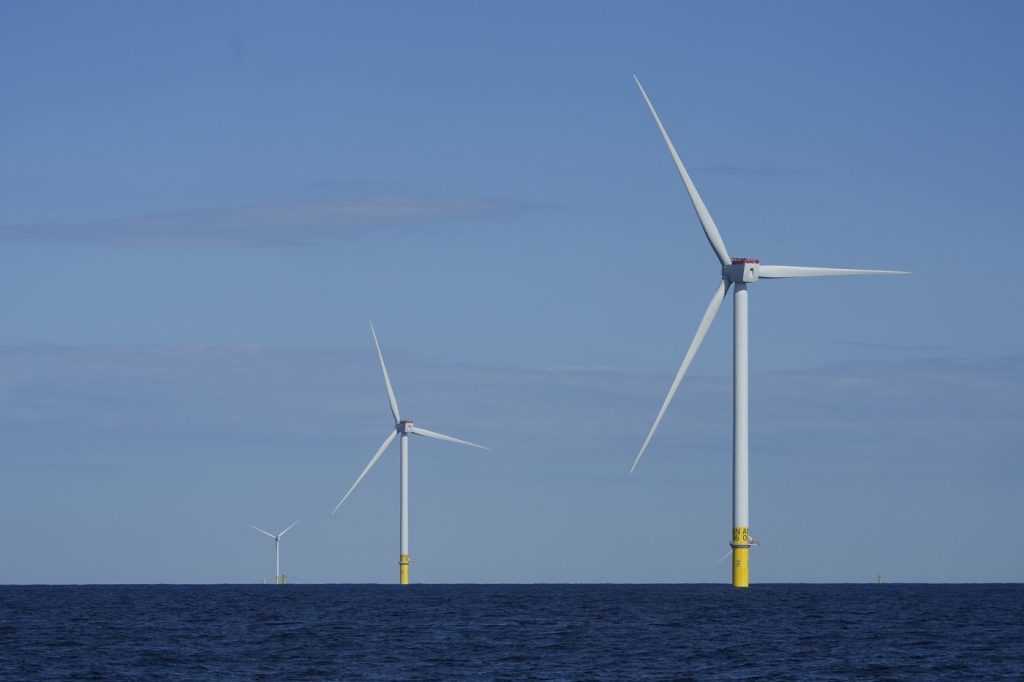
The Trump administration recently halted construction on the Revolution Wind project, an offshore wind initiative nearing completion near Rhode Island. The project, developed by Danish company Orsted, is approximately 80% finished, with 45 out of 65 turbines already installed. Despite significant progress and having passed multiple federal and state evaluations over several years, the Bureau of Ocean Energy Management ordered a stop to the construction, citing the need to reassess concerns regarding national security, although specific details regarding these concerns were not provided.
President Donald Trump has consistently emphasized the prioritization of fossil fuels, actively working against advancements in renewable energy. In a recent social media post, he disparaged wind and solar energy as “THE SCAM OF THE CENTURY!” Furthermore, he expressed his commitment to rejecting both wind and solar projects, proclaiming, “The days of stupidity are over in the USA!!!” Such statements reflect a broader trend within the administration, which is perceived as being hostile towards renewable energy initiatives.
Scientific consensus indicates that rapid adoption of renewable energy sources is imperative to mitigate the severe consequences of climate change. Researchers warn of exacerbated extreme weather phenomena, including severe heatwaves, droughts, larger wildfires, and intensified hurricanes and flooding events. In this context, the Revolution Wind project holds significant importance, as it is set to become Rhode Island and Connecticut’s first commercial-scale offshore wind farm, capable of supplying electricity to over 350,000 homes. The densely populated nature of these states, coupled with limited available land for energy projects, underscores the necessity of offshore wind development to meet climate goals.
Rhode Island Governor Dan McKee openly criticized the stop-work order, stating his intention to collaborate with Connecticut Governor Ned Lamont to explore options to overturn the decision. Meanwhile, Orsted is analyzing the financial implications of ceasing construction and is considering potential legal actions. Senator Richard Blumenthal of Connecticut also condemned the decision, labeling it arbitrary and detrimental, emphasizing the project's potential and its importance in providing employment to hundreds of skilled workers.
The Revolution Wind project is located over 15 miles (24 kilometers) south of the Rhode Island coastline and is strategically significant for energy production in the region. Rhode Island already hosts the Block Island Wind Farm, which consists of five turbines, yet Revolution Wind represents a substantial escalation in renewable energy capacity for the area.
Wind energy currently stands as the most significant source of renewable power in the United States, accounting for roughly 10% of the nation's electricity generation. While some nonprofits, such as Green Oceans, expressed approval of the halt in construction, citing environmental preservation concerns along the coasts of Rhode Island and Massachusetts, the overall response from various stakeholders has been largely negative, critiquing the administration’s approach to renewable energy.
This is the second major offshore wind project to be halted by the current administration; the Empire Wind project in New York also faced temporary cessation before construction was allowed to resume following intervention from local governmental leaders such as Senator Chuck Schumer and Governor Kathy Hochul.
Kit Kennedy, managing director for the power division at the Natural Resources Defense Council, voiced criticism, stating that the administration is neglecting the urgent need for cleaner energy sources like solar and wind power while propping up outdated fossil fuel infrastructures. The ongoing decisions by the administration are perceived to place an undue burden on American consumers, raising concerns about the future of energy policy in the United States.








