

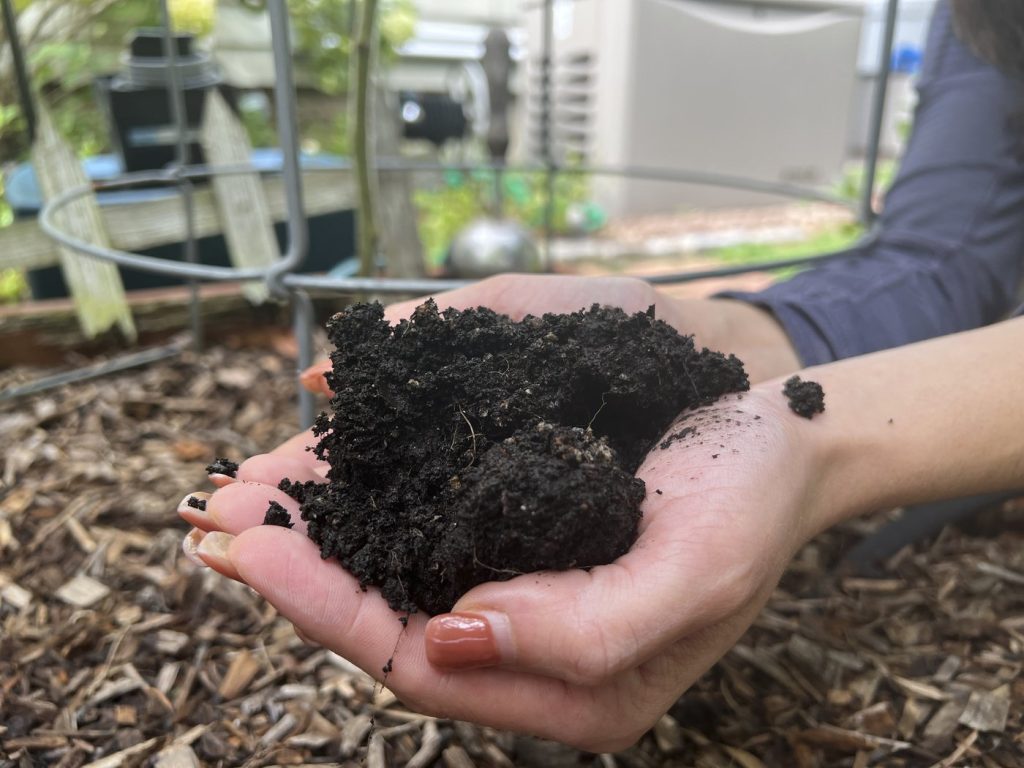
Gardening is not only a pleasurable pastime but also a beneficial activity with numerous mental and physical health advantages. Despite the physical demands such as lifting and sweating, many people experience a sense of satisfaction and well-being from digging in the dirt and enjoying the natural sounds around them. The psychological benefits of gardening, highlighted by various studies, affirm the positive impacts that spending time with plants can have on our mood and stress levels.
A field of study known as horticultural therapy focuses on utilizing plant-based activities to support individuals with specific treatment needs. According to Karen Haney, a horticultural therapy instructor at UCLA Extension in Long Beach, California, this practice underscores the therapeutic aspects of engaging with gardening. Sarah Thompson, a registered horticultural therapist in Boise, Idaho, points out that engaging in gardening for just 20-30 minutes several times a week can decrease stress levels and enhance mood, with benefits amplifying with more frequent gardening.
While simply being outdoors has known benefits for mood improvement and focus restoration, gardening goes a step further. Thompson emphasizes that the act of nurturing plants and witnessing their progress offers a sense of purpose and fulfillment that passive outdoor experiences lack. Additionally, gardening has been shown to alleviate symptoms related to anxiety and depression and can cultivate a feeling of calm and achievement.
Recent research from the University of Colorado-Boulder supports these findings. In this study, participants involved in gardening reported strengthened social connections and lower stress levels compared to a control group who refrained from gardening for two years. The gardening group also noted a 7% increase in fiber intake, contributing to reduced risks for illnesses such as depression, hypertension, type 2 diabetes, and cancer. Moreover, they experienced an average of 42 minutes more physical activity each week compared to those who did not garden.
Prior studies have highlighted similar conclusions, indicating that the health benefits of gardening are comparable to the advantages often observed among residents of affluent communities. For instance, research conducted by the University of Exeter and the Royal Horticultural Society in the U.K. suggested that gardeners enjoy mental and physical health benefits that align closely with those experienced by individuals living in wealthier neighborhoods. Engaging in gardening encourages mindfulness, drawing individuals into the present moment, while also offering a sense of achievement.
Moreover, exposure to sunlight during gardening can elevate serotonin levels, and interacting with soil can introduce beneficial microbes that enhance mood. Thompson outlines the multifaceted benefits of gardening, noting how it promotes physical strength, flexibility, and balance. Socially, it fosters community connections, while cognitively, it stimulates problem-solving skills and creativity. The adaptability of gardening means it can cater to various spaces, abilities, and ages, making its advantages accessible to everyone.
Ultimately, the confluence of emotional, physical, and social benefits underscores the therapeutic nature of gardening. As the data suggests, not only does gardening provide tangible benefits for individual wellness, but it also nurtures a communal spirit, encouraging connections among participants. Given the recognition of these benefits backed by scientific research, gardening can be seen as a valuable activity that enhances quality of life.
Jessica Damiano, a columnist for the Associated Press, shares regular insights on gardening through her Weekly Dirt Newsletter, where readers can find valuable tips and advice for cultivating their green spaces.








