

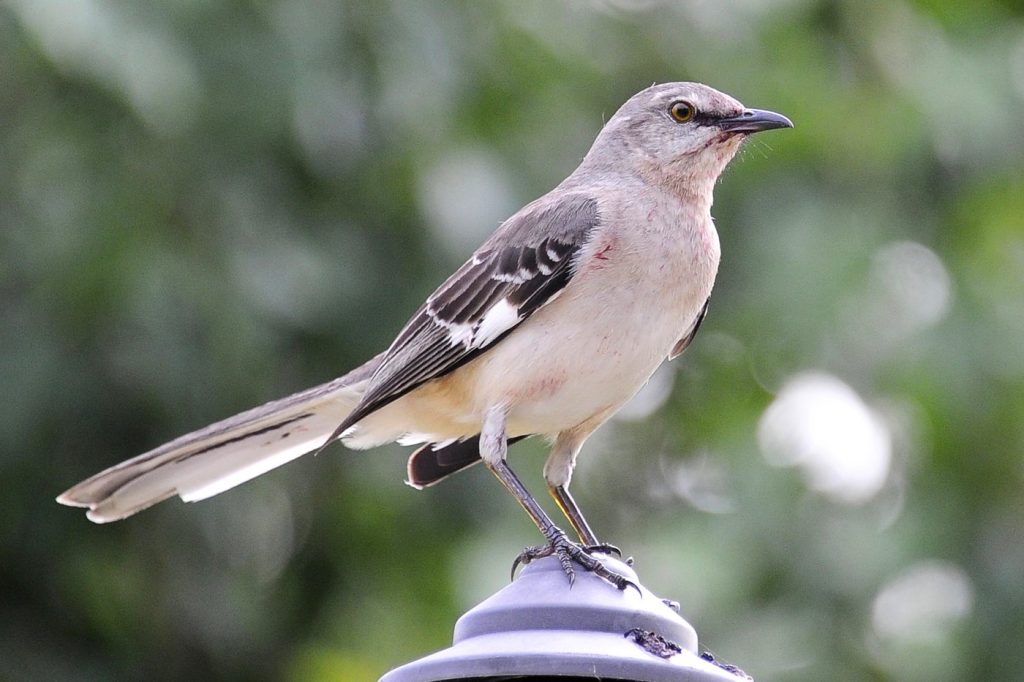
The article discusses the rise of AI-powered bird identification apps, particularly the Merlin Bird ID app. The author recounts a personal experience of spotting a scarlet tanager, thanks to an alert from the app, which uses artificial intelligence to analyze live sound recordings from users' phones. Despite the bird's stunning colors of jet-black wings and crimson body, it can be elusive in forest canopies. The app has enhanced birdwatching experiences for many, likening it to a real-life version of Pokémon Go, encouraging users to grow their "life lists" of bird sightings.
Drew Weber, the manager of the Merlin app at the Cornell Lab of Ornithology, notes a shift in the app’s user demographics. Traditionally popular among older, experienced birders, the app now attracts a younger crowd, particularly those in their 20s and 30s who share their experiences on platforms like TikTok and Instagram. This trend indicates a broader appeal of birdwatching among younger generations.
An illustrative example is provided through a TikTok user's excitement upon using the app, which quickly identified several birds within a short time. Notable figures, such as Seattle Seahawks quarterback Sam Darnold, have also expressed enthusiasm about the app's capabilities. However, the article highlights that the app is not infallible; the AI can sometimes misidentify birds due to challenges in distinguishing low-frequency sounds, such as those from traffic.
The discussion extends beyond bird identification, as newer smartphone models with built-in computer vision capabilities allow users to identify plants and other wildlife without additional apps. Though convenient, these built-in functions may lack the accuracy and community engagement offered by apps like Merlin and iNaturalist. Both platforms contribute to citizen science and conservation efforts, assisting in research amidst growing global concerns about biodiversity loss.
Scott Loarie, executive director of iNaturalist, emphasizes the importance of cultivating a community of nature enthusiasts through the app. Users are often guided by experts who correct identification mistakes, helping to enhance the overall knowledge base and contribute to conservation data. While the app aids in identifying a variety of wildlife, Loarie urges caution when it comes to identifying edible plants, advising against relying solely on AI for such decisions.
On a personal note, the author recounts a hike where they utilized iNaturalist to identify various fruits. Although seeking huckleberries proved challenging, the app assisted in discovering other wild fruits, highlighting the variety of options present in nature. However, the author admits to sampling the wrong types, underscoring Loarie’s warning about automatic identification for edible plants.
In conclusion, the rise of AI technology in nature identification apps is reshaping how people engage with the natural world. While these tools enhance learning, appreciation, and biodiversity data collection, users must approach them with discernment, particularly in matters involving safety and edible species. The growing community of nature enthusiasts, bolstered by these apps, represents a positive shift towards environmental stewardship.








