

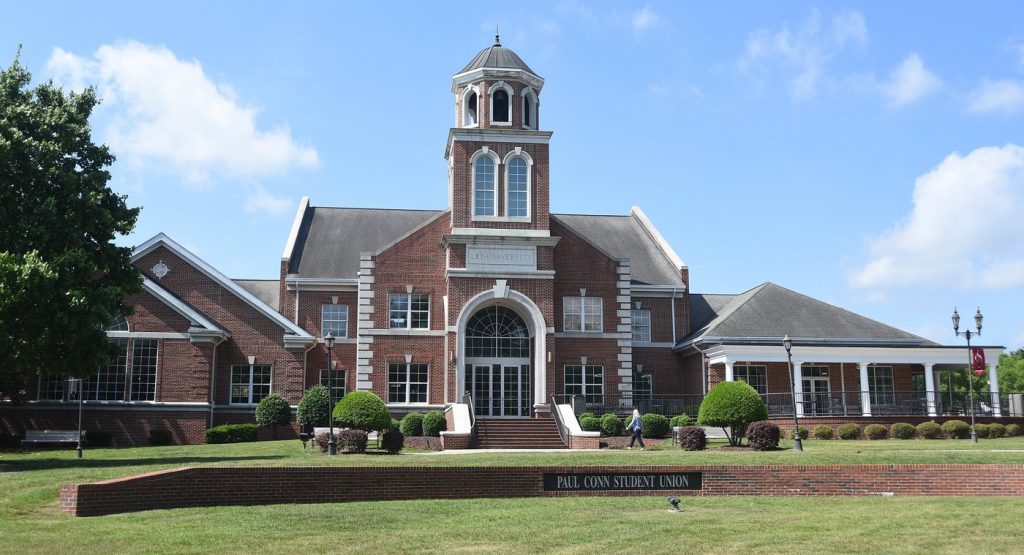
This summer, the University of Central Missouri faced a significant reduction in new international graduate student enrollment, with half as many students arriving for fall classes compared to the previous year. Many international students reported difficulties obtaining visas, with some struggling to even secure interviews. This decline represents a substantial financial loss for the university, which relies on international students for nearly a quarter of its tuition revenue. Roger Best, the university's president, noted that the reduced number of international students limits their ability to subsidize domestic students.
Wider trends across U.S. colleges indicate a troubling decline in international student enrollment. Institutions with a high percentage of foreign students and limited endowments are particularly vulnerable to financial instability. An Associated Press analysis revealed that more than 100 colleges, with international students making up at least 20% of their enrollment, have endowments under $250,000 per student. This group includes small Christian colleges and major universities like Northeastern and Carnegie Mellon.
The full extent of the decline in international enrollment will not be known until the fall, but some forecasts predict a downturn as severe as 40%, which could have significant repercussions for college budgets and the U.S. economy. Increased scrutiny on international students has emerged as part of the Trump administration's focus on reshaping higher education. The administration has encouraged colleges to reduce the number of international students and increased scrutiny around student visas, including new measures for deporting students involved in specific political activities and extended vetting processes regarding applicants’ social media history.
On a practical level, the Department of Homeland Security has proposed a rule to establish new limits on the duration that foreign students can remain in the U.S. Justin Gest, a professor at George Mason University, emphasizes the financial implications of these policies, stating that international students often pay full tuition, which allows universities to offer lower costs and more scholarships to U.S. students. For instance, an international student paying $80,000 in tuition gives the institution more financial flexibility.
Ahmed Ahmed, a Sudanese student, faced significant challenges reaching the U.S. for his freshman year at the University of Rochester. A travel ban announced in June affected several countries, including Sudan. Although diplomatic officials assured him that he could enter the U.S. due to his pre-ban visa, he faced denial boarding his flight from Uganda. Ultimately, with assistance from the university's international office, he managed to arrive in the U.S. and is now studying electrical engineering. Despite feeling supported at Rochester, Ahmed acknowledges the hurdles international students face and understands their hesitance to navigate the U.S. immigration process.
In response to anticipated declines in international enrollment, institutions like Central Missouri have begun implementing cost-cutting measures, including halting cost-of-living raises and postponing infrastructure projects. Central Missouri, which has historically had about 30% of its enrollment as international students, is bracing for significant budgetary impacts. Similarly, Lee University in Tennessee has seen a drop in international students from 82 to between 50 and 60, leading to increased tuition rates over the past five years to compensate for revenue shortfalls.
As many colleges already grapple with domestic enrollment declines, the diminishing number of international students adds further strain to their financial situations. The closure rate of private colleges in the U.S. is approximately two per month due to these challenges. Projections indicate a continuing decline in high school graduates in the U.S., with expectations of 13% fewer high school graduates by 2041 compared to 2024. Such demographic shifts coupled with diminished international student numbers could exacerbate challenges for many U.S. colleges.








