

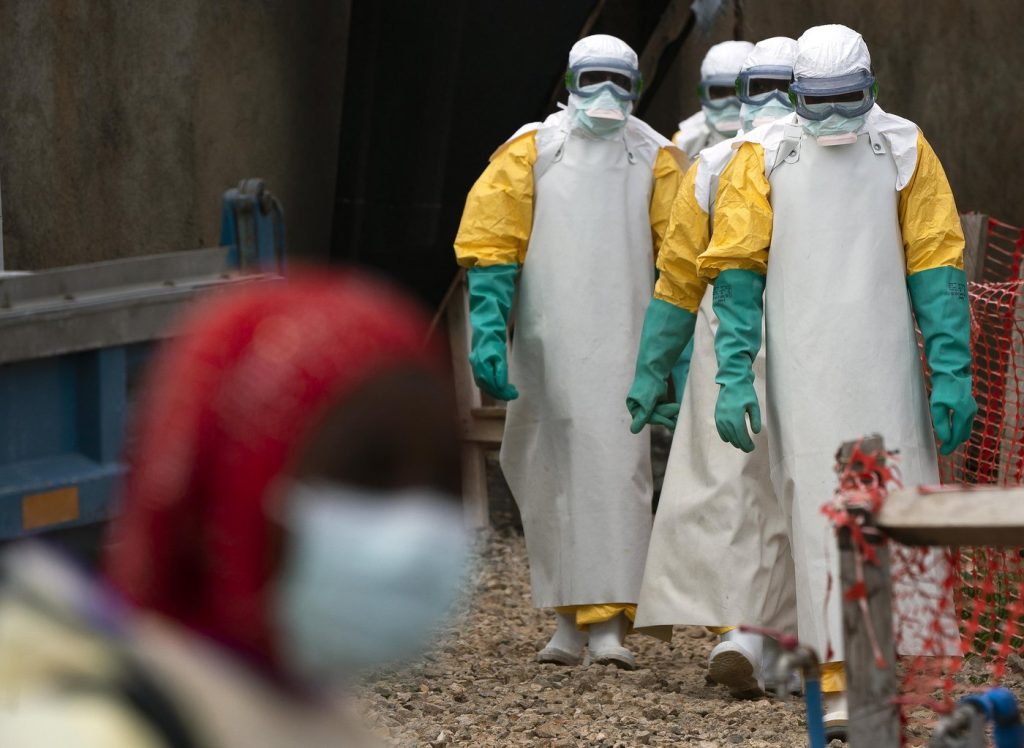
KINSHASA, Congo (AP) — The number of suspected Ebola cases in Congo's southern Kasai province has surged dramatically, more than doubling in a week since the confirmation of a new outbreak. According to the Africa Centers for Disease Control and Prevention (Africa CDC), the suspected cases have risen from 28 to 68, while the outbreak has now spread from two to four districts. The death toll currently stands at 16.
Local residents have voiced their concerns about the outbreak, which marks the first occurrence of Ebola in Congo in three years and the province's first in over a decade. Dr. Ngashi Ngongo, a principal advisor with Africa CDC, indicated that the ongoing conflict in eastern Congo has complicated efforts to control the spread of the disease. The proximity and density of villages in the afflicted areas contribute to the rapid transmission of the virus.
The outbreak was first announced a week ago after a pregnant woman in Boulapé was confirmed to be infected. To combat the situation, the World Health Organization (WHO) has deployed experts along with Congo’s Rapid Response Team to Kasai to bolster disease surveillance, provide treatment, and monitor infection prevention and control measures.
Congo has a long history with Ebola, dating back to its first recorded outbreak in 1976. This latest episode represents the 16th outbreak in the country and the 7th in the Kasai province. A previous outbreak, which lasted from 2018 to 2020 in eastern Congo, resulted in over 1,000 fatalities.
In an effort to contain the current outbreak, local authorities in Kasai have implemented strict measures. Public movements have been restricted, and checkpoints have been established at the main entrances to Tshikapa, the provincial capital. Residents like Emmanuel Kalonji, 37, have reported cases of people fleeing their villages before eventually returning, expressing concern that survival may not be guaranteed due to limited resources.
In Boulapé, where the outbreak was first identified, local officials are worried about how the situation will impact living conditions. Ethienne Makashi, the official in charge of water, hygiene, and sanitation, noted that while concerns are high, there is a bit of optimism as one case is showing good recovery progress.
This resurgence of Ebola in Congo illustrates the ongoing challenges faced in managing the disease, particularly in regions impacted by conflict and limited healthcare resources. The combined efforts of local authorities, international health organizations, and public health teams will be critical in controlling this outbreak and preventing further spread.








