

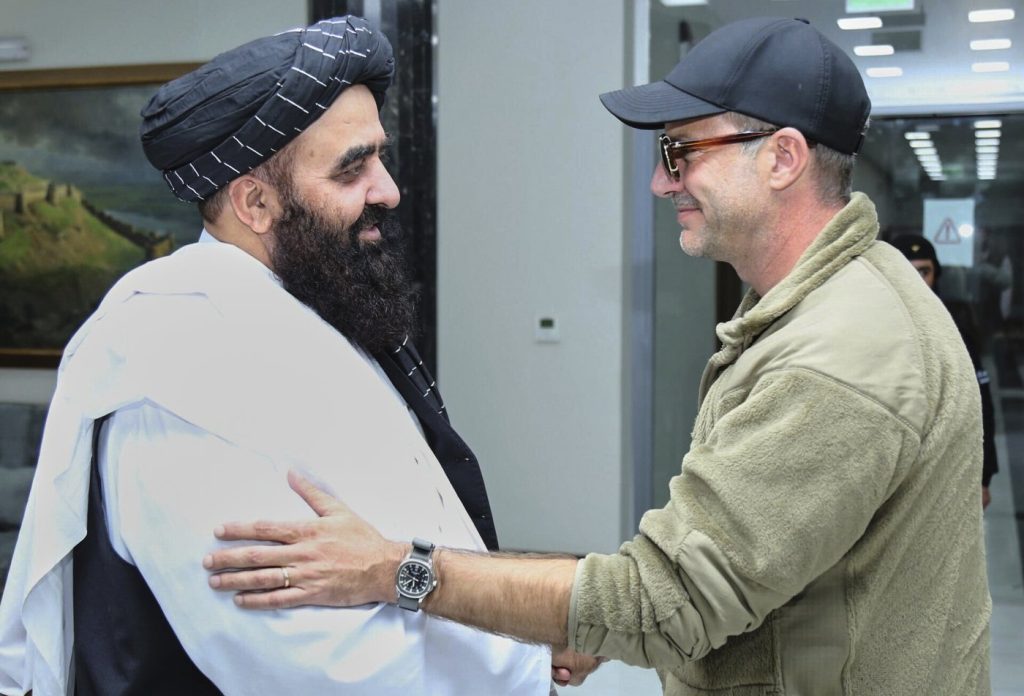
KABUL, Afghanistan (AP) A significant meeting took place on Saturday, involving the Taliban and officials from the Trump administration, focused on the potential normalization of relations between Afghanistan and the United States. The discussions were led by Amir Khan Muttaqi, the Taliban's foreign minister, who met with Adam Boehler, the special envoy for hostage response, as well as Zalmay Khalilzad, another U.S. envoy.
The Taliban issued a statement detailing the comprehensive nature of the discussions, which encompassed various aspects of bilateral relations. The topics included the welfare of citizens, potential investment opportunities in Afghanistan, and other key issues relevant to fostering a constructive relationship between the two countries. Moreover, the U.S. delegation extended condolences regarding the recent devastating earthquake that affected eastern Afghanistan, which allowed for a moment of empathy amid ongoing discussions.
This meeting followed the recent release of U.S. citizen George Glezmann, who had been abducted while traveling through Afghanistan as a tourist. Glezmann's release marked a notable event, being the third detainee freed by the Taliban since Donald Trump's presidency began. The timing of this diplomatic engagement seems significant against the backdrop of the Taliban's strong condemnation of Trump's implementation of a new travel ban, which prohibits Afghans from entering the United States. This juxtaposition of events highlights the complexities and sensitivities in U.S.-Taliban relations during this period.
The Taliban further backed their diplomatic overture by releasing photographs from the meeting, reinforcing their commitment to fostering dialogue with the United States. However, the White House has not yet provided a formal response to the claims made by the Taliban regarding the meeting or the topics discussed.
As the Taliban navigates its external relations, particularly with the United States, the outcome of these discussions and any subsequent actions taken by both parties could significantly impact Afghanistan's future and its standing in the international community. The complexities of restoring diplomacy, especially in the context of economic investments and citizen welfare, remain paramount for both sides.
In conclusion, as the diplomatic landscape continues to evolve, the potential for normalized relations between Afghanistan and the U.S. may hinge on the outcomes of these talks and the Taliban’s approach to political and humanitarian challenges in the region.








