

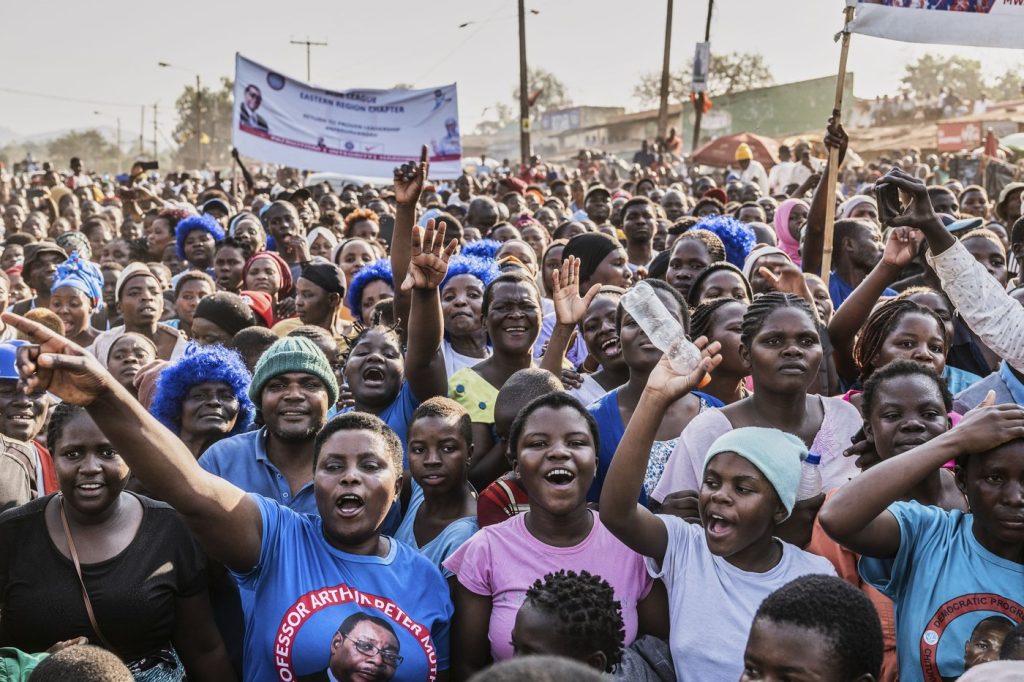
BLANTYRE, Malawi (AP) — Polls opened on Tuesday in Malawi's elections, marking a significant moment as the country aims to elect its president, lawmakers, and local government representatives. This electoral process is particularly noteworthy as it is the first national election since the 2019 presidential vote was annulled and subsequently led to a re-election in 2020 due to widespread irregularities.
Current President Lazarus Chakwera, who is 70 years old, is vying for a second term in office. He is competing against 16 other candidates, with former President Peter Mutharika, aged 85, expected to be his most formidable opponent. The political landscape is charged as these elections will determine the leadership and direction of the nation of approximately 21 million people.
The backdrop of this election includes the significant political turmoil experienced in the previous election cycle, where issues such as electoral fraud and corruption came to light, leading to a historic court ruling that mandated the repeat of the election in 2020. This ruling was a response to the outcry from the electorate and civil society, highlighting the importance of fair electoral practices in Malawi.
As voters head to the polls, there is a palpable sense of urgency and hope among many Malawians who are eager for positive change and stability. The elections are seen as a pivotal step in restoring faith in the democratic process after previous controversies. The competition is intense, and the role of each candidate will be closely scrutinized as citizens hope for transparency and a government that represents their needs and aspirations.
Beyond the presidential race, the elections will also see the selection of members of parliament and various local government representatives, all of whom will play critical roles in shaping local policies and governance. The outcome of this election could have lasting impacts on Malawi's development and political stability, driving conversations about economic progress, health care, education, and infrastructure development.
The atmosphere during the campaign season has been charged, with rallies and debates showcasing the different visions each candidate has for Malawi's future. Supporters of the various political parties have mobilized extensively, reflecting the heightened engagement in the democratic process, which many hope will translate into voter participation at the polls.
As a democracy that is still maturing, Malawi's elections serve as a vital test of its political institutions and the populace's commitment to civic responsibility. The country's voters are now faced with crucial decisions that will not only influence immediate governance but also set the tone for the nation's trajectory in the coming years.
This election cycle is not just about the candidates or political parties but represents the will of the people who demand accountability, transparency, and sustained efforts toward social and economic improvement. The world will be watching closely as Malawi takes these important steps in its democratic journey.








