

OTTAWA – A coalition of health care advocates is urging the federal Liberal government to maintain its commitment to establishing a universal, single-payer pharmacare program. This comes in light of the Pharmacare Act, which was passed last fall and mandates the formation of an expert committee tasked with exploring the most effective means of implementing a national universal drug coverage system.
The committee is expected to submit its findings to Health Minister Marjorie Michel by October 10, and the report will subsequently be made public. The urgency of this issue is underscored by a 2019 expert panel's recommendation advocating for the establishment of a universal, single-payer program whereby the federal government would assume responsibility for covering medication costs.
Recently, the C.D. Howe Institute, a prominent think tank, released its own report recommending that Ottawa consider an alternative approach focused on providing drug coverage specifically for individuals lacking private insurance. This divergence in proposals has prompted concern among advocates, including Frédérique Chabot, who leads the organization Action Canada for Sexual Health and Rights. Chabot remarked that they are receiving indications that the government is seriously weighing this alternative approach. However, she expressed that such a solution is insufficient and fails to meet the broader needs of the population.
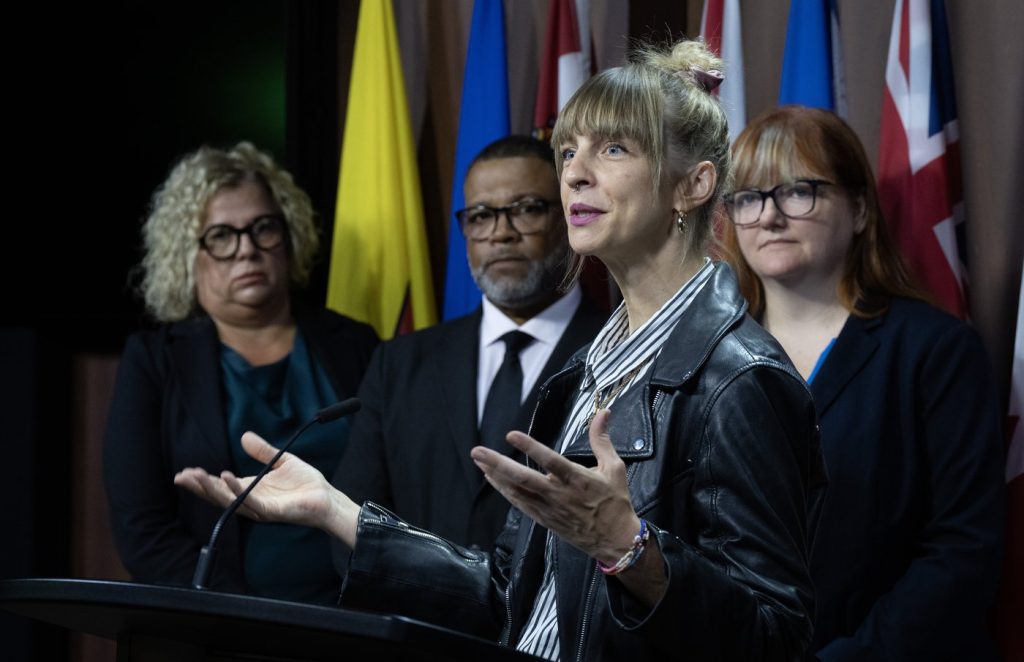
During a news conference held on September 22, 2025, in Ottawa, Chabot was joined by other notable figures in the healthcare advocacy community, including Angela Preocanin, secretary treasurer of the Canadian Federation of Nurses Unions, Jason MacLean, chair of the Canadian Health Coalition, and Siobhán Vipond, executive vice-president of the Canadian Labour Congress. Together, they emphasized the critical importance of adhering to the vision of a comprehensive pharmacare program that would provide equitable access to medications for all Canadians.
As this crucial deadline approaches, the debate surrounding pharmacare continues to intensify, with advocates rallying for a solution that aligns with the original intent of universal coverage. With the government's forthcoming report due to be released soon, the stakes remain high for both policymakers and citizens as they await the proposed framework for national drug coverage.
The outcome of this discussion is poised to have significant implications for the Canadian healthcare system, particularly concerning the accessibility of medications for those who are uninsured or underinsured. The federal government stands at a crossroads, with the potential to either commit to a transformative pharmacare initiative or pursue a more limited approach that could leave many individuals without essential drug coverage.








