

WINDHOEK, Namibia (AP) – Namibia has deployed over 500 soldiers to combat a massive wildfire that has ravaged approximately 30% of the country's most famous national park, Etosha National Park. The inferno began last Monday and has quickly spread across the vast 8,600-square-mile (22,200-square-kilometer) park, which is located in the northern region of Namibia.
The office of President Netumbo Nandi-Ndaitwah announced on Sunday that the exact number of wildlife casualties remains unknown due to the ongoing nature of the fire. Etosha National Park is home to a diverse array of wildlife, including critically endangered black rhinos. The fire has also encroached upon nearby villages, although there have been no reported human casualties. As of now, the cause of the fire is still under investigation.
Footage broadcast on the national broadcaster NBC depicted areas of charred trees and grass, with antelope fleeing from the approaching flames. In response to the devastation, authorities have mobilized helicopters and water-tank trucks to assist in firefighting efforts. On Sunday, 500 additional soldiers joined 40 soldiers who were already deployed to assist with the situation.
The president's office revealed that roughly 30% of the grazing lands within the park have been devastated. Namibia's Environment Ministry released a statement detailing the extensive ecological damage caused by the blaze, noting that nearly 3,000 square miles (7,700 square kilometers) of vegetation have been consumed. The ministry suspects that the fire may have originated from a charcoal production operation located on a farm adjacent to the park.
Given that Namibia is a hot and arid country situated in southern Africa, the wildfire has erupted during the driest period of the year in the Etosha region, exacerbating the challenge of containment. The potential for further ecological damage grows as conditions remain dry and the fire continues to spread.
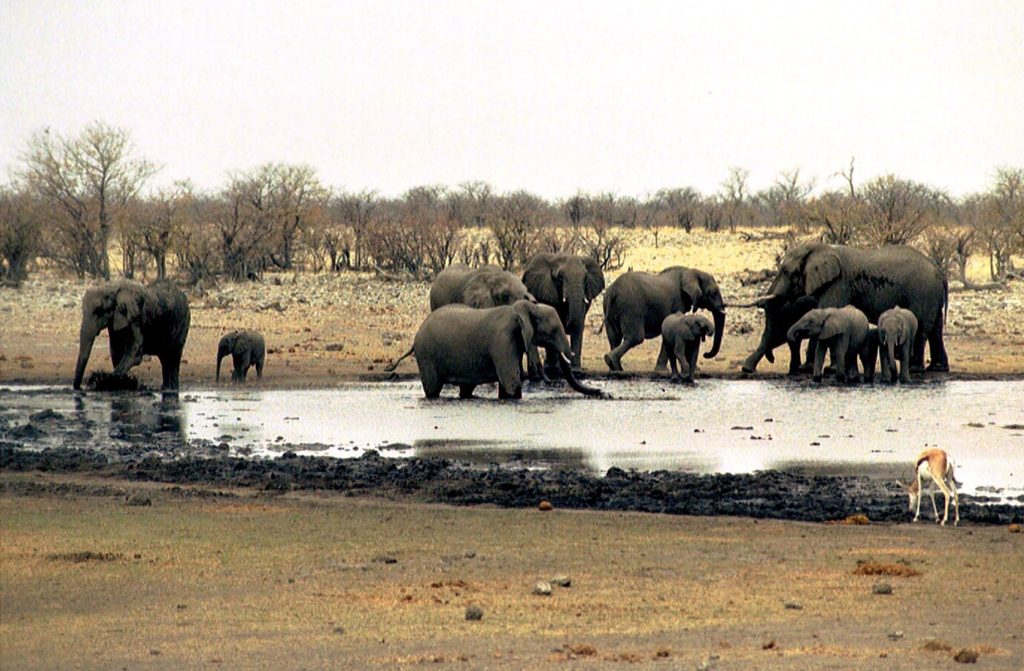
Etosha National Park is renowned across Africa for its iconic salt pan, which transforms into a lake during the rainy season, drawing various wildlife species to its shores. The park serves as a critical habitat for numerous animals and is a significant tourist attraction, highlighting the accentuated environmental impact of the current wildfire.
This incident underscores the urgent need for vigilance in managing natural resources and preventing human-induced disasters that threaten the delicate balance of wildlife conservation efforts in Namibia. The response from the government and military reflects the serious nature of the fire and the commitment to safeguarding both the wildlife within Etosha National Park and the surrounding communities.








