

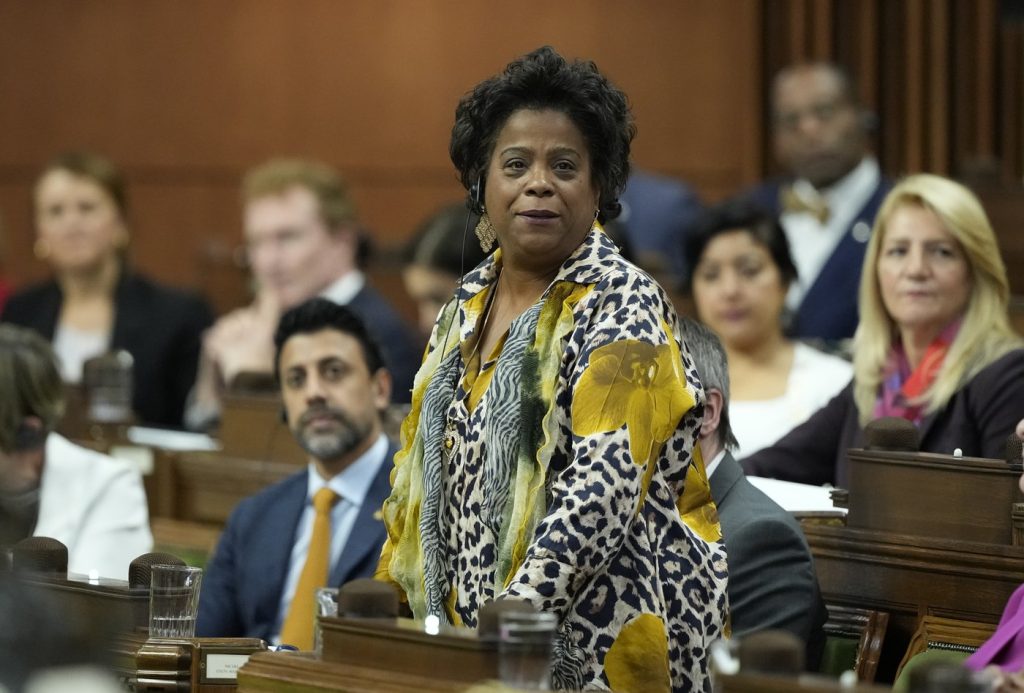
OTTAWA – In a recent development regarding Canada's pharmacare system, Health Minister Marjorie Michel has publicly dismissed a key recommendation from an expert advisory committee. This committee has suggested that the federal government should take full responsibility for funding a list of essential medications without engaging in negotiations with provincial governments.
The committee's report, which was made public on November 24, 2025, emphasizes the importance of creating a definitive list of essential medicines. It advocates for Ottawa to provide adequate funding to ensure that all Canadians have access to these medications at no out-of-pocket cost. Such a step is seen as critical for the overall health care framework in the country, which has been a deeply debated topic among various stakeholders.
According to the committee chair, the current approach of negotiating bilateral agreements with the provinces and territories has proved ineffective. There is a clear consensus within the committee that a more centralized and straightforward system could enhance accessibility to crucial medicines for Canadian citizens.
However, Minister Michel has expressed her disagreement with this persuasive recommendation. During a recent media interaction, she was visibly dismissive of the notion that Ottawa should bypass negotiations with provincial leaders. Michel underscored that the provinces and territories hold the primary responsibility for health care delivery in their respective regions. This statement reflects the longstanding federal-provincial dynamics in Canadian health care policy, where jurisdictional responsibilities have often been a sticking point.
In her response, Michel also indicated that the report from the expert committee is not mandatory for the federal government to implement, thereby establishing a clear boundary of authority between the committee's recommendations and governmental action. This highlights a significant aspect of the Pharmacare Act, which was legislatively passed by the Trudeau Liberal government just over a year ago, indicating a commitment to re-evaluating Canada’s approach to healthcare.
The discourse surrounding pharmacare has become increasingly relevant as Canadians seek comprehensive health coverage that includes essential medications. While there is growing public support for a universal pharmacare program, the complexities of negotiating between federal and provincial authorities remain a substantial challenge. The ability of the federal government to fund and manage a national system without the cooperation of provinces could lead to various complications in uniformity and accessibility across the country.
As discussions continue, the future of pharmacare in Canada hangs in the balance. The interaction between federal priorities and provincial responsibilities will likely shape the next steps in policy development. The implications of this expert committee's findings could resonate throughout the healthcare landscape, affecting numerous Canadians relying on essential medicines for their well-being.
This ongoing debate illustrates the complicated nature of healthcare reform in Canada, where both levels of government must navigate their roles amidst public expectations. The challenge will be aligning these roles to create an effective, efficient system that guarantees access to medicines necessary for all Canadians.








