

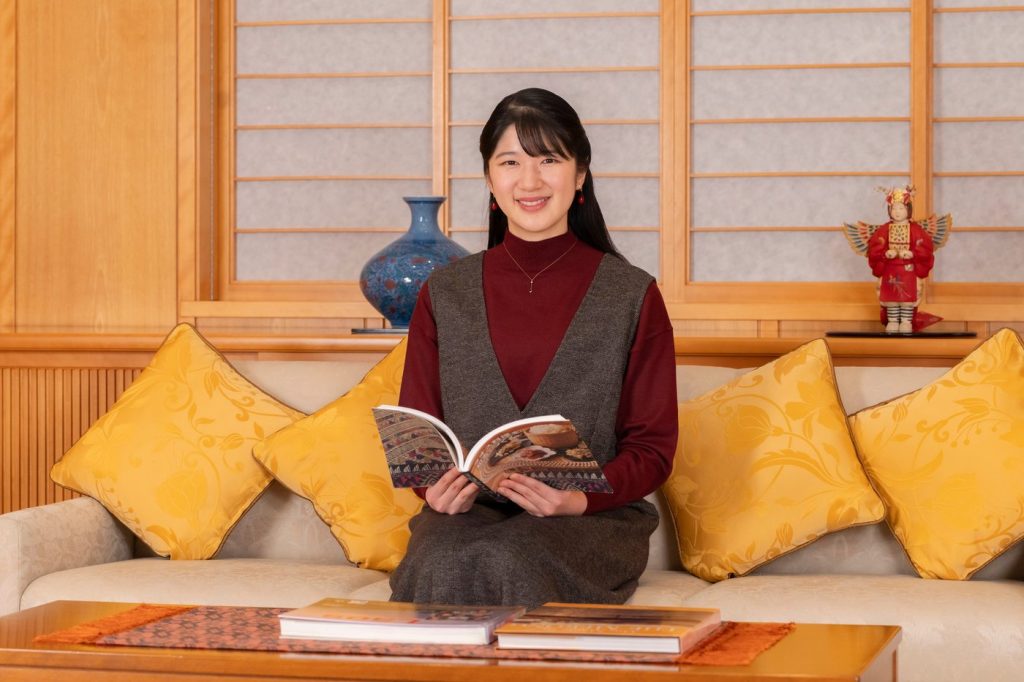
TOKYO (AP) — Japan's beloved Princess Aiko is often cheered like a pop star. During a recent visit to Nagasaki with Emperor Naruhito and Empress Masako, well-wishers along the roads directed enthusiastic cheers towards Aiko, overshadowing the greetings for her parents. As the princess turns 24 on Monday, there is a growing demand among her supporters to reform Japan's male-only succession law, which currently prohibits Aiko, the emperor's only child, from ascending to the throne.
The discussions on succession rules have stagnated, creating a sense of urgency among supporters, especially considering Japan's shrinking monarchy is on the brink of extinction. Currently, Naruhito's teenage nephew is the only eligible heir from the younger generation. Experts argue that the ban on female succession should be lifted to prevent the royal family from disappearing, but conservative lawmakers, including Prime Minister Sanae Takaichi, have voiced strong opposition against such changes.
Aiko's popularity has surged since she debuted as an adult royal in 2021, where she was admired for her intelligence, friendliness, and humor. Support for her potential role as a monarch increased significantly after her first solo overseas trip to Laos in November, where she met with top officials, visited cultural sites, and engaged with the local populace. This trip exemplified her commitment to carrying forward her father's mission of educating the younger generations about the tragedies of World War II.
Public admiration for Aiko is palpable, with individuals like 82-year-old atomic bombing survivor Setsuko Matsuo expressing their hopes for her crowning, praising her comforting smile. Mari Maehira, a 58-year-old office worker, expressed her desire to see Aiko ascend to the throne after witnessing her growth over the years. This grassroots enthusiasm has spurred calls for legislative changes. Cartoonist Yoshinori Kobayashi has even produced comic books advocating for Aiko’s right to the throne, which have been sent to parliamentarians to garner support for amending the law.
Social media campaigns have emerged, with individuals like Ikuko Yamazaki using platforms to argue for the succession rights of the emperor's first child, regardless of gender. Yamazaki believes that not allowing Aiko to become a successor reflects a broader societal issue regarding gender equality and advocates that a female monarch could significantly elevate women's status in Japan.
Aiko was born on December 1, 2001, and her birth was shadowed by controversy, as her mother, Empress Masako, faced severe criticism for not delivering a male heir, leading to a stress-induced condition from which she still suffers. Despite experiencing bullying in her youth and health challenges as a teenager, Aiko has demonstrated resilience and continues to fulfill her royal duties while also engaging in volunteer work with the Red Cross Society and enjoying sports on weekends.
The current structure of Japan's monarchy is troubling, as the 1947 Imperial House Law restricts succession to male heirs and mandates that female royals lose their status upon marrying commoners. With the number of members in the Imperial Family decreasing from 30 to just 16 over the past three decades, the prospect of a sustainable royal lineage appears dire. Currently, the only potential male heirs are Crown Prince Akishino, who is 60, and his 19-year-old son, Prince Hisahito. Prince Hitachi, the younger brother of former Emperor Akihito, is 90 years old.
There are growing concerns regarding the future of the monarchy and whether any plans can be implemented under the current succession system. Critics argue that the combination of the declining royal population and Japan's broader demographic issues place immense pressure on Hisahito, who will bear the responsibility of the Imperial Family's legacy. The long-standing male-only succession rule has faced calls for reform, with some commentators advocating for the inclusion of female heirs in a revised succession plan.
Japan has maintained its male-only succession tradition since the 1889 law, reinforced in the post-war 1947 framework. While Japan has historically seen eight female monarchs, the modern approach has largely ignored this history. A push for female succession in 2005 was quashed by the birth of Hisahito. Last year, a conservative panel advocated for preserving male-line succession while suggesting that female royals retain their status post-marriage, a proposal viewed as unrealistic by many experts.
In response to international pressure, including a recommendation from the United Nations women's rights committee, Japan dismissed concerns about the succession laws as regrettable, asserting that monarchial succession pertains to national identity. Critics argue that the insistence on male-only succession reflects societal ideals centered around male superiority and poses a fundamental challenge to gender equality in Japan.








