

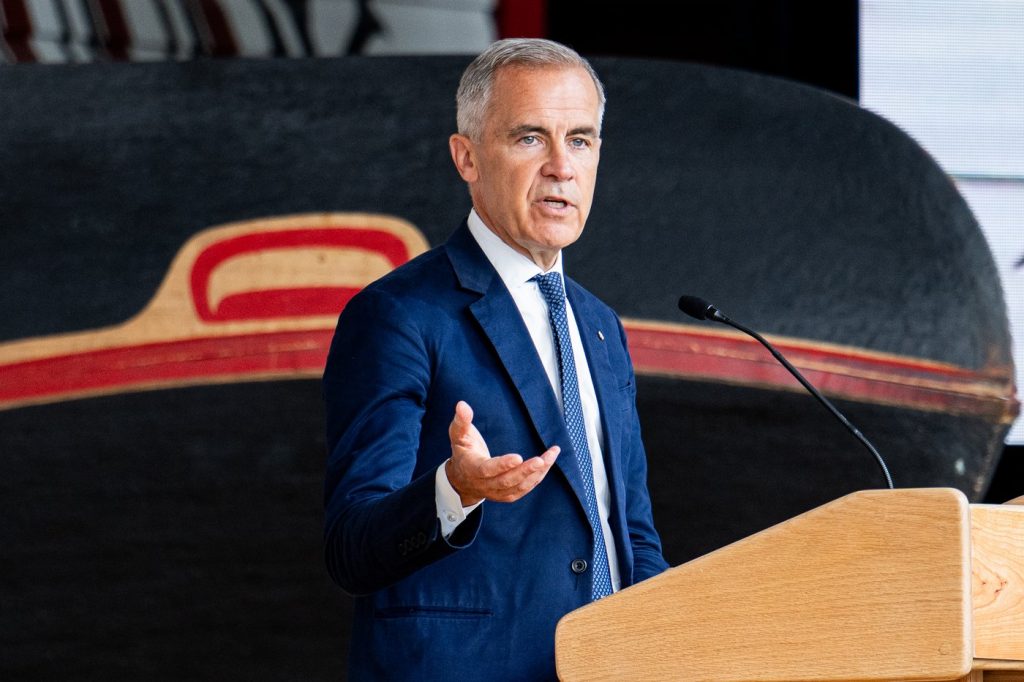
OTTAWA Prime Minister Mark Carney is set to address hundreds of First Nations chiefs convened in Ottawa for the December meeting of the Assembly of First Nations. This appearance comes at a potentially tense moment, following a controversial pipeline agreement signed by Ottawa with Alberta, which has drawn condemnation from certain First Nations leaders due to concerns over insufficient consultation and environmental risks.
Assembly of First Nations National Chief Cindy Woodhouse Nepinak stated, "Canada is at a crossroads in its relationship with First Nations." She emphasized that their rights are facing new threats, yet expressed confidence in the resilience of First Nations across Canada, asserting that they are stronger than ever.
Typically, Prime Ministers and their cabinets attend this December meeting to gauge the perspectives of First Nations leadership while addressing chiefs' questions and criticisms. This isn’t Carney’s first encounter; he previously hosted chiefs in Gatineau, Quebec, to discuss his government’s controversial major projects legislation in July.
Woodhouse Nepinak advised that Carney should arrive at the meeting prepared with firm commitments on issues important to the chiefs, particularly stressing the need for clean drinking water legislation, which failed to advance before the recent federal elections.
Throughout the three-day assembly, several prominent members of Carney’s cabinet will engage with the chiefs. Notable attendees include Crown-Indigenous Relations Minister Rebecca Alty, Finance Minister François-Philippe Champagne, Indigenous Services Minister Mandy Gull-Masty, National Defence Minister David McGuinty, and Energy and Natural Resources Minister Tim Hodgson.
Last week, Minister Hodgson faced criticism after making dismissive remarks regarding Coastal First Nations’ concerns about the lack of consultation prior to the pipeline agreement with Alberta. When questioned about Coastal First Nations President Marilyn Slett’s inability to travel to Vancouver for a meeting, Hodgson sarcastically remarked, “It’s called Zoom.” Following backlash, he apologized for his “poor choice of words” and extended an offer to meet with the First Nations "at their convenience.”
First Nations leaders have consistently criticized Carney’s government for what they perceive as a significant shift in the tone of the relationship established by former Prime Minister Justin Trudeau. Leaders have accused the government of crafting legislation affecting their rights without adequate consent or cooperation as it maneuvers to reshape the economy in response to U.S. President Donald Trump’s trade policies.
Woodhouse Nepinak acknowledged that while Canada faces “challenging times,” Carney will not achieve desired economic outcomes by sidelining First Nations in discussions. She firmly stated, “Canada can create all the MOUs, project offices and advisory groups it wants, but chiefs will be united—and are united—when it comes to the approval of projects on First Nations lands. There will be no getting around rights-holders.”
The assembly will also address several critical issues, including potential changes to the Indian Act and eligibility for First Nations status, the First Nations child welfare system, and the growing gap in infrastructure. The chiefs will pass resolutions that the Assembly of First Nations’ executive committee will strive to implement over time.
This report sheds light on the ongoing tensions and negotiations between the Canadian government and First Nations, emphasizing the importance of dialogue and cooperation in addressing the challenges faced by First Nations communities.








