

On January 5, 2021, a man was arrested for placing two pipe bombs outside the headquarters of the Republican and Democratic national parties in Washington, D.C. This arrest, announced by the Justice Department, came in the wake of the violent events that occurred the following day when supporters of then-President Donald Trump stormed the Capitol. The Trump administration was vocal in its commitment to hold individuals accountable for attacks on citizens and democratic institutions, yet there was a conspicuous silence from Justice Department leaders regarding the violence of January 6.
Critics argue that the Trump administration has been actively attempting to rewrite the narrative surrounding the Capitol riot. This includes actions such as pardoning participants of the insurrection and firing prosecutors who held individuals responsible for the violence. Michael Romano, a former prosecutor, noted that the administration’s approach seemed to downplay the brutality of the January 6 events, particularly as the rioters were Trump supporters attempting to overturn the 2020 presidential election results against the will of the voters.
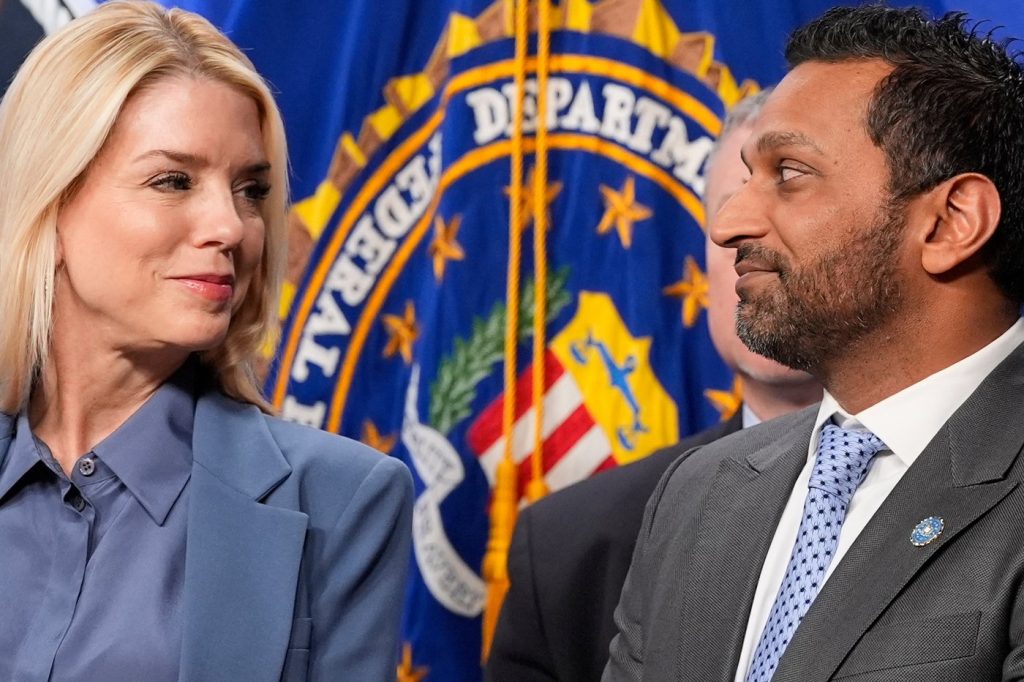
The White House directed inquiries to the Justice Department, which in turn referred questions to the FBI. However, there was no immediate response available from the bureau regarding the situation. Kash Patel, the FBI Director, emphasized that the arrest of suspect Brian Cole Jr., 30, aligned with Trump's commitment to ensuring the safety of the nation’s capital. He asserted, "When you attack American citizens ... you attack the very being of our way of life," and assured that the FBI and Department of Justice would combat such actions at all costs.
In a past interview, Patel's deputy, Dan Bongino, had described the investigation into the January 6 rioters as low priority, even labeling those involved as "political prisoners." Bongino had suggested that the pipe bombs incident might have been an "inside job." Despite this rhetoric, following his appointment to the FBI, he framed the investigation as a top priority, promising relentless pursuit of the individual responsible for the bombs. The arrest of Cole is viewed as a significant development in a case that had perplexed authorities for an extended period. Statements from Cole, made during questioning, indicated he believed in conspiracy theories surrounding the 2020 election, which Trump has falsely claimed was stolen from him.
Multiple election officials, including Trump's former attorney general, William Barr, have confirmed that there was no widespread fraud in the 2020 election. Republican governors in key states also affirmed the integrity of their election processes, and legal challenges from Trump and his associates were dismissed in court.
The tough-on-crime rhetoric observed during the announcement of Cole’s arrest appears to contradict the Republican administration’s ongoing effort to minimize the violence of January 6. Notably, Trump’s clemency actions on his first day back in the White House applied to over 1,500 individuals charged in connection with the Capitol attack, including those seen violently engaging with police. Reports indicated that more than 100 police officers were injured during the assault, with many officers expressing fear for their lives amid the chaotic scene.
Over the past year, the Justice Department has confronted internal pressures, having requested the names of FBI agents involved in the investigations of January 6. This has generated fear within the bureau, with concerns about potential mass firings looming over those agents. Several prosecutors who played critical roles in the January 6 cases have faced dismissal or demotion under the Trump administration. A striking instance of this restructuring involved two federal prosecutors being placed on leave after they questioned the portrayal of January 6 offenders in court filings.
Numerous defendants charged with assaulting police officers during the Capitol riot have benefitted from Trump’s pardons. These included individuals accused of launching explosives at officers, who reported feeling their lives were in severe jeopardy during the melee. Ultimately, the arrest of the pipe bomb suspect marks a complex intersection of criminal investigation, political accountability, and ongoing debates about the nature of justice in America.








