

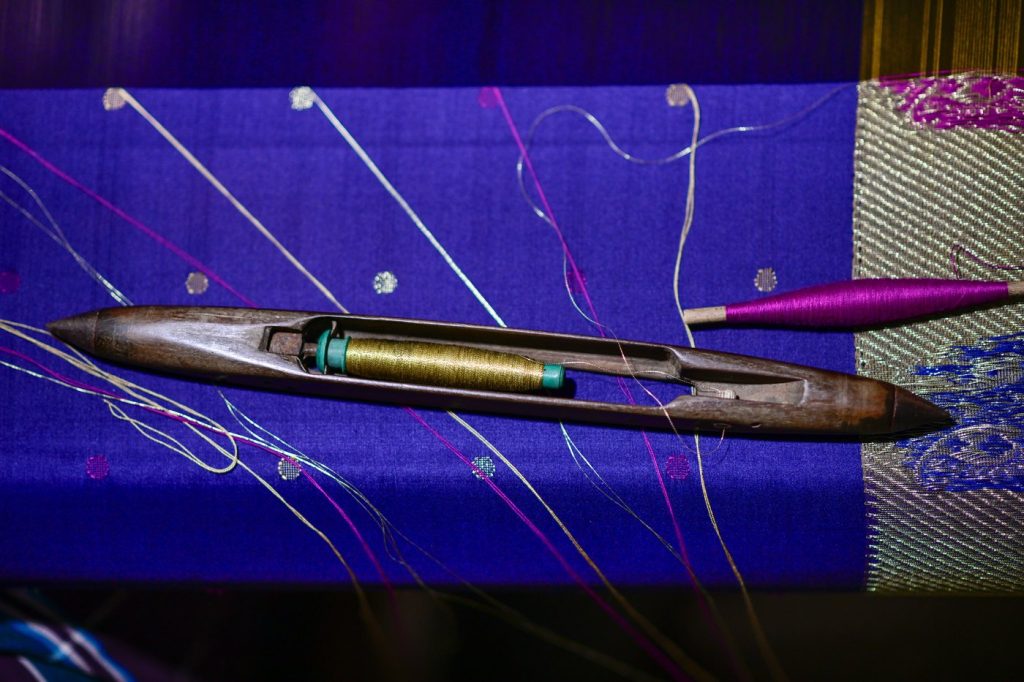
TANGAIL, Bangladesh (AP) - The weavers' neighborhood near Dhaka resonates with the continuous sound of looms and the rhythmic hand movements of artisans utilizing vibrant silk and cotton threads to create the iconic Tangail saree. This handloom saree derives its name from the Tangail district in central Bangladesh, which hosts numerous weaver families. Recognized as a cultural symbol, the saree is prominently displayed during festivals and wedding celebrations throughout the Indian subcontinent.
The art of saree weaving in Tangail, a tradition spanning centuries, was nominated this year for inclusion in UNESCO's list of Intangible Cultural Heritage of Humanity. Each garment reflects a harmonious blend of tradition and craftsmanship, featuring aesthetic designs and intricate motifs deeply rooted in local culture. Typically, men engage in dyeing the yarn, weaving the fabric, and crafting designs on the looms, while women assist by spinning threads on traditional wheels.
The Tangail saree serves not only as a cultural emblem but also as a vital source of livelihood for hundreds of weaver families in the region. However, the community faces challenges such as rising raw material costs and stiff competition from affordable, machine-woven alternatives. This situation has resulted in a diminishing interest among younger generations to uphold the family vocation of handloom weaving.
Handloom weavers in Tangail are hopeful that the recognition and heritage status bestowed by UNESCO will play a crucial role in preserving their craft for future generations. The community is striving to sustain this time-honored tradition amidst modern challenges.
This report accompanies a photo gallery curated by AP photo editors, featuring a collection of images captured by Mahmud Hossain Opu. The images include artisans engaged in various stages of the saree-making process, from operating traditional handlooms to spinning threads on wheels. Other photographs depict the bustling atmosphere of a weekly wholesale market in Tangail District, where Tangail sarees are showcased and sold. The gallery offers a visual representation of the dedication and skill of the weavers while highlighting the cultural importance of the Tangail saree.
In the images, viewers can see a shuttle holding the weft thread on a hand-operated loom, artisans carefully crafting sarees, and vibrant threads being arranged. The gallery also captures the interaction between customers and shopkeepers in a wholesale market, emphasizing the ongoing demand for these traditional garments. It portrays the rich legacy of the Tangail saree and the community's determination to keep this heritage alive despite facing numerous challenges.








