

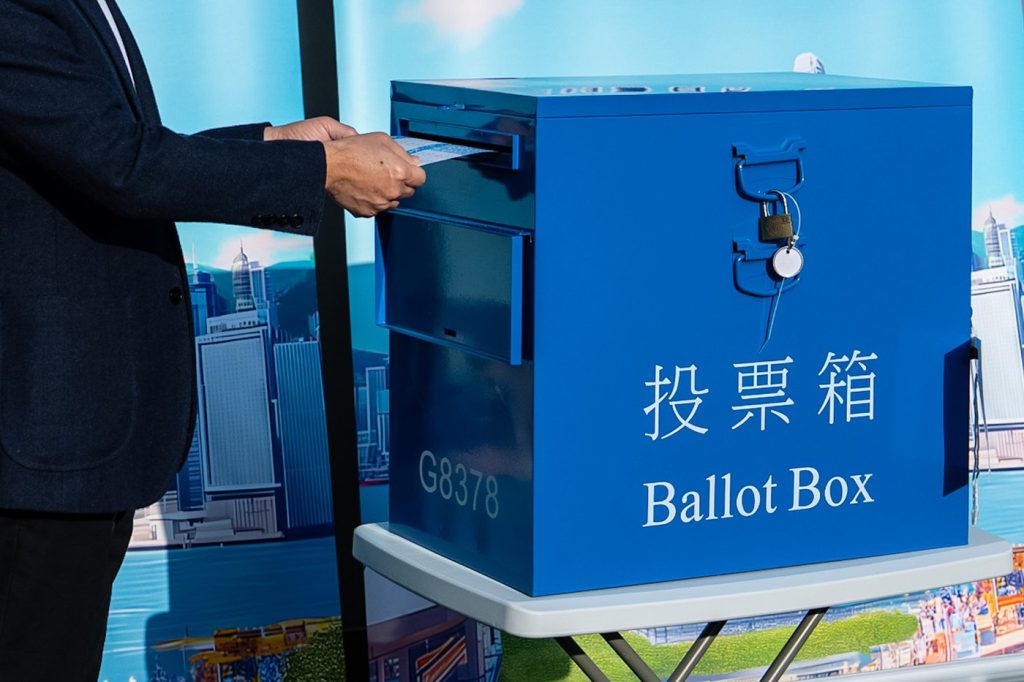
HONG KONG (AP) - On Sunday, Hong Kong voters are participating in their second legislative election since a significant overhaul of the electoral system in 2021 that effectively eliminated the pro-democracy opposition in the region. This election occurs shortly after a devastating apartment fire that resulted in the deaths of at least 159 individuals, prompting questions regarding the government’s response and accountability.
The upcoming election is being viewed as a potential metric of public sentiment regarding the government’s handling of recent events. Voter turnout is a key focus, particularly following the steep decline to approximately 30% in the last 2021 election, which was largely attributed to the overhaul's effects on public interest. Analysts are expressing concerns that rising public anger over the government’s accountability for the fire could further suppress voter turnout this time.
City leader John Lee has urged citizens to cast their votes, stating that participation would signal support for ongoing reforms. He indicated plans to propose measures in the new legislature aimed at assisting the victims of the fire, many of whom are currently homeless.
The polls are set to close at 11:30 p.m. Local campaigning saw a suspension following the tragic fire, leading to a more subdued atmosphere in the closing days of the election process as a mark of respect for the victims. Prior to the incident, government efforts to elevate voter turnout—seen as an indicator of support for the new electoral system—were in full swing. These included candidate forums, extended voting hours, additional polling stations, and assistance for seniors and disabled individuals, alongside promotional materials prominently displayed throughout the city.
However, there have been reports of authorities arresting individuals for allegedly posting content that incited others against voting or casting invalid ballots. The recent fire, the deadliest in Hong Kong in decades, has raised serious questions regarding government oversight and possible corruption in building maintenance projects, with the 1980s-era apartment complex undergoing renovations at the time of the incident.
In the context of the election, John Lee argued that proceeding with the vote rather than postponing it better served the needs of recovery in response to the fire. He emphasized the collective pain experienced by the community as a result of the tragedy, noting that the Legislative Council would work alongside the government to propose reforms and enhance oversight.
Under the current electoral framework, candidates are mandated to demonstrate loyalty to Beijing. Many of the city's 4.1 million eligible voters, particularly those who support democracy, have distanced themselves from political engagement following a crackdown on dissent that arose in the wake of massive anti-government protests in 2019. Previously, the Legislative Council had a total of 70 members, with only half elected by the general populace; this number has now been reduced to 20 out of a total of 90 seats. The remaining seats are chosen by a pro-Beijing election committee and various industry representatives, with candidate vetting ensuring alignment with Beijing's mandates.
Observers believe that the candidate listings reflect Beijing’s desire for lawmakers who closely align with its agenda, indicating a tightening grip on its trusted supporters. John Lee has defended recent personnel changes, insisting they are normal during an election and criticizing efforts to distort the narrative surrounding the electoral system.
John Burns, an honorary professor at the University of Hong Kong, suggested that a decline in voter turnout could signify that even some of the government’s supporters are choosing to stay away from the polls. While some voters may wish to demonstrate support for the government’s response to the fire, others may be deterred by the high death toll and reports of systemic issues within the building maintenance sector. Overall, the election results may reflect a broader sentiment among the populace regarding governmental trust and accountability.
As the election draws to a close, the developments surrounding voter participation, public sentiment, and government accountability remain critical points of observation.








