

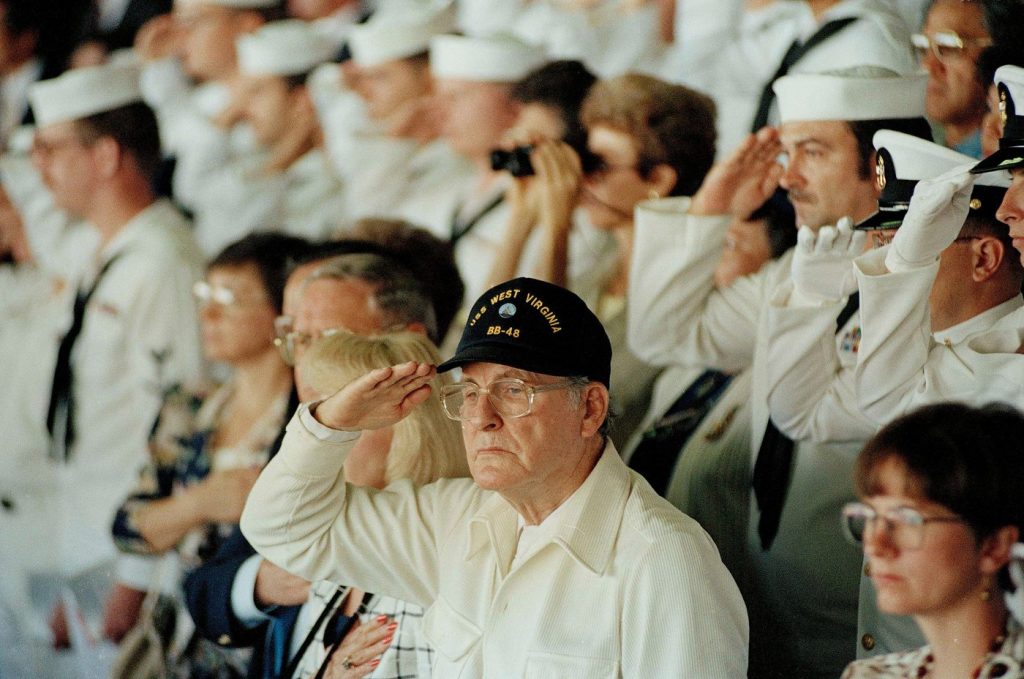
HONOLULU (AP) — Survivors of the 1941 Japanese bombing of Pearl Harbor have traditionally been the focal point of annual remembrance ceremonies held at the military base's waterfront. However, this year marks a poignant shift in the commemorations, as none of the surviving members are able to attend. Currently, only 12 survivors remain, all of whom are centenarians, but none can make the pilgrimage to Hawaii for the event scheduled on Sunday.
The absence of firsthand accounts from those who experienced the attack is a significant development, especially given that the bombing claimed the lives of more than 2,300 troops and propelled the United States into World War II. Many feel a deep sense of loss as the attendance of survivors has been increasingly declining over the years. Kimberlee Heinrichs, whose 105-year-old father, Ira "Ike" Schab, had to cancel his plans to attend due to illness, expressed her heartbreak over the ceremony's changing nature.
In recent memory, survivors have attended the annual observance except for in 2020 when the Navy and National Park Service closed the event to the public due to health risks associated with the coronavirus pandemic. The ceremony itself remains unchanged, beginning with a moment of silence at 7:55 a.m., the same time the attack commenced on December 7, 1941. Following this somber reflection, solemn rituals ensue, including fighter jets flying overhead in a "missing man formation" and active duty troops presenting wreaths to honor the fallen.
Historically, around 2,000 survivors participated in the 50th anniversary event in 1991, while only a handful have attended in more recent years, with just two present at last year’s event. The observations have become less about sharing memories directly from those who witnessed the attack and more about remembrance through the lens of those who are left behind, as many survivors wish to honor their late comrades and fallen friends.
Harry Chandler, who recounted the chaos of the attack while raising the flag at a mobile hospital, vividly remembered witnessing the USS Arizona explode and hearing trapped sailors desperately tap for help on the upside-down hull of the USS Oklahoma. His recollections are poignant reminders of the harrowing experiences that shaped the war. Unfortunately, Chandler passed away in 2024 at a senior living facility in Florida, further emphasizing the urgency of documenting these stories before the remaining survivors pass away.
Historian Emily S. Rosenberg noted that interpretations of the bombing's significance vary widely, from emphasizing the necessity for a well-prepared military to critiquing the foreign policy failures of the time. Survivors like Lou Conter, who was the last living survivor of the USS Arizona until his death last year at age 102, attended ceremonies not only to remember those who perished but also to honor their legacy.
As the population of survivors diminishes, increasing efforts are being made to document their stories for future generations. Daniel Martinez, a retired National Park Service historian, has recorded nearly 800 interviews with Pearl Harbor survivors, recognizing the critical need to preserve firsthand accounts of the attack that altered the course of history. The Library of Congress has also collected accounts from 535 survivors, with extensive documentation available online as part of its Veterans History Project.
Additionally, the Sons and Daughters of Pearl Harbor Survivors are working to keep the memories alive, actively participating in educational outreach and community events. The California chapter has recently welcomed new members, including descendants of the survivors, emphasizing the commitment to sharing these important historical narratives.
As the annual ceremony approaches, the absence of survivors serves as a reminder of the enduring impact of Pearl Harbor in American memory and history. The efforts to commemorate those who lived through that day continue in various forms, fostering a legacy of remembrance and education about the sacrifices made during World War II.








