

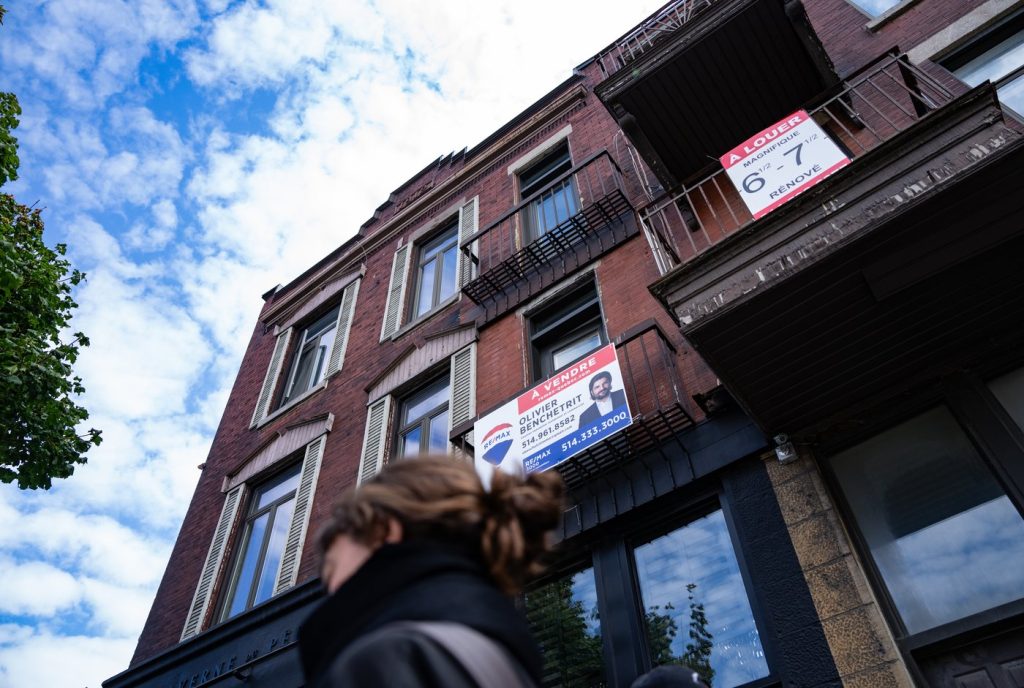
In November 2025, the average asking rents across Canada decreased by 3.1 percent compared to the previous year, settling at an average of $2,074. This decline marks the 14th consecutive month of annual drops in rental prices. According to the latest monthly report released by Rentals.ca and Urbanation, there was also a significant month-over-month decrease of 1.5 percent, representing the largest drop recorded in 2025.
When analyzing different types of rental properties, purpose-built apartment rents were down 2 percent year-over-year, averaging $2,060. In contrast, asking rents for condominium apartments saw a more considerable decline of 3.7 percent year-over-year, bringing the average to $2,157. These statistics underscore a broader trend of diminishing rental prices within the Canadian housing market.
On a provincial level, the report highlighted that rents experienced declines in nearly every region of Canada, with the exceptions being Saskatchewan and Nova Scotia. The most significant decreases were noted in British Columbia, which saw a 6.4 percent drop, followed by Alberta with a 4.3 percent decrease, and Ontario with a reduction of 3.5 percent. These numbers reflect regional variations in the rental market and suggest uneven supply and demand dynamics across the country.
Despite the current downward trend, the report indicates that average rents remain 3.4 percent higher than they were three years ago. This statistic suggests that while recent declines are momentous, the overall market is still elevated compared to pre-2023 levels, indicating a lasting impact from earlier rental price growth. Urbanation President Shaun Hildebrand expressed expectations for continued declining rental prices in the upcoming months, primarily due to a typical seasonal slowdown paired with a reduction in demand driven by slower population growth and ongoing economic uncertainties.
The ongoing developments in Canada's rental market are crucial for potential renters and landlords alike, offering insights into market conditions that could influence decision-making in the short term. As renters navigate these changing dynamics, understanding the factors contributing to these price shifts will be vital for making informed choices regarding housing options.
Overall, the current landscape of asking rents in Canada showcases a significant decrease across various property types and regions, reflecting broader economic trends. The challenges linked to housing affordability and availability remain pertinent issues as stakeholders in the market anticipate how these trends will evolve moving forward.








